
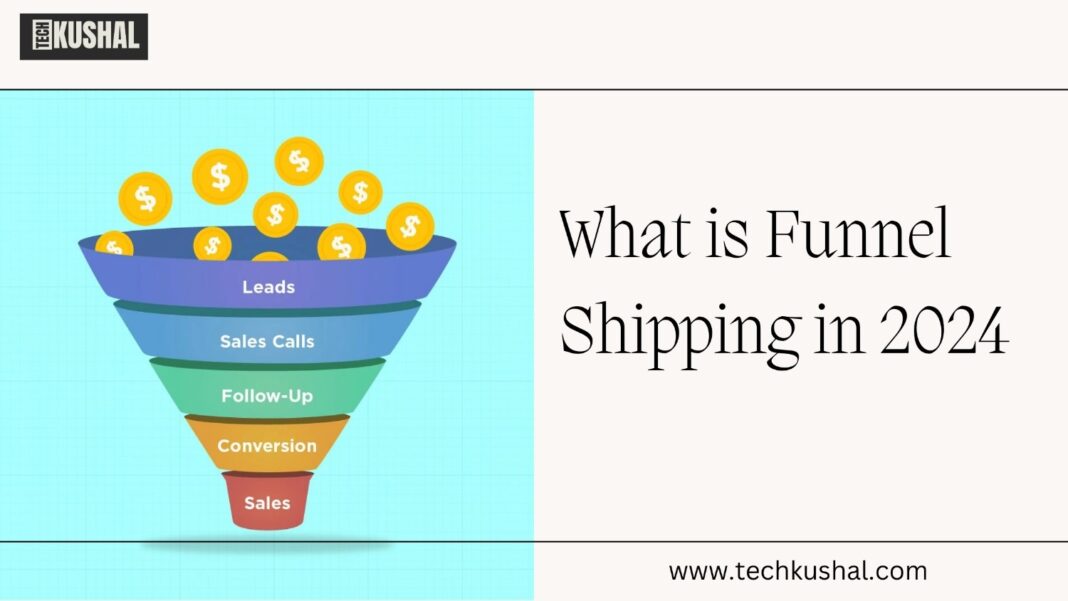
What is Funnel Shipping in 2024, In the evolving landscape of e-commerce and digital marketing, funnel shipping has emerged as one of the most critical strategies for businesses in 2024. With the demand for fast, seamless, and customer-centric shopping experiences continuing to rise, funnel shipping aims to integrate shipping processes directly into the sales funnel, optimizing the journey from product discovery to delivery. This concept is gaining traction because it not only maximizes conversions but also enhances customer satisfaction, a key factor in driving business growth in today’s competitive market.
Read More: The Remarkable Journey of Gopi Thotakura: India’s First Space Tourist in 2024
Understanding Funnel Shipping in the Modern E-commerce World
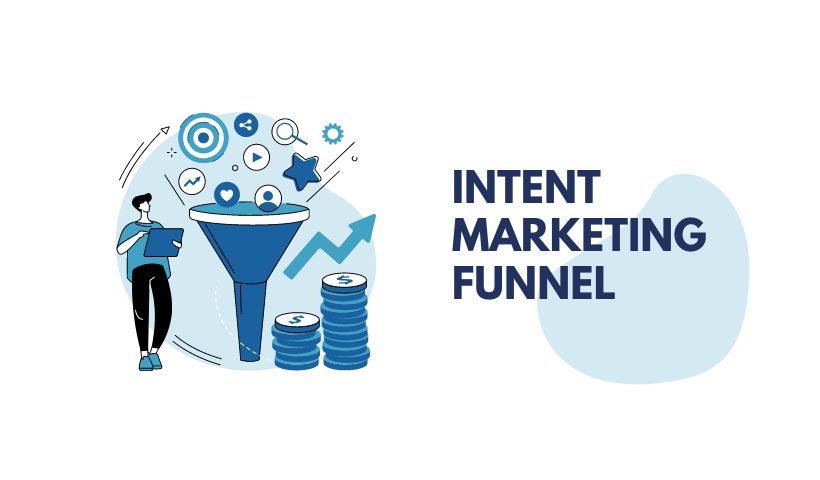
In traditional e-commerce, the sales funnel focuses on guiding customers through various stages—from awareness and interest to decision and purchase. Shipping, on the other hand, has always been a logistical process that occurs after the customer has completed their purchase. However, funnel shipping takes a more holistic approach, blending these two distinct processes into one seamless experience. It views the shipping phase as a critical part of the sales funnel, ensuring that after a customer makes a purchase, their experience continues to be optimized through transparent and efficient delivery services.
In simple terms, funnel shipping ensures that the post-purchase process is an extension of the sales funnel. The goal is to reduce friction, offer transparency, and even create additional opportunities for revenue, such as upselling, throughout the shipping process.
The Key Components of Funnel Shipping in 2024
The year 2024 has seen significant technological advancements and a shift in consumer expectations, both of which have influenced the rise of funnel shipping. Below are the core components that define this approach:
1. Real-Time Shipping and Fulfillment Optimization
In 2024, the expectation for faster deliveries has become the norm. As a result, businesses must integrate their shipping logistics directly into their sales funnels. Real-time inventory management and predictive analytics are now used to optimize fulfillment. For example, AI-driven systems can suggest the fastest delivery methods based on a customer’s location and the product’s warehouse availability. This predictive shipping model ensures that the moment a customer completes their purchase, the shipping process is already being optimized for speed.
Furthermore, companies are strategically locating warehouses and using third-party logistics (3PL) partners to minimize shipping times. Whether offering same-day delivery or reliable next-day shipping, businesses can now meet or exceed customer expectations more easily.
2. Transparent Communication Throughout the Shipping Process
Incorporating real-time communication within the sales funnel is one of the hallmarks of funnel shipping. Consumers now expect continuous updates about their order status from the moment they place their order until it arrives at their door. By integrating automated notifications—such as shipping confirmations, tracking updates, and estimated delivery windows—companies can keep customers informed every step of the way.
Transparency builds trust, which is crucial for enhancing customer experience. Providing accurate delivery estimates before the purchase can reduce cart abandonment rates, while post-purchase updates help ensure the customer feels confident in their decision.
3. Post-Purchase Upselling and Cross-Selling Opportunities
One of the most overlooked aspects of the shipping process is its potential for post-purchase marketing. Funnel shipping enables businesses to take advantage of the shipping window by presenting additional upsell or cross-sell opportunities. For example, customers can receive personalized product recommendations or special offers while awaiting their package, which can significantly boost customer lifetime value (CLV).
Offering relevant add-ons or complementary products immediately after a purchase, through email or mobile notifications, can increase revenue. This approach not only deepens customer engagement but also capitalizes on the post-purchase excitement, turning it into additional sales.
4. Sustainable and Environmentally Friendly Shipping
The modern consumer is increasingly environmentally conscious, and sustainable shipping has become a growing concern in 2024. Funnel shipping incorporates eco-friendly practices by providing customers with green shipping options, such as choosing carbon-neutral delivery or using recyclable packaging.
Companies that prioritize sustainability in their shipping methods tend to build stronger brand loyalty with customers who value environmentally responsible businesses. By highlighting these initiatives within the funnel, businesses can also differentiate themselves from competitors.
5. Automation and Artificial Intelligence in Shipping Logistics
The backbone of funnel shipping in 2024 is automation and artificial intelligence (AI). Automation tools now handle every aspect of the fulfillment process, from inventory management to order picking and packing. AI-driven systems help businesses forecast demand, optimize stock levels, and ensure that shipping costs are minimized.
For example, AI can dynamically adjust shipping fees based on customer preferences, distance, and warehouse stock. Automated shipping solutions also reduce human error, ensuring that orders are accurate and dispatched without delay.
These technologies also allow for faster shipping options like drone deliveries, which are becoming more common in urban areas. With AI managing the logistics, companies can significantly enhance their delivery speed and accuracy, further refining the funnel shipping process.
6. Enhancing Customer Satisfaction Through Personalization
Personalization is at the heart of funnel shipping in 2024. As businesses continue to gather data on customer preferences and behavior, they can use this information to create more tailored shipping experiences. For instance, returning customers might receive loyalty perks such as free expedited shipping or exclusive delivery upgrades.
Moreover, offering customers personalized delivery options—such as choosing specific time slots or delivery locations—enhances their overall satisfaction. A personalized shipping experience keeps customers engaged and increases the likelihood of repeat purchases.
How Funnel Shipping Reduces Cart Abandonment and Improves Conversions

One of the main reasons customers abandon their carts is due to unexpected shipping costs or ambiguous delivery timelines. Funnel shipping tackles this problem head-on by providing complete transparency early in the purchase journey. By displaying accurate shipping information, including costs and delivery estimates, upfront, businesses can reduce cart abandonment significantly.
Additionally, incorporating a well-defined and efficient shipping process into the funnel ensures that customers who are hesitant about delivery times or logistics can proceed with confidence. This transparency not only improves conversion rates but also enhances overall customer experience.
The Future of Funnel Shipping

As e-commerce continues to evolve, funnel shipping will become an even more integral part of digital marketing strategies. Companies will continue to refine their shipping logistics to meet the growing demand for fast, reliable, and transparent delivery services. Drones, autonomous vehicles, and AI-driven fulfillment centers will likely play even larger roles in the years ahead, making same-day and hyper-local deliveries more accessible.
Moreover, as sustainability becomes a key focus, businesses will look for innovative ways to combine eco-friendly practices with cost-effective and efficient shipping methods. Customers will increasingly seek out brands that offer responsible shipping options, further driving the adoption of funnel shipping.
Conclusion
Funnel shipping in 2024 is not just about getting products to customers quickly—it’s about integrating the shipping process into the entire customer journey, enhancing transparency, personalization, and engagement at every stage. By optimizing the shipping phase within the sales funnel, businesses can reduce cart abandonment, boost conversion rates, and create additional opportunities for post-purchase marketing. As consumer expectations continue to rise, funnel shipping will play an essential role in helping businesses thrive in the competitive e-commerce space.
Funnel Shipping in 2024: FAQs
1. What is Funnel Shipping?
Funnel shipping refers to the integration of the shipping process into the sales funnel, creating a seamless experience from product discovery to delivery. It emphasizes optimizing the post-purchase phase, ensuring that shipping enhances customer satisfaction and provides opportunities for further engagement, such as upselling and personalized offers.
2. How does Funnel Shipping improve the customer experience?
Funnel shipping ensures real-time tracking, transparent communication, and personalized delivery options, keeping customers informed throughout the shipping process. By providing fast, reliable, and customizable shipping experiences, customers feel more satisfied and are more likely to make repeat purchases.
3. Why is shipping transparency important in Funnel Shipping?
Shipping transparency helps build trust with customers by offering clear information about shipping costs, delivery times, and tracking details. It reduces cart abandonment caused by unexpected fees or long delivery estimates and reassures customers that their order is being handled properly.
4. How does Funnel Shipping help reduce cart abandonment?
Funnel shipping reduces cart abandonment by presenting accurate shipping information early in the sales funnel. When customers have clear expectations of costs and delivery times, they are more likely to complete the purchase, leading to higher conversion rates.
5. Can Funnel Shipping increase revenue?
Yes, funnel shipping offers post-purchase upselling and cross-selling opportunities by presenting related products or services while customers await delivery. Businesses can use this time to offer personalized deals or loyalty perks, increasing customer lifetime value (CLV) and boosting revenue.
6. What technologies are involved in Funnel Shipping?
Funnel shipping leverages automation, AI, real-time inventory management, and predictive analytics to optimize fulfillment processes. These technologies help improve shipping speed, accuracy, and cost-efficiency, while offering a more personalized experience for customers.
7. How does AI improve Funnel Shipping?
AI helps businesses optimize shipping routes, forecast demand, and personalize delivery experiences. It automates various logistical tasks, ensuring faster and more accurate fulfillment, while also providing customers with tailored delivery options based on their preferences and location.
8. Is sustainability part of Funnel Shipping?
Yes, sustainability is a growing aspect of funnel shipping. Businesses are increasingly adopting eco-friendly practices such as carbon-neutral deliveries, recyclable packaging, and offering green shipping options, which appeal to environmentally-conscious consumers and boost brand loyalty.
9. What are the future trends in Funnel Shipping?
Future trends in funnel shipping include the increased use of drones, autonomous vehicles, and AI-driven fulfillment centers to further reduce delivery times and costs. There will also be a continued focus on sustainability and personalization to meet evolving customer expectations.
10. How does Funnel Shipping help businesses stay competitive?
By integrating shipping into the sales funnel, businesses can offer a superior customer experience, reduce friction in the purchase journey, and improve overall satisfaction. Funnel shipping allows businesses to meet rising consumer demands for fast, reliable, and personalized shipping services, giving them a competitive edge in the e-commerce landscape.


