


Top 5 Low-Cost Business Ideas, Starting a business can be an exciting and rewarding venture, but it often comes with significant financial risks. Fortunately, there are several business ideas that require low initial investment yet have the potential for high returns. As we head into 2024, here are the top five low-cost business ideas that you can consider to maximize your profitability.
Read More: How to Delete Your Instagram Account: A Comprehensive Guide 2024
1. Freelance Digital Marketing Services
In today’s digital age, every business needs a robust online presence. Many small to medium-sized enterprises (SMEs) lack the expertise or resources to manage digital marketing in-house. This gap creates a lucrative opportunity for freelance digital marketers.
Why It’s Profitable: The initial investment is minimal, often limited to a laptop and internet connection. With a solid understanding of social media marketing, search engine optimization (SEO), email marketing, and content creation, you can offer comprehensive digital marketing services. As your portfolio grows, you can charge premium rates, potentially earning thousands of dollars per month from just a handful of clients.
How to Start: Begin by taking free or low-cost courses to enhance your digital marketing skills. Create a portfolio showcasing your skills by offering free services to friends, family, or local businesses. Once you have a few successes under your belt, market your services on platforms like Upwork, Fiverr, or LinkedIn.
2. Dropshipping Business

Dropshipping is a retail fulfillment method where you don’t keep products in stock. Instead, you purchase products from a third-party supplier who ships them directly to your customers. This business model eliminates the need for large inventory investments, making it an attractive low-cost business idea.
Why It’s Profitable: The startup cost is low because you don’t need to invest in inventory. With a well-targeted niche and effective marketing, dropshipping can yield high returns. You also have the flexibility to scale your business without the overhead costs associated with traditional retail.
How to Start: Identify a niche market with a high demand but low competition. Set up an online store using platforms like Shopify or WooCommerce, and partner with reliable suppliers from platforms like AliExpress or Oberlo. Focus on creating high-quality product listings and invest in digital marketing to drive traffic to your store.
3. Content Creation and Monetization
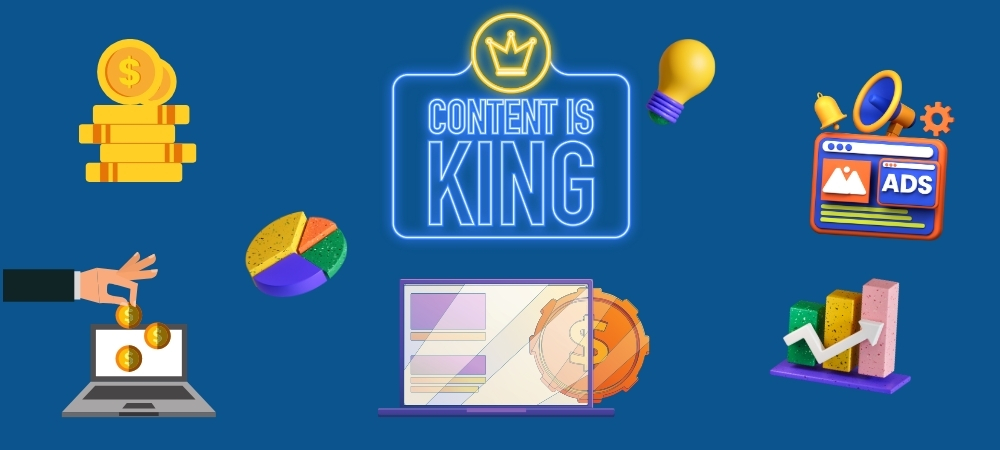
With the surge of digital content consumption, becoming a content creator can be a highly profitable business. Whether through blogging, YouTube, podcasting, or social media, high-quality content can attract a large audience and generate significant revenue through ads, sponsorships, affiliate marketing, and merchandise sales.
Why It’s Profitable: The initial investment is relatively low, particularly if you start with equipment you already own, like a smartphone or laptop. As your audience grows, so do your monetization opportunities. Successful content creators can earn substantial income through multiple revenue streams.
How to Start: Choose a niche you are passionate about and that has a sizable audience. Create high-quality, engaging content consistently. Promote your content across different platforms to grow your audience. As you build a following, explore monetization options like YouTube Partner Program, affiliate marketing, and sponsored content.
4. Online Tutoring and Coaching

The demand for online learning has skyrocketed, making online tutoring and coaching a highly viable business option. Whether it’s academic tutoring, language lessons, music classes, or professional coaching, there are countless opportunities to share your expertise and make money.
Why It’s Profitable: You can start with virtually no upfront costs, especially if you use free video conferencing tools like Zoom or Google Meet. With the right expertise, online tutoring can be highly lucrative, and you have the flexibility to set your rates and schedule.
How to Start: Identify your area of expertise and target audience. Create a profile on online tutoring platforms like VIPKid, Chegg Tutors, or Preply, or start your own website. Market your services through social media and word of mouth, and build a strong reputation with positive reviews and testimonials.
5. Print-on-Demand Business
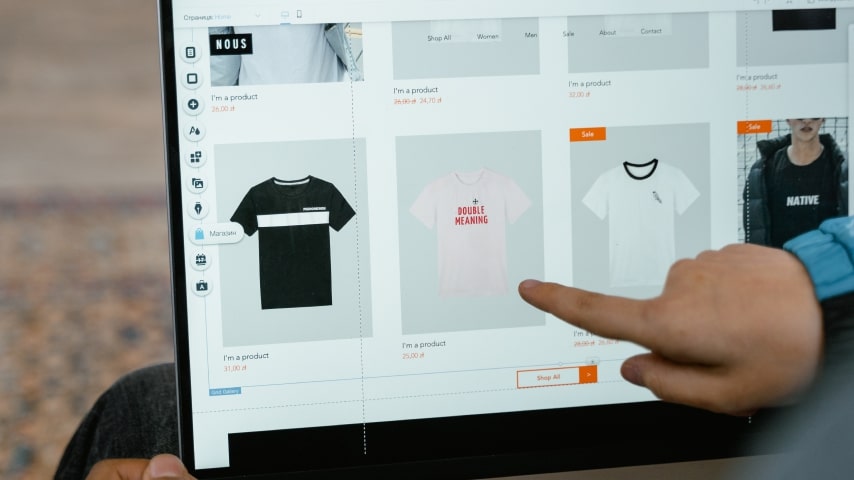
Print-on-demand (POD) is an ecommerce model where products are only printed after an order is placed, minimizing inventory costs and reducing financial risk. From t-shirts and hoodies to mugs and posters, POD allows you to sell custom-designed merchandise with minimal upfront investment.
Why It’s Profitable: Like dropshipping, the primary cost is marketing. Since you don’t need to pre-purchase inventory, you only pay for products once they are sold. With unique designs and effective marketing, you can build a strong brand and customer base, leading to high returns.
How to Start: Choose a niche and create unique designs that cater to your target audience. Use platforms like Printful, Printify, or Teespring to set up your online store and integrate with Shopify or Etsy. Focus on social media marketing and influencer partnerships to drive traffic to your store.
Conclusion
In 2024, there are numerous low-cost business opportunities that can lead to high returns. Whether you choose to leverage your digital marketing skills, start a dropshipping or print-on-demand store, create engaging content, or offer online tutoring services, each of these ideas provides a pathway to profitability with minimal upfront investment. The key to success is to choose a business that aligns with your skills and interests, stay committed, and continuously adapt to the market’s evolving demands.
Here are some Frequently Asked Questions (FAQs) related to the article on “Top 5 Low-Cost Business Ideas That Can Lead to High Returns in 2024”:
1. What are the key factors to consider before starting a low-cost business?
Before starting a low-cost business, consider the following factors:
- Market Demand: Ensure there is a demand for your product or service.
- Skills and Expertise: Leverage your existing skills or be prepared to learn new ones.
- Initial Investment: Understand the startup costs and ensure they align with your budget.
- Time Commitment: Assess how much time you can dedicate to the business.
- Scalability: Choose a business model that allows for growth without significant increases in overhead.
2. How do I choose the best business idea for me?
To choose the best business idea:
- Assess Your Interests and Skills: Opt for a business that aligns with your passions and expertise.
- Research Market Trends: Look for emerging trends and gaps in the market.
- Evaluate Profit Potential: Consider the potential for high returns and recurring revenue.
- Consider Time and Effort: Ensure the business model suits your lifestyle and availability.
3. How much money do I need to start a low-cost business?
The amount of money needed to start a low-cost business varies depending on the model you choose. For most of the ideas mentioned:
- Freelance Digital Marketing Services: $0 to $500 (mainly for a laptop, software, and internet access).
- Dropshipping Business: $100 to $500 (mainly for website setup and marketing).
- Content Creation and Monetization: $0 to $300 (depending on the equipment and platform subscriptions).
- Online Tutoring and Coaching: $0 to $200 (for a good webcam, microphone, and marketing).
- Print-on-Demand Business: $0 to $100 (website setup and marketing).
4. Do I need any special skills or qualifications to start these businesses?
Most low-cost business ideas require basic skills that can be self-taught:
- Freelance Digital Marketing: Basic knowledge of SEO, social media, and content creation.
- Dropshipping: Understanding of ecommerce platforms, niche research, and digital marketing.
- Content Creation: Creative skills in writing, video editing, or graphic design.
- Online Tutoring and Coaching: Expertise in the subject you wish to teach or coach.
- Print-on-Demand: Basic graphic design skills or the ability to hire a designer.
5. How can I market my low-cost business effectively?
Effective marketing strategies for low-cost businesses include:
- Social Media Marketing: Use platforms like Instagram, Facebook, and LinkedIn to reach your audience.
- Content Marketing: Create valuable content to attract and engage customers.
- Email Marketing: Build an email list to communicate directly with potential customers.
- Influencer Partnerships: Collaborate with influencers in your niche to expand your reach.
- SEO and Blogging: Optimize your website and create blog content to drive organic traffic.
6. Can these businesses be started part-time?
Yes, all the mentioned business ideas can be started part-time. This flexibility allows you to maintain a full-time job or manage other commitments while growing your business. However, be prepared to dedicate time regularly to ensure steady progress and success.
7. How long does it take to see returns from these businesses?
The time to see returns varies based on the business model and effort invested:
- Freelance Digital Marketing: 1 to 3 months, depending on client acquisition.
- Dropshipping Business: 3 to 6 months, factoring in website setup, product sourcing, and marketing.
- Content Creation and Monetization: 6 to 12 months, as building an audience takes time.
- Online Tutoring and Coaching: 1 to 3 months, depending on client acquisition and scheduling.
- Print-on-Demand Business: 3 to 6 months, depending on design creation and marketing efforts.
8. What are the risks associated with these low-cost business ideas?
Some common risks include:
- Market Saturation: High competition in popular niches can make it harder to stand out.
- Inconsistent Income: Freelance and ecommerce businesses can have fluctuating income.
- Dependence on Platforms: Businesses like dropshipping and print-on-demand rely on third-party platforms, which may change policies or fees.
- Learning Curve: There may be a learning curve associated with acquiring new skills or mastering a platform.
9. How can I scale these businesses over time?
To scale your business:
- Freelance Digital Marketing: Hire subcontractors or expand into an agency model.
- Dropshipping Business: Increase product offerings and optimize your supply chain.
- Content Creation and Monetization: Expand into new content formats or platforms and explore additional revenue streams.
- Online Tutoring and Coaching: Develop group classes or online courses to reach a larger audience.
- Print-on-Demand Business: Expand product lines and invest in more aggressive marketing campaigns.
10. Are there any legal considerations I should be aware of?
Yes, there are legal considerations for any business:
- Register Your Business: Depending on your location, you may need to register your business and obtain necessary licenses.
- Understand Tax Obligations: Keep track of your earnings and expenses for tax purposes.
- Comply with Online Regulations: Ensure compliance with online advertising laws, copyright laws, and privacy regulations, especially if handling customer data.


