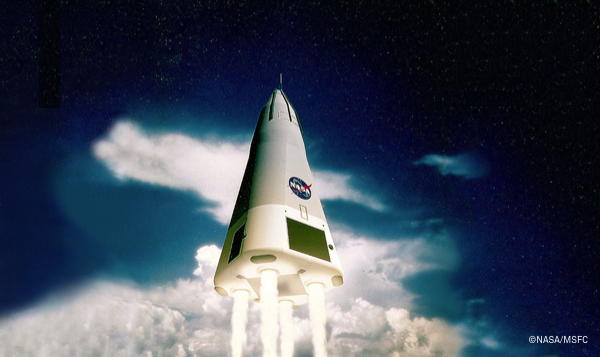
Reusable Launch Vehicle, In the rapidly evolving arena of space exploration, one of the most exciting advancements is NASA’s Reusable Launch Vehicle Technology Program. This program is set to revolutionize how we approach space missions, making them more sustainable, cost-effective, and frequent. Let’s dive deep into the fascinating world of reusable launch vehicles (RLVs) and explore what NASA has in store for 2024 and beyond.
Read More: Empowering Discoveries: Unveiling the Wonders of the Hubble Telescope 2024
History of Reusable Launch Vehicles
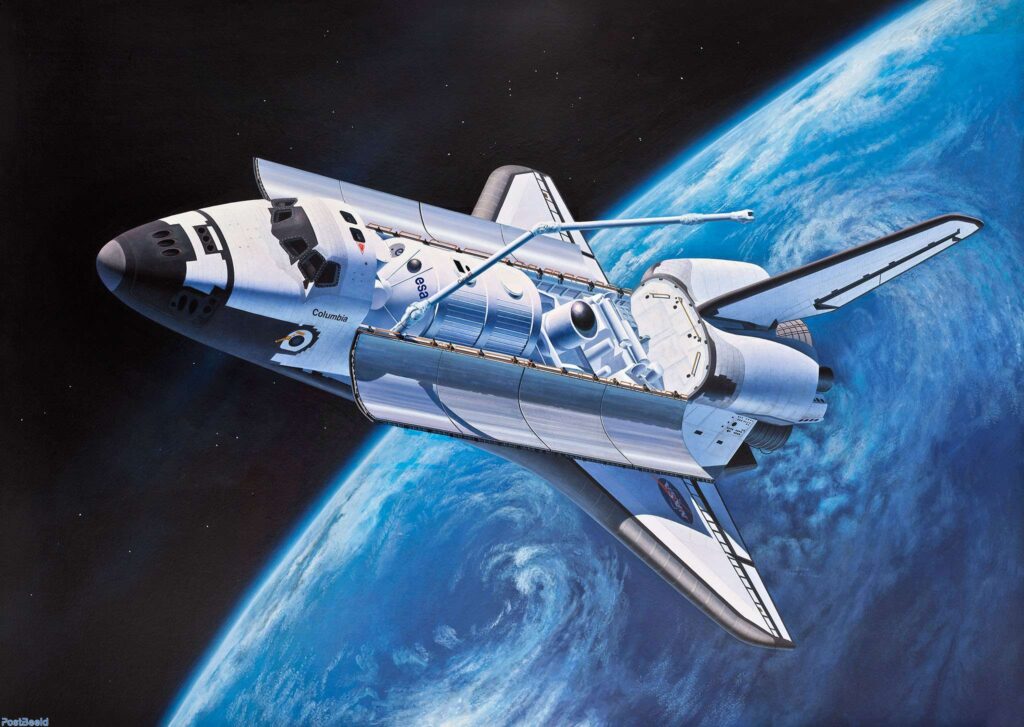
The concept of reusable launch vehicles isn’t new. It dates back to the early days of space exploration. Visionaries like Wernher von Braun imagined spacecraft that could return to Earth, be refurbished, and launch again. The Space Shuttle program, initiated in the 1970s, was NASA’s first significant foray into this technology. Despite its mixed success, it paved the way for modern advancements.
The Birth of NASA’s Reusable Launch Vehicle Technology Program
NASA officially launched the Reusable Launch Vehicle Technology Program to advance the technology needed for fully reusable space vehicles. The program aims to reduce the cost of access to space and increase the frequency of missions. Since its inception, it has achieved several key milestones, including successful tests of prototype vehicles and advancements in autonomous landing systems.
Technological Innovations
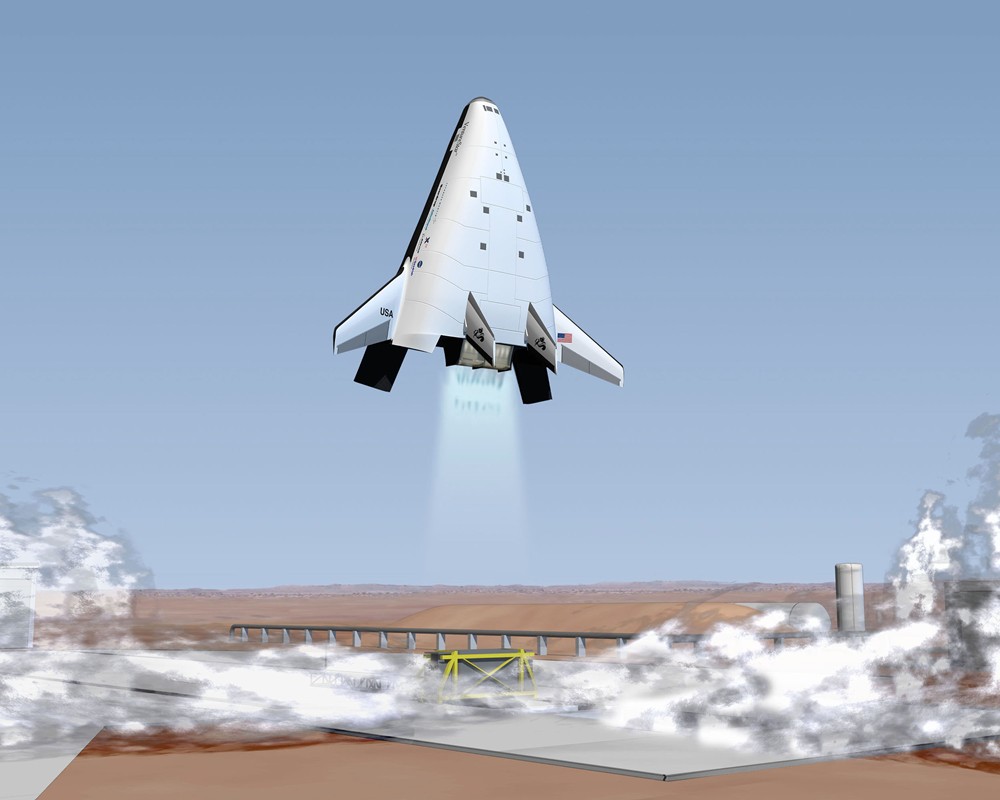
NASA’s program is a hotbed of cutting-edge technology. It encompasses advanced materials that can withstand the rigors of space travel and re-entry, innovative propulsion systems that offer greater efficiency and reliability, and sophisticated autonomous landing technology that allows vehicles to return safely to Earth without human intervention.
Current Projects Under the Program
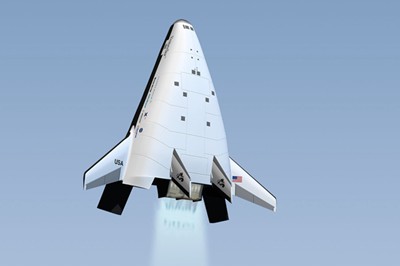
Several exciting projects are currently underway. One notable project is the X-37B Orbital Test Vehicle, which has completed multiple missions demonstrating the viability of reusable space planes. Another is the SpaceX Dragon, developed in collaboration with NASA, which has become a workhorse for transporting cargo and crew to the International Space Station.
Key Players and Collaborations
The success of the Reusable Launch Vehicle Technology Program hinges on collaborations. NASA partners with leading private companies like SpaceX, Blue Origin, and Boeing. These partnerships leverage the innovation and agility of the private sector, combined with NASA’s extensive expertise and resources. International collaborations with agencies like ESA and JAXA also play a crucial role.
Challenges Faced
Developing reusable launch vehicles is no small feat. Technological challenges include creating materials that can endure multiple launches and re-entries and ensuring the reliability of complex systems. Financial constraints are another hurdle, as developing and testing these technologies is expensive. Regulatory issues, such as airspace management and international agreements, also need to be navigated.
Success Stories and Achievements
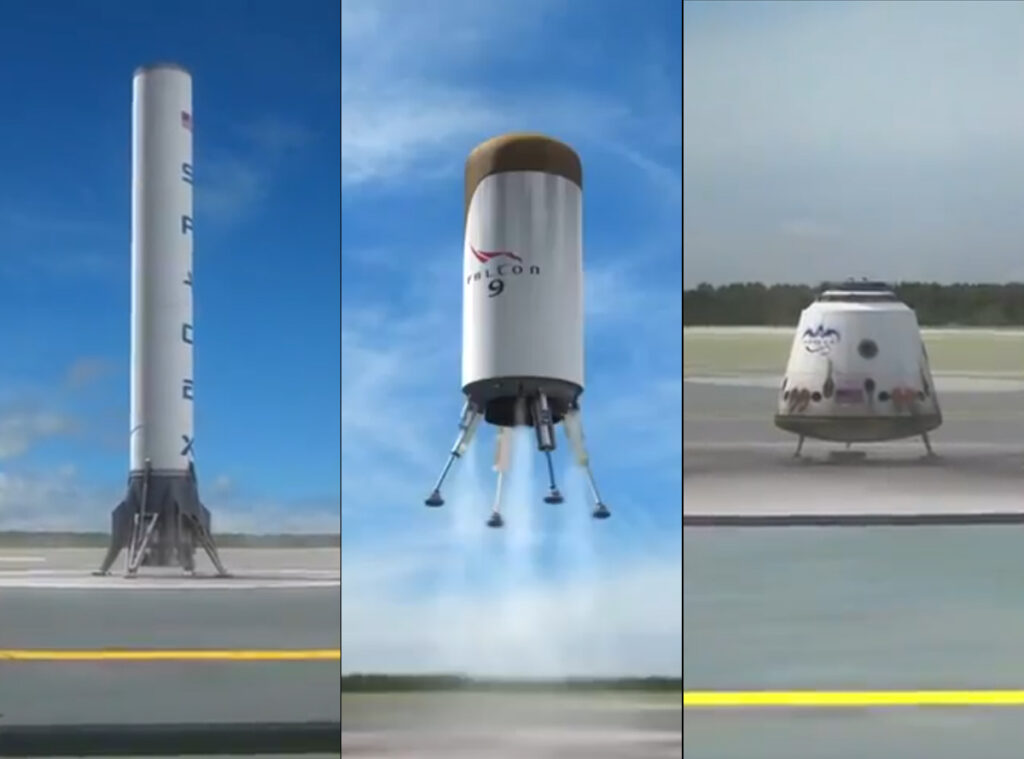
Despite the challenges, the program has seen significant success. The SpaceX Falcon 9, for instance, has redefined what is possible with its numerous successful launches and landings. The recovery and reuse of its first stage have led to substantial cost savings and increased launch frequency. NASA’s own efforts with the X-37B have also yielded valuable data and proven the concept of reusable spaceplanes.
Environmental Impact
One of the most compelling benefits of reusable launch vehicles is their positive environmental impact. Traditional rockets contribute to space debris, a growing problem that threatens satellites and other spacecraft. Reusable technology helps mitigate this issue by reducing the number of expendable stages left in orbit. Additionally, it promotes sustainability by reducing the need for manufacturing new components for every launch.
Economic Benefits
The economic advantages of reusable launch vehicles are significant. By drastically lowering the cost of launches, space becomes more accessible not only for governmental and scientific missions but also for commercial ventures. This opens up new opportunities for industries like satellite deployment, space tourism, and even resource mining from asteroids.
Future Prospects
Looking ahead, the future of the Reusable Launch Vehicle Technology Program is bright. NASA has ambitious plans for the coming years, including more frequent and complex missions. Projects like the Space Launch System (SLS) and the Artemis program, which aims to return humans to the Moon, will heavily rely on advancements in reusable technology.
Impact on Space Exploration
Reusable launch vehicles are set to change the landscape of space exploration. They make missions more feasible by lowering costs and increasing reliability. This can accelerate scientific discoveries, facilitate human exploration of Mars, and enhance our understanding of the universe. The ability to reuse components also means that space missions can be planned with greater frequency and flexibility.
Public and Scientific Community Reception
The public and scientific community have received NASA’s Reusable Launch Vehicle Technology Program with enthusiasm. The success of commercial ventures like SpaceX has captured the public’s imagination, proving that reusable technology is not only viable but also transformative. The scientific community recognizes the potential for more frequent missions and the ability to conduct more extensive research.
Educational and Outreach Programs
NASA is committed to educating and inspiring the next generation of scientists and engineers. Through educational programs, internships, and public outreach initiatives, NASA aims to raise awareness about the importance of reusable launch technology and inspire young minds to pursue careers in STEM fields. Public campaigns and interactive exhibits help demystify the technology and engage the public in the journey of space exploration.
Extended Impact on Space Exploration
The Reusable Launch Vehicle Technology Program’s potential to revolutionize space exploration is vast. By dramatically reducing the cost and increasing the frequency of missions, reusable vehicles allow for more ambitious scientific and exploratory endeavors. These vehicles facilitate the construction of infrastructure in space, such as orbital platforms and lunar bases, that can support long-term missions and even eventual human habitation.
Deep Space Missions
Reusable launch technology also plays a critical role in deep space missions. With the cost savings and increased reliability, NASA can plan more missions to distant celestial bodies. The Mars missions, for instance, benefit greatly from reusable launch vehicles. These missions can transport supplies, equipment, and even crew members more efficiently, paving the way for sustained exploration and potential colonization.
Commercialization of Space
Another profound impact is the commercialization of space. The reduced costs and increased launch capabilities enable private companies to venture into space activities previously reserved for government agencies. Satellite deployment, space tourism, and resource extraction from asteroids are becoming viable commercial activities. This commercialization drives further innovation and investment in space technology, creating a robust space economy.
Enhancing Global Cooperation
The advancements in reusable launch technology also foster greater international cooperation. As space missions become more affordable and frequent, nations can collaborate on joint missions and share the benefits of space exploration. This cooperation can lead to shared resources, knowledge, and technologies, advancing global space exploration efforts and fostering peaceful uses of outer space.
Development of Supporting Technologies
The push for reusable launch vehicles spurs the development of supporting technologies. Innovations in materials science, propulsion, autonomous systems, and robotics are driven by the need for reliable and efficient reusable systems. These advancements have applications beyond space exploration, benefiting industries such as aviation, manufacturing, and artificial intelligence.
Inspirational Impact
Finally, the inspirational impact of reusable launch vehicles cannot be understated. The success stories of SpaceX, Blue Origin, and NASA inspire a new generation of scientists, engineers, and explorers. Educational programs, media coverage, and public engagement initiatives highlight these achievements, encouraging young people to pursue careers in STEM fields and dream big about humanity’s future in space.
Conclusion
NASA’s Reusable Launch Vehicle Technology Program is a game-changer in space exploration. By making space travel more sustainable, cost-effective, and frequent, it opens up new frontiers for scientific research, commercial ventures, and human exploration. As we look to the future, the advancements in reusable technology will undoubtedly play a pivotal role in our quest to explore and understand the universe.
NASA’s Reusable Launch Vehicle Technology Program stands at the forefront of space exploration innovation. By making space missions more sustainable and cost-effective, it opens new horizons for scientific discovery, commercial ventures, and international collaboration. As we continue to develop and refine these technologies, the dream of frequent, reliable, and affordable access to space becomes a reality, propelling humanity into a new era of space exploration.
FAQs
What is the main goal of NASA’s Reusable Launch Vehicle Technology Program? The main goal is to develop technologies that make space launch vehicles reusable, thereby reducing the cost of access to space and increasing the frequency of missions.
How do reusable launch vehicles work?
Reusable launch vehicles are designed to return to Earth intact, where they can be refurbished and prepared for another mission. This involves advanced engineering, materials that can withstand multiple launches and re-entries, and autonomous landing systems.
What are the benefits of using reusable launch vehicles?
The benefits include significant cost savings, reduced space debris, increased mission frequency, and the potential for more sustainable space exploration.
What challenges do reusable launch vehicles face?
Challenges include technological hurdles like creating durable materials and reliable systems, financial constraints due to high development and testing costs, and regulatory issues related to airspace and international agreements.
How can the public get involved or learn more about this program?
The public can get involved through educational programs, public outreach initiatives, internships, and by following NASA’s updates on their website and social media channels.