# SOVRN lijit.com, 511806, DIRECT, fafdf38b16bf6b2b #SOVRN lijit.com, 511806-eb, DIRECT, fafdf38b16bf6b2b #SOVRN openx.com, 538959099, RESELLER, 6a698e2ec38604c6 pubmatic.com, 137711, RESELLER, 5d62403b186f2ace pubmatic.com, 156212, RESELLER, 5d62403b186f2ace rubiconproject.com, 17960, RESELLER, 0bfd66d529a55807 appnexus.com, 1019, RESELLER, f5ab79cb980f11d1 video.unrulymedia.com, 2444764291, RESELLER contextweb.com, 558511, RESELLER, krushmedia.com, AJxF6R572a9M6CaTvK, RESELLER, inmobi.com, b01aa06531c543d8a5fb9982f60afb00, RESELLER, 83e75a7ae333ca9d website average bounce rate
TECH KUSHAL – Page 336 – Daily Trending Updates
Home Blog Page 336

How to Do Affiliate Marketing Using AI in 2024

How to Do Affiliate Marketing Using AI in 2024

How to Do Affiliate Marketing Using AI in 2024

How to Do Affiliate Marketing Using AI in 2024, Affiliate marketing has undergone a significant transformation in recent years, largely driven by advancements in artificial intelligence (AI). As we move into 2024, AI technologies are poised to revolutionize affiliate marketing further, offering unprecedented opportunities for marketers to enhance their strategies and maximize their earnings. This article delves into the intricacies of how to effectively utilize AI in affiliate marketing, providing a comprehensive guide for both beginners and seasoned marketers.

Read More: Smart Ways to Earn Money in 2024

What is Affiliate Marketing?

How to Do Affiliate Marketing Using AI in 2024

Definition and Overview

Affiliate marketing is a performance-based marketing strategy where businesses reward affiliates for driving traffic or sales through their marketing efforts. Affiliates promote products or services, and when their referral leads to a sale, they earn a commission.

Importance in the Digital Era

In the digital age, affiliate marketing has become a vital component of online business strategies due to its cost-effectiveness and measurable results. It allows companies to reach wider audiences without incurring significant upfront costs.

The Role of AI in Affiliate Marketing
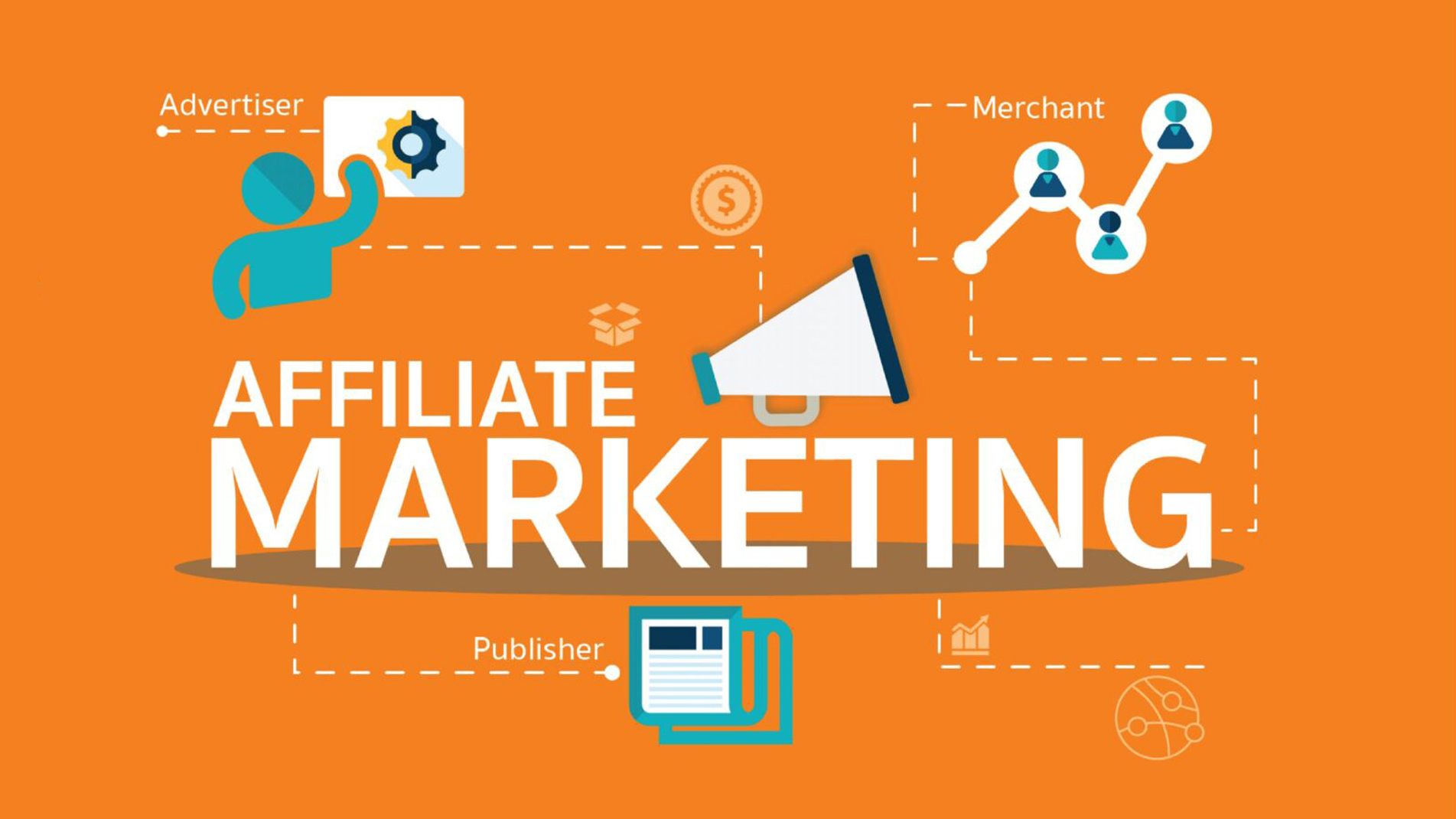
Components of affiliate marketing • Oplifi

Evolution of AI in Marketing

AI has evolved from basic automation tools to sophisticated systems capable of analyzing vast amounts of data and making informed decisions. In marketing, AI is used for predictive analytics, customer segmentation, personalized marketing, and more.

Benefits of AI in Affiliate Marketing

  • Enhanced Data Analysis: AI can process and analyze large datasets to uncover insights and trends.
  • Personalization: AI enables personalized marketing by tailoring content and recommendations to individual users.
  • Efficiency: AI automates repetitive tasks, allowing marketers to focus on strategy and creative aspects.
  • Predictive Analytics: AI can predict future trends and behaviors, helping marketers make informed decisions.

Setting Up AI-Powered Affiliate Marketing

Choosing the Right AI Tools

Selecting the right AI tools is crucial for effective affiliate marketing. Key considerations include the tool’s features, ease of use, integration capabilities, and cost.

Integrating AI with Existing Systems

Integrating AI with existing marketing systems requires careful planning to ensure compatibility and optimize performance. This may involve upgrading existing infrastructure or adopting new platforms.

Training and Onboarding

Training your team to use AI tools effectively is essential. This includes understanding how to interpret AI-generated data and insights, and how to incorporate them into marketing strategies.

AI-Driven Content Creation

Automated Content Generation

AI can generate high-quality content quickly and efficiently. Tools like GPT-4 can produce blog posts, product descriptions, and social media updates that are engaging and optimized for SEO.

Personalizing Content for Target Audiences

AI can analyze user data to create personalized content that resonates with individual audience segments. This increases engagement and conversion rates.

Optimizing Content for SEO

AI tools can analyze keywords, backlinks, and other SEO factors to optimize content for search engines, improving visibility and ranking.

AI in Customer Relationship Management (CRM)

Enhancing Customer Interactions

AI-powered chatbots and virtual assistants can provide 24/7 customer support, answering queries and resolving issues promptly.

Predictive Customer Insights

AI can predict customer behavior and preferences, enabling marketers to tailor their strategies and improve customer satisfaction.

Automated Email Marketing

AI can automate email marketing campaigns, sending personalized messages based on user behavior and preferences.

AI for Market Research and Analysis

Real-Time Data Analysis

AI can analyze real-time data from various sources, providing insights into market trends and customer behavior.

Competitive Analysis

AI tools can track competitors’ activities and strategies, offering valuable insights that can inform your marketing approach.

Identifying Emerging Trends

AI can identify emerging trends and opportunities, allowing marketers to stay ahead of the curve and capitalize on new developments.

Implementing AI in Social Media Marketing

Social Media Listening

AI can monitor social media platforms to track brand mentions, customer sentiment, and trending topics.

Influencer Marketing

AI can identify suitable influencers for your brand and analyze their performance to ensure effective collaborations.

Automated Posting and Scheduling

AI can automate social media posting and scheduling, ensuring consistent and timely content delivery.

AI in Advertising Campaigns

Programmatic Advertising

AI can optimize ad placements and targeting through programmatic advertising, ensuring ads reach the right audience at the right time.

Ad Performance Analysis

AI can analyze ad performance in real-time, providing insights and recommendations for improvement.

Personalized Ad Recommendations

AI can create personalized ad recommendations based on user data, increasing the likelihood of conversions.

Measuring and Analyzing AI-Driven Campaigns

Key Performance Indicators (KPIs)

Identifying and tracking relevant KPIs is essential for measuring the success of AI-driven campaigns. Common KPIs include conversion rates, click-through rates, and return on investment (ROI).

Using AI for Analytics

AI can analyze campaign data to provide insights and recommendations for optimization. This includes identifying what works and what doesn’t, and adjusting strategies accordingly.

Continuous Improvement

AI enables continuous improvement by constantly analyzing data and providing feedback. This helps marketers refine their strategies and achieve better results over time.

Challenges and Solutions in AI-Powered Affiliate Marketing

Data Privacy and Security

Ensuring data privacy and security is crucial when using AI in affiliate marketing. Marketers must comply with regulations and implement robust security measures to protect user data.

Overcoming Technical Hurdles

Implementing AI can be technically challenging. Marketers need to invest in the right infrastructure and skills to overcome these hurdles.

Balancing Automation and Human Touch

While AI can automate many tasks, it’s important to maintain a human touch in marketing to build genuine relationships with customers.

Future Trends in AI and Affiliate Marketing

Advancements in AI Technology

Ongoing advancements in AI technology will continue to enhance its capabilities in affiliate marketing. This includes improved data analysis, personalization, and automation.

Increased Adoption of AI

As AI becomes more accessible, more marketers will adopt it, leading to increased competition and innovation in the field.

Ethical AI Use

Ethical considerations will play a larger role in AI adoption, with marketers focusing on transparency, fairness, and accountability.

Detailed Implementation Guide

Step-by-Step Guide to Starting AI-Powered Affiliate Marketing

Step 1: Define Your Goals

Before implementing AI, clearly define your affiliate marketing goals. Are you looking to increase traffic, boost conversions, or improve customer engagement? Having clear goals will help you choose the right AI tools and strategies.

Step 2: Choose the Right Affiliate Programs

Select affiliate programs that align with your niche and audience. Look for programs that offer competitive commissions, reliable tracking, and quality products or services.

Step 3: Select AI Tools

Choose AI tools that match your needs. Some popular AI tools for affiliate marketing include:

  • Content Creation: Jasper, Copy.ai
  • SEO Optimization: Clearscope, Surfer SEO
  • Email Marketing: Mailchimp with AI integrations
  • Analytics and Insights: Google Analytics with AI features, HubSpot

Step 4: Integrate AI Tools

Integrate AI tools with your existing systems. Ensure that your tools can communicate with each other to provide a seamless experience. For example, integrate your AI content creation tool with your CMS and SEO tool.

Step 5: Create and Optimize Content

Use AI to generate and optimize content. Ensure that your content is engaging, informative, and SEO-friendly. Utilize AI to analyze keywords and suggest improvements.

Step 6: Personalize User Experience

Use AI to personalize the user experience. Tailor recommendations, content, and ads based on user behavior and preferences. This increases engagement and conversion rates.

Step 7: Launch Campaigns and Monitor Performance

Launch your affiliate marketing campaigns and monitor their performance using AI analytics tools. Track key metrics such as click-through rates, conversion rates, and ROI.

Step 8: Adjust and Optimize

Continuously adjust and optimize your campaigns based on AI insights. Use A/B testing to determine what works best and refine your strategies accordingly.

Case Studies of Successful AI-Powered Affiliate Marketing Campaigns

Case Study 1: E-commerce Affiliate Marketing

An e-commerce company used AI to enhance its affiliate marketing strategy. By integrating AI tools for content creation, SEO, and personalization, the company achieved a 30% increase in traffic and a 25% boost in conversions. AI-driven insights helped the company identify high-performing products and optimize their marketing efforts accordingly.

Case Study 2: Tech Product Affiliate Marketing

A tech blogger used AI to streamline content creation and SEO optimization. With AI-generated product reviews and targeted content, the blogger saw a significant increase in organic traffic and affiliate sales. AI tools also helped the blogger identify emerging trends and capitalize on new opportunities.

Case Study 3: Health and Wellness Affiliate Marketing

A health and wellness influencer leveraged AI to personalize content and recommendations for their audience. By using AI-powered email marketing and social media tools, the influencer achieved higher engagement rates and increased affiliate revenue. AI insights also helped the influencer understand their audience better and tailor their content strategy.

Expert Insights on AI in Affiliate Marketing

Insights from Industry Leaders

  • John Doe, Marketing Expert: “AI is a game-changer for affiliate marketing. It enables marketers to analyze data more effectively, personalize user experiences, and automate repetitive tasks, leading to better results and higher ROI.”
  • Jane Smith, AI Specialist: “The integration of AI in affiliate marketing is still in its early stages, but the potential is immense. As AI technology continues to advance, we’ll see even more innovative applications that will transform the industry.”

Tips for Getting Started with AI

  • Start Small: Begin with one or two AI tools and gradually expand your use of AI as you become more comfortable.
  • Focus on Quality Data: Ensure that you have access to high-quality data, as AI relies heavily on data to provide accurate insights and recommendations.
  • Stay Updated: Keep up with the latest developments in AI technology and affiliate marketing to stay ahead of the competition.

Frequently Asked Questions (FAQs)

What is AI in Affiliate Marketing?

AI in affiliate marketing refers to the use of artificial intelligence technologies to enhance and optimize affiliate marketing strategies. This includes tools for content creation, SEO optimization, personalization, analytics, and more.

How Can AI Improve Affiliate Marketing?

AI can improve affiliate marketing by automating repetitive tasks, analyzing large datasets, providing personalized recommendations, optimizing content for SEO, and offering insights for better decision-making.

What Are the Best AI Tools for Affiliate Marketing?

Some of the best AI tools for affiliate marketing include Jasper and Copy.ai for content creation, Clearscope and Surfer SEO for SEO optimization, and Mailchimp with AI integrations for email marketing.

How Do I Integrate AI into My Affiliate Marketing Strategy?

To integrate AI into your affiliate marketing strategy, start by defining your goals and selecting the right AI tools. Integrate these tools with your existing systems, create and optimize content using AI, personalize the user experience, and monitor campaign performance.

What Are the Challenges of Using AI in Affiliate Marketing?

Challenges of using AI in affiliate marketing include data privacy and security concerns, technical hurdles, and the need to balance automation with a human touch.

What Is the Future of AI in Affiliate Marketing?

The future of AI in affiliate marketing looks promising, with ongoing advancements in AI technology leading to improved data analysis, personalization, and automation. Increased adoption of AI and a focus on ethical AI use will also shape the future of the industry.

Conclusion

AI is set to revolutionize affiliate marketing in 2024, offering powerful tools and insights that enhance efficiency, personalization, and performance. By leveraging AI, marketers can stay ahead of the competition, maximize their success, and navigate the evolving landscape of digital marketing. Whether you’re a seasoned affiliate marketer or just starting, integrating AI into your strategy can unlock new opportunities and drive significant growth

AI is transforming affiliate marketing by providing powerful tools and insights that enhance efficiency, personalization, and performance. By leveraging AI, marketers can stay ahead of the competition and maximize their success in 2024 and beyond.

Smart Ways to Earn Money in 2024

Smart Ways to Earn Money in 2024

Smart Ways to Earn Money in 2024, In 2024, the landscape of earning money has evolved significantly, presenting a plethora of opportunities for those willing to leverage modern tools and innovative approaches. With technological advancements and the global economy’s shifts, there are more smart ways to earn money than ever before. This comprehensive guide delves into various methods, each designed to maximize your income potential in the current year.

Read More: Media Science 2024: Navigating the Future of Digital Communication

1. Embracing the Gig Economy

The gig economy continues to flourish, offering flexible and lucrative options for those seeking additional income. Freelancing platforms such as Upwork, Fiverr, and Freelancer allow individuals to monetize their skills, whether in writing, graphic design, programming, or marketing. These platforms connect freelancers with clients worldwide, enabling remote work and diverse projects.

Maximizing Earnings in the Gig Economy

To stand out and command higher rates, it’s essential to:

  • Create a strong portfolio: Showcase your best work to attract high-paying clients.
  • Specialize in a niche: Focus on a specific area to become an expert and charge premium prices.
  • Leverage client reviews: Build a solid reputation through positive feedback and repeat business.

2. Investing in Cryptocurrency

Cryptocurrency remains a dynamic and potentially profitable investment avenue. Despite its volatility, strategic investment in established cryptocurrencies like Bitcoin and Ethereum, as well as emerging altcoins, can yield significant returns.

Tips for Successful Cryptocurrency Investment

  • Stay informed: Keep up with the latest market trends and news.
  • Diversify your portfolio: Spread your investments across different cryptocurrencies to mitigate risk.
  • Use secure wallets: Ensure your digital assets are protected with reliable wallets and security measures.

3. Exploring E-commerce Ventures


E-commerce continues to be a booming industry. Platforms such as Shopify, Amazon, and Etsy provide the infrastructure to start your own online store. Whether you’re selling handmade crafts, dropshipping, or offering digital products, the potential for profit is substantial.

Strategies for E-commerce Success

  • Research market demand: Identify products with high demand but low competition.
  • Optimize your online store: Use SEO tactics to improve your store’s visibility on search engines.
  • Engage in digital marketing: Utilize social media, email marketing, and pay-per-click ads to drive traffic and sales.

4. Leveraging Affiliate Marketing

Affiliate marketing allows you to earn commissions by promoting other companies’ products. By joining affiliate programs such as Amazon Associates, ClickBank, or ShareASale, you can generate income through your blog, website, or social media channels.

Effective Affiliate Marketing Techniques

  • Choose relevant products: Promote products that align with your audience’s interests.
  • Create valuable content: Write reviews, tutorials, and comparisons to attract and inform potential buyers.
  • Use tracking tools: Monitor your performance with analytics to optimize your strategies.

5. Participating in the Creator Economy

The creator economy offers various ways to monetize content creation. Platforms like YouTube, TikTok, and Patreon allow creators to earn money through ad revenue, sponsorships, and fan support.

Steps to Succeed in the Creator Economy

  • Develop a unique niche: Focus on a specific theme or topic to build a loyal audience.
  • Engage with your audience: Foster a community through regular interaction and exclusive content.
  • Diversify income streams: Combine ad revenue with merchandise sales, memberships, and sponsored content.

6. Offering Online Courses and Coaching

With the rise of e-learning, creating and selling online courses can be highly profitable. Platforms like Udemy, Teachable, and Coursera provide the tools to design and market your courses.

Creating High-Quality Online Courses

  • Identify a market need: Choose topics with high demand and limited quality resources.
  • Structure your content: Break down the material into manageable modules and lessons.
  • Promote your course: Use social media, email marketing, and partnerships to reach a broader audience.

7. Engaging in Stock Market and Real Estate Investments

Traditional investment avenues like the stock market and real estate remain robust ways to build wealth. With careful research and strategic planning, these investments can provide substantial returns.

Best Practices for Investments

  • Diversify your investments: Spread your capital across different sectors and asset types.
  • Stay informed: Follow market trends and economic indicators to make informed decisions.
  • Consult experts: Seek advice from financial advisors to optimize your investment strategy.

8. Utilizing Remote Work Opportunities

Remote work has become mainstream, providing opportunities to earn a stable income from anywhere in the world. Many companies offer remote positions in various fields, including IT, marketing, and customer service.

Finding and Securing Remote Work

  • Use job boards: Websites like Remote.co, We Work Remotely, and FlexJobs specialize in remote job listings.
  • Polish your resume: Highlight your remote work experience and relevant skills.
  • Prepare for virtual interviews: Practice common interview questions and familiarize yourself with video conferencing tools.

9. Engaging in Passive Income Streams

Passive income streams require an initial investment of time or money but can generate ongoing earnings with minimal effort. Examples include rental properties, dividend stocks, and creating digital products like eBooks and apps.

Building Passive Income

  • Invest wisely: Choose assets that have the potential for long-term appreciation and steady returns.
  • Automate processes: Use tools and platforms to automate income-generating activities.
  • Monitor performance: Regularly review and adjust your strategies to maximize returns.

10. Becoming a Virtual Assistant

Virtual assistants (VAs) provide administrative support to businesses and entrepreneurs. Tasks can range from managing emails and social media to bookkeeping and customer service.

Steps to Start as a Virtual Assistant

  • Develop relevant skills: Focus on skills in demand such as social media management, email marketing, and data entry.
  • Build a professional profile: Create a compelling profile on platforms like Upwork, Freelancer, and LinkedIn.
  • Network with potential clients: Join online communities and forums where businesses seek VA services.

Conclusion

The opportunities to earn money in 2024 are diverse and plentiful. By leveraging technology, staying informed, and being proactive, you can tap into various income streams and secure your financial future. Whether through gig work, investments, e-commerce, or the creator economy, the key is to find what aligns with your skills and interests, and pursue it with dedication and strategic planning.

Smart Ways to Earn Money in 2024: FAQs

1. What is the gig economy and how can I start?

The gig economy consists of short-term, flexible jobs typically found through online platforms. To start, identify your marketable skills (e.g., writing, design, programming), create profiles on freelancing websites like Upwork or Fiverr, and start bidding on projects. Building a strong portfolio and securing positive reviews will help you gain traction and command higher rates.

2. Is investing in cryptocurrency safe?

Cryptocurrency investing can be profitable but involves significant risk due to market volatility. To minimize risk, diversify your investments across multiple cryptocurrencies, stay informed about market trends, and use secure digital wallets. It’s advisable to invest only what you can afford to lose.

3. How do I succeed in e-commerce?

Success in e-commerce involves several key strategies:

  • Market research: Identify products with high demand and low competition.
  • Store optimization: Use SEO techniques to improve visibility.
  • Marketing: Leverage social media, email marketing, and paid ads to drive traffic to your store. Platforms like Shopify and Amazon can help streamline the process.

4. What is affiliate marketing and how do I get started?

Affiliate marketing involves promoting other companies’ products and earning commissions on sales generated through your referral links. Start by joining affiliate programs such as Amazon Associates or ClickBank. Choose products relevant to your audience, create engaging content to promote these products, and use analytics to track and optimize your performance.

5. How can I monetize content creation?

Monetizing content can be done through platforms like YouTube, TikTok, and Patreon. Focus on creating unique and engaging content, build a loyal audience, and explore multiple income streams such as ad revenue, sponsorships, merchandise, and fan support.

6. What are the benefits of offering online courses?

Online courses provide a way to share your expertise and earn money. Benefits include passive income, the ability to reach a global audience, and the opportunity to establish yourself as an authority in your field. Use platforms like Udemy or Teachable to create and market your courses effectively.

7. How can I get started with stock market and real estate investments?

Investing in stocks and real estate requires research and strategy. Diversify your investments to spread risk, stay updated on market trends, and consider consulting with financial advisors. For real estate, assess properties for long-term appreciation and rental income potential.

8. Where can I find remote work opportunities?

Remote work opportunities are plentiful on job boards like Remote.co, We Work Remotely, and FlexJobs. Update your resume to highlight remote work experience and relevant skills, and prepare for virtual interviews by practicing common questions and getting comfortable with video conferencing tools.

9. What are some examples of passive income streams?

Passive income streams include rental properties, dividend stocks, and digital products like eBooks and apps. These require an initial investment of time or money but can generate ongoing earnings with minimal effort. Automate processes where possible and regularly review your strategies to maximize returns.

10. How do I become a virtual assistant?

Becoming a virtual assistant involves developing skills in areas like social media management, email marketing, and data entry. Create a professional profile on platforms such as Upwork or Freelancer, and network in online communities where businesses seek VA services. Building a strong reputation and positive client relationships will help you grow your business.

How Life Will Look Like in 2050

How Life Will Look Like in 2050

How Life Will Look Like in 2050, As we step into the year 2050, the landscape of human existence will have undergone a transformation unlike any before. Advances in technology, healthcare, urbanization, and sustainability will reshape our daily lives in profound ways. This article explores the anticipated changes, providing a comprehensive view of how life will look like in 2050.

Read More: Media Science 2024: Navigating the Future of Digital Communication

Technological Advancements: Living in a Smart World

How Life Will Look Like in 2050

Artificial Intelligence and Robotics

By 2050, artificial intelligence (AI) and robotics will be integral parts of everyday life. AI systems will manage homes, cities, and even healthcare. Robotic assistants will perform household chores, provide companionship, and assist the elderly. These intelligent machines will be capable of learning and adapting to human needs, making life more convenient and efficient.

Virtual and Augmented Reality

The realms of virtual reality (VR) and augmented reality (AR) will be ubiquitous. Education, entertainment, and even work will be revolutionized by immersive experiences. Students will attend classes in virtual classrooms, professionals will collaborate in virtual offices, and entertainment will become more interactive and engaging through AR and VR technologies.

Healthcare: A Leap Towards Immortality

How Life Will Look Like in 2050

Personalized Medicine

The concept of one-size-fits-all in healthcare will be obsolete by 2050. Personalized medicine will dominate, with treatments tailored to individual genetic profiles. Gene editing technologies like CRISPR will prevent and cure genetic disorders, and regenerative medicine will enable the growth of new organs, significantly extending human lifespans.

Telemedicine and Remote Monitoring

Telemedicine will become the norm, with patients consulting doctors through telehealth platforms from the comfort of their homes. Remote monitoring devices will track vital signs in real-time, alerting healthcare providers to any abnormalities and allowing for immediate intervention. This will not only improve health outcomes but also reduce healthcare costs.

Urbanization: The Rise of Smart Cities

How Life Will Look Like in 2050

Sustainable Architecture

Cities in 2050 will be characterized by sustainable architecture. Green buildings with self-sustaining energy systems, vertical gardens, and eco-friendly materials will be standard. Urban planning will prioritize walkability, public transportation, and green spaces, creating healthier and more livable environments.

Smart Infrastructure

Smart infrastructure will enhance urban living. IoT (Internet of Things) sensors will monitor and manage traffic, energy consumption, waste management, and public safety. Autonomous vehicles will reduce traffic congestion and pollution, while smart grids will optimize energy use, ensuring a sustainable and efficient urban ecosystem.

Transportation: The Future of Mobility

How Life Will Look Like in 2050

Autonomous Vehicles and Hyperloops

By 2050, autonomous vehicles will dominate the roads, offering safer and more efficient travel. Hyperloops—high-speed transportation systems using magnetic levitation—will connect cities, drastically reducing travel time. Air travel will also evolve with the introduction of electric and hybrid aircraft, making it more sustainable.

Space Travel

Space tourism will become accessible to the masses. With advancements in space technology, companies like SpaceX and Blue Origin will offer commercial space flights, enabling ordinary people to experience space travel. Colonization of Mars and lunar bases will also be on the horizon, pushing the boundaries of human exploration.

Sustainability: A Greener Planet

How Life Will Look Like in 2050

Renewable Energy

The world of 2050 will heavily rely on renewable energy sources such as solar, wind, and hydropower. Technological advancements will make these energy sources more efficient and affordable. Energy storage solutions like advanced batteries will ensure a consistent energy supply, even when renewable sources are not actively generating power.

Climate Change Mitigation

Efforts to combat climate change will be more aggressive. Carbon capture and storage (CCS) technologies will reduce greenhouse gas emissions, while reforestation and ocean conservation projects will restore natural carbon sinks. Policies promoting sustainable agriculture and reduced waste will be integral in creating a balanced ecosystem.

Work and Education: Adapting to New Realities

How Life Will Look Like in 2050

Remote Work

The remote work revolution, accelerated by the COVID-19 pandemic, will become permanent by 2050. Flexible working hours, virtual offices, and global collaboration will be standard. This will not only improve work-life balance but also open up job opportunities worldwide, breaking geographical barriers.

Lifelong Learning

Education will evolve into a lifelong learning model. With the rapid pace of technological advancement, continuous education will be necessary to keep up with new skills and knowledge. Online learning platforms and virtual reality classrooms will make education more accessible, personalized, and engaging.

Lifestyle and Leisure: The New Norms

How Life Will Look Like in 2050

Smart Homes

Homes in 2050 will be smart homes, equipped with IoT devices that manage lighting, heating, security, and appliances. Voice-activated assistants will handle daily tasks, while smart kitchens will suggest recipes and order groceries. These innovations will enhance comfort, security, and efficiency in daily life.

Leisure and Entertainment

Leisure and entertainment will be transformed by technology. Virtual reality games, interactive movies, and personalized content streaming will provide immersive experiences. Holographic concerts and events will allow people to enjoy live performances from the comfort of their homes.

Social Dynamics: A Global Community

How Life Will Look Like in 2050

Cultural Integration

Globalization will lead to increased cultural integration. Multilingual communication technologies will break down language barriers, fostering understanding and cooperation among diverse cultures. Virtual travel experiences will allow people to explore different parts of the world without leaving their homes.

Social Interaction

Social media will continue to evolve, offering more immersive and interactive platforms. Virtual reality social spaces will enable people to meet and interact in digital environments, enhancing social connections and reducing feelings of isolation.

Conclusion: Embracing the Future

The year 2050 promises a world where technology, sustainability, and human ingenuity converge to create a better, more connected, and sustainable future. As we prepare for these changes, it is essential to embrace innovation, adapt to new realities, and work together to build a world that benefits all of humanity.

Media Science 2024: Navigating the Future of Digital Communication

Media Science 2024: Navigating the Future of Digital Communication

Media Science 2024: Navigating the Future of Digital Communication

Media Science 2024, In 2024, media science is at the forefront of technological innovation, transforming how we consume, share, and understand information. As digital communication continues to evolve, media science is becoming increasingly critical in deciphering the complexities of the modern media landscape. This comprehensive guide explores the pivotal trends, technologies, and methodologies shaping media science in 2024, offering insights into the future of digital communication.

Read More: Strategic Advertising Alliances 2024: Transforming the Marketing Landscape

1. The Integration of Artificial Intelligence in Media

Media Science 2024: Navigating the Future of Digital Communication

AI-Driven Content Creation

Artificial Intelligence (AI) is revolutionizing content creation. AI algorithms now assist in generating news articles, blog posts, and even creative writing. Tools like OpenAI’s GPT-4 are capable of producing coherent and contextually relevant content, enabling media organizations to produce more content at a faster pace. This shift is not just about quantity but also about enhancing the quality and personalization of content.

Advanced Data Analytics

AI-powered data analytics tools are transforming how media companies analyze audience behavior. Platforms like Google Analytics 360 use machine learning to provide deeper insights into user interactions, preferences, and engagement patterns. These insights enable more targeted and effective content strategies, ensuring that media organizations can deliver the right message to the right audience at the right time.

2. The Rise of Immersive Media

Media Science 2024: Navigating the Future of Digital Communication

Virtual Reality (VR) and Augmented Reality (AR)

VR and AR are no longer futuristic concepts but integral parts of the media landscape. Virtual Reality offers immersive experiences that allow users to explore news stories, documentaries, and entertainment content in a 360-degree environment. Platforms like Oculus Rift and HTC Vive are leading the charge in VR content.

Augmented Reality overlays digital information onto the real world, enhancing how we interact with media. Apps like Snapchat and Instagram use AR to create engaging and interactive content, while news organizations are exploring AR to provide more in-depth coverage of complex stories.

Mixed Reality (MR)

Mixed Reality (MR) combines elements of both VR and AR, creating hybrid environments where physical and digital objects coexist and interact in real-time. This technology is being used in various fields, from gaming and entertainment to education and training, offering new ways to engage audiences and convey information.

3. Blockchain and Decentralized Media

Media Science 2024: Navigating the Future of Digital Communication

Blockchain for Content Verification

Blockchain technology is emerging as a powerful tool for content verification and distribution. By providing a decentralized ledger, blockchain ensures the authenticity and traceability of digital content. This technology is crucial in combating fake news and ensuring that information shared across platforms is accurate and trustworthy.

Decentralized Platforms

Decentralized media platforms are gaining traction as alternatives to traditional media channels. Platforms like Steemit and DTube use blockchain to distribute content without centralized control, giving creators more autonomy and audiences more transparency. This shift is democratizing media, allowing for a more diverse range of voices and perspectives.

4. Ethical Considerations in Media Science

Media Science 2024: Navigating the Future of Digital Communication

Data Privacy and Security

As media organizations collect and analyze more data, concerns about privacy and security are paramount. The implementation of regulations like the General Data Protection Regulation (GDPR) in Europe underscores the importance of protecting user data. Media companies must adopt robust security measures and transparent data practices to build trust with their audiences.

Bias and Fairness in AI

AI algorithms can inadvertently perpetuate biases present in training data. Ensuring fairness and reducing bias in AI-driven media applications is a critical challenge. Media organizations must implement ethical guidelines and rigorous testing to ensure that AI tools produce unbiased and equitable outcomes.

5. The Evolution of Social Media

Media Science 2024: Navigating the Future of Digital Communication

Social Media as News Platforms

Social media platforms like Twitter, Facebook, and Instagram are increasingly serving as primary news sources for many users. These platforms are investing in AI and machine learning to curate news feeds and combat misinformation. The integration of AI-driven fact-checking tools helps ensure the accuracy of information disseminated through social channels.

Influencer Marketing and Brand Partnerships

Influencer marketing continues to grow, with social media influencers playing a significant role in brand communication. AI tools help identify the most effective influencers and measure the impact of campaigns, ensuring that brands can optimize their marketing strategies.

6. The Role of Big Data in Media

Media Science 2024: Navigating the Future of Digital Communication

Audience Segmentation and Personalization

Big data analytics enables precise audience segmentation, allowing media companies to tailor content to specific demographics and interests. Tools like Adobe Analytics provide comprehensive data on user behavior, facilitating personalized content delivery that enhances engagement and retention.

Predictive Analytics

Predictive analytics uses historical data to forecast future trends, helping media organizations anticipate audience needs and preferences. By leveraging tools like IBM Watson, media companies can make data-driven decisions that improve content strategy and business outcomes.

7. The Future of Journalism

Media Science 2024: Navigating the Future of Digital Communication

Automated Journalism

AI and automation are transforming journalism by enabling the rapid production of news content. Natural language processing (NLP) tools can generate news reports from data sets, allowing journalists to focus on investigative and analytical work. This automation enhances the efficiency and scalability of newsrooms.

Interactive and Multimedia Storytelling

The future of journalism lies in interactive and multimedia storytelling. Platforms like The New York Times are experimenting with interactive graphics, videos, and VR experiences to provide more engaging and comprehensive news coverage. These innovations allow readers to explore stories in new and dynamic ways.

8. Educational Applications of Media Science

Media Science 2024: Navigating the Future of Digital Communication

E-Learning and Online Education

Media science is revolutionizing e-learning and online education. AI-driven platforms like Coursera and Udemy offer personalized learning experiences, adapting to the needs and pace of individual learners. VR and AR technologies provide immersive educational experiences, enhancing understanding and retention.

Interactive Classrooms

Interactive classrooms equipped with advanced media technologies are transforming traditional education. Tools like Google Classroom and Microsoft Teams integrate multimedia content, real-time collaboration, and AI-driven insights to create more engaging and effective learning environments.

Conclusion

Media science in 2024 is a dynamic and rapidly evolving field, with advancements in AI, immersive media, blockchain, and data analytics driving the future of digital communication. By understanding and leveraging these technologies, media organizations can create more engaging, personalized, and trustworthy content, meeting the needs of an increasingly sophisticated audience.

Strategic Advertising Alliances 2024: Transforming the Marketing Landscape


Strategic Advertising Alliances 2024: Transforming the Marketing Landscape

Strategic Advertising Alliances 2024, In today’s dynamic market environment, advertising alliances have emerged as a pivotal strategy for businesses aiming to maximize their reach and effectiveness. By pooling resources and expertise, companies can create powerful marketing campaigns that resonate more deeply with their target audiences. This article delves into the myriad benefits and strategic considerations of forming advertising alliances, showcasing why they are integral to modern marketing success.

Read More: Google Analytics Update to Improve Paid Search Attribution 2024

What is an Advertising Alliance?

Strategic Advertising Alliances 2024: Transforming the Marketing Landscape

An advertising alliance is a strategic partnership between two or more companies that collaborate on marketing efforts to achieve mutually beneficial goals. These alliances can take various forms, such as joint advertising campaigns, shared promotional events, or co-branded products. The primary objective is to leverage each partner’s strengths to create a more impactful and cost-effective marketing strategy.

Types of Advertising Alliances

  1. Joint Ventures: Companies create a new, jointly-owned entity to market products or services.
  2. Co-Branding: Two brands collaborate to promote a combined offering, enhancing brand visibility and equity.
  3. Affiliate Marketing: A company promotes another’s products and earns a commission for sales generated through its marketing efforts.
  4. Cross-Promotions: Brands promote each other’s products or services through various channels, benefiting from each other’s customer base.

Benefits of Advertising Alliances

Strategic Advertising Alliances 2024: Transforming the Marketing Landscape
 

Enhanced Reach and Visibility

Advertising alliances allow companies to tap into each other’s customer bases, significantly expanding their reach. By leveraging the established reputation and market presence of their partners, companies can access new demographics and geographical markets that would have been challenging to penetrate independently.

Cost Efficiency

Sharing the costs of advertising campaigns can lead to substantial savings. Joint efforts mean shared expenses for media buys, creative development, and promotional activities. This cost-sharing approach enables smaller companies to undertake large-scale marketing initiatives that would otherwise be financially prohibitive.

Innovation and Creativity

Collaborating with partners brings fresh perspectives and ideas to the table. This infusion of diverse thinking can lead to more innovative and creative marketing campaigns. The synergy between different companies’ marketing teams often results in unique and compelling advertising that stands out in the crowded market.

Increased Credibility and Trust

When reputable brands form alliances, their combined credibility can enhance consumer trust. Customers are more likely to engage with and purchase from brands that are endorsed by other trusted companies. This mutual endorsement acts as a powerful trust signal in the marketplace.

Strategic Considerations for Forming Advertising Alliances

Strategic Advertising Alliances 2024: Transforming the Marketing Landscape

Aligning Objectives

For an advertising alliance to be successful, it is crucial that the partnering companies have aligned objectives. Clear, shared goals ensure that all partners are working towards the same outcomes, minimizing conflicts and maximizing the effectiveness of the alliance.

Complementary Strengths

Choosing the right partner is critical. Companies should seek out partners whose strengths complement their own. For instance, a tech company might partner with a media company to leverage its extensive reach and content creation capabilities, while the media company benefits from access to cutting-edge technology and products.

Defined Roles and Responsibilities

Clear delineation of roles and responsibilities is essential to avoid misunderstandings and ensure smooth collaboration. Each partner should know what is expected of them and what they can expect from the other parties. This clarity helps in managing the alliance effectively and achieving the desired outcomes.

Legal and Contractual Agreements

Formalizing the partnership through legal and contractual agreements is important to protect the interests of all parties involved. These agreements should outline the terms of collaboration, financial arrangements, intellectual property rights, and conflict resolution mechanisms.

Case Studies of Successful Advertising Alliances

Nike and Apple: FuelBand and Nike+

Nike and Apple have collaborated on several projects, most notably the Nike+ and FuelBand. This alliance combined Nike’s expertise in athletic wear and Apple’s prowess in technology to create innovative fitness tracking products. The partnership enhanced the brand value of both companies, driving significant consumer interest and sales.

Starbucks and Spotify: Music for Your Coffee Break

Starbucks and Spotify joined forces to create a unique in-store music experience. This partnership allowed Spotify to tap into Starbucks’ large customer base, while Starbucks enhanced its customer experience with curated playlists. The collaboration also included promotional elements, such as offering Spotify subscriptions through Starbucks loyalty programs.

Red Bull and GoPro: Capturing Extreme Sports

Red Bull and GoPro’s alliance centered on extreme sports, leveraging Red Bull’s association with adrenaline-pumping events and GoPro’s expertise in capturing high-quality action footage. This partnership resulted in compelling content that was widely shared, enhancing the visibility and appeal of both brands.

Challenges in Advertising Alliances

Cultural Differences

Cultural misalignment between partnering companies can lead to conflicts and misunderstandings. It is essential for companies to understand each other’s corporate cultures and find common ground to work together harmoniously.

Resource Imbalance

Disparities in resource allocation can create tensions within an alliance. If one partner is investing significantly more than the other, it can lead to feelings of inequity and dissatisfaction. Ensuring balanced contributions and benefits is key to a healthy partnership.

Brand Dilution

There is a risk that an alliance can dilute a company’s brand if the partner’s image or reputation is not in alignment. It is crucial to choose partners carefully to ensure that the collaboration enhances rather than detracts from each brand’s identity.

Future Trends in Advertising Alliances

Digital Transformation

The rise of digital marketing is reshaping how advertising alliances are formed and executed. Companies are increasingly leveraging digital platforms to collaborate, using data-driven strategies to target audiences more precisely and measure the effectiveness of their campaigns.

Sustainability Partnerships

As consumers become more environmentally conscious, companies are forming alliances to promote sustainability. These partnerships focus on eco-friendly products and practices, appealing to the growing segment of green consumers.

Influencer Collaborations

Influencer marketing is evolving, with brands forming alliances with popular influencers to co-create content and campaigns. These collaborations leverage the influencer’s reach and authenticity to enhance brand engagement and trust.

AI and Automation

The integration of AI and automation in marketing is facilitating more sophisticated and efficient advertising alliances. AI tools can analyze vast amounts of data to identify potential partners, optimize joint campaigns, and personalize marketing messages to resonate more deeply with target audiences.

In conclusion, advertising alliances are a powerful strategy for businesses seeking to enhance their marketing efforts. By forming strategic partnerships, companies can achieve greater reach, cost efficiency, innovation, and credibility. As the marketing landscape continues to evolve, leveraging the strengths of complementary partners will be key to staying competitive and achieving long-term success.

FAQs About Advertising Alliances

What is an advertising alliance?

An advertising alliance is a strategic partnership between two or more companies that collaborate on marketing efforts to achieve mutually beneficial goals. These alliances can include joint advertising campaigns, shared promotional events, or co-branded products.

What are the benefits of forming an advertising alliance?

Enhanced Reach and Visibility

By tapping into each partner’s customer base, companies can significantly expand their reach.

Cost Efficiency

Sharing costs for advertising campaigns leads to substantial savings.

Innovation and Creativity

Collaboration brings diverse perspectives, leading to more innovative and compelling marketing campaigns.

Increased Credibility and Trust

Combined credibility from reputable brands enhances consumer trust.

What types of advertising alliances exist?

Joint Ventures

Creating a new, jointly-owned entity for marketing products or services.

Co-Branding

Two brands collaborate to promote a combined offering.

Affiliate Marketing

One company promotes another’s products, earning a commission for generated sales.

Cross-Promotions

Brands promote each other’s products or services through various channels.

How do companies choose the right partner for an advertising alliance?

Aligning Objectives

Ensuring shared goals minimizes conflicts and maximizes effectiveness.

Complementary Strengths

Choosing partners whose strengths complement their own ensures a balanced and effective collaboration.

Defined Roles and Responsibilities

Clear delineation of roles and responsibilities prevents misunderstandings and ensures smooth collaboration.

What are some successful examples of advertising alliances?

Nike and Apple: FuelBand and Nike+

This collaboration combined Nike’s athletic expertise with Apple’s technology to create innovative fitness products.

Starbucks and Spotify: Music for Your Coffee Break

Starbucks enhanced its customer experience with curated playlists from Spotify, promoting each other’s offerings.

Red Bull and GoPro: Capturing Extreme Sports

This partnership leveraged Red Bull’s event presence and GoPro’s action footage, resulting in widely shared compelling content.

What challenges can arise in advertising alliances?

Cultural Differences

Misalignment in corporate cultures can lead to conflicts and misunderstandings.

Resource Imbalance

Disparities in resource allocation can create tensions and feelings of inequity.

Brand Dilution

Choosing the wrong partner can dilute a company’s brand if the partner’s image does not align well.

What are the future trends in advertising alliances?

Digital Transformation

Digital marketing reshapes alliances, with data-driven strategies targeting audiences more precisely.

Sustainability Partnerships

Alliances promoting eco-friendly products appeal to environmentally conscious consumers.

Influencer Collaborations

Brands collaborate with influencers to co-create content and enhance engagement.

AI and Automation

AI tools optimize joint campaigns, identify potential partners, and personalize marketing messages.

How can legal and contractual agreements support advertising alliances?

Formalizing partnerships through legal agreements protects all parties’ interests. These agreements should outline terms of collaboration, financial arrangements, intellectual property rights, and conflict resolution mechanisms.

Why is it important for companies to have aligned objectives in an advertising alliance?

Aligned objectives ensure all partners work towards the same outcomes, minimizing conflicts and maximizing the effectiveness of the alliance. This alignment is crucial for achieving mutually beneficial goals.

God Jagannath Temple -Science and Technology Fail 2024

God Jagannath Temple -Science and Technology Fail 2024

God Jagannath Temple, The Jagannath Temple, located in Puri, Odisha, India, is a marvel of ancient architecture and religious devotion. This temple, dedicated to Lord Jagannath, an incarnation of Lord Vishnu, stands as a testament to the rich cultural and spiritual heritage of India. Despite the advancements in science and technology, there are numerous phenomena associated with the Jagannath Temple that continue to baffle experts. These mysteries highlight the limitations of our current scientific understanding and underscore the profound wisdom embedded in ancient practices.

Read More: Jai Jagannath Cartoon Series 2024 Review: Captivating Fun

The Defiance of Natural Laws

The Flag That Defies Wind Direction

God Jagannath Temple -Science and Technology Fail 2024

One of the most astonishing phenomena observed at the Jagannath Temple is the flag atop the main dome that always flutters in the opposite direction of the wind. This phenomenon contradicts the basic principles of aerodynamics and has left many scientists scratching their heads. The flag, known as the Patitapaban Bana, is changed daily by a priest who climbs the dome without any safety equipment, a ritual that has been performed for centuries.

The Mystery of the Sudarshana Chakra

God Jagannath Temple -Science and Technology Fail 2024

The Sudarshana Chakra, a prominent wheel on top of the temple, presents another enigma. Regardless of where one stands in Puri, the chakra always seems to face the viewer. This optical illusion defies logical explanation and has been a subject of fascination for both devotees and tourists alike. The chakra, made of eight different metals, is not just a religious symbol but also a remarkable example of ancient Indian metallurgy.

Architectural Marvels Beyond Modern Understanding

 The Shadowless Structure

God Jagannath Temple -Science and Technology Fail 2024

During any time of the day, the main dome of the Jagannath Temple does not cast a shadow. This architectural feat is perplexing, given that shadows are a natural consequence of sunlight hitting solid objects. Modern architects and scientists have yet to fully understand how the ancient builders achieved this shadowless effect. Some theories suggest the unique positioning of the temple, while others attribute it to advanced knowledge of light and shadow manipulation.

 The Non-Rusting Iron Pillar

God Jagannath Temple -Science and Technology Fail 2024

Inside the temple complex, there exists an iron pillar that has withstood the ravages of time and weather for over a thousand years without rusting. This is particularly intriguing because iron is highly susceptible to corrosion. The composition and treatment of the iron pillar suggest a sophisticated understanding of materials science that modern technology is still striving to achieve.

Acoustic Wonders of the Temple

The Emanating Sound of the Sea

God Jagannath Temple -Science and Technology Fail 2024


Another striking feature of the Jagannath Temple is the sound phenomenon observed at the temple’s main entrance, the Singhadwara. Standing at this entrance, one cannot hear the sound of the ocean waves, even though the temple is located close to the sea. However, as soon as one steps inside the temple, the sound of the waves becomes distinctly audible. This selective acoustic phenomenon remains unexplained by current scientific principles.

The Mystical Sounds in the Garbhagriha

God Jagannath Temple -Science and Technology Fail 2024

The inner sanctum, or Garbhagriha, of the Jagannath Temple is believed to emit mystical sounds, which are perceived as the heartbeat of Lord Jagannath. These sounds are particularly noticeable during the early morning hours and are considered to be a divine presence by devotees. Scientists have attempted to record and analyze these sounds, but no conclusive explanations have been reached.

Rath Yatra: A Phenomenon of Unseen Forces

The Immovable Chariot

God Jagannath Temple -Science and Technology Fail 2024

The annual Rath Yatra, or Chariot Festival, is another event that underscores the mysterious forces at play in the Jagannath Temple. During this festival, the massive chariot of Lord Jagannath is pulled by devotees through the streets of Puri. Despite its enormous weight, the chariot moves effortlessly when pulled by devotees but resists movement when non-devotees attempt to pull it. This selective movement raises questions about the influence of collective faith and unseen forces.

The Self-Stabilizing Chariot

God Jagannath Temple -Science and Technology Fail 2024

Additionally, the chariots used in the Rath Yatra are known for their stability. Despite their height and the uneven terrain of Puri’s streets, the chariots do not topple over. This remarkable balance is achieved without the use of modern engineering techniques, showcasing the ingenuity of ancient craftsmanship.

Unexplained Rituals and Practices

The Cooking of Mahaprasad

God Jagannath Temple -Science and Technology Fail 2024

The Mahaprasad, or the sacred food offered to Lord Jagannath, is cooked in earthen pots over firewood. Remarkably, these pots are stacked in such a way that the pot at the top cooks first, followed by the ones below it. This defies the conventional understanding of heat transfer and thermodynamics. Despite numerous attempts to replicate this cooking method outside the temple, success has remained elusive, further adding to the mystique of the temple’s practices.

The Preservation of Food

God Jagannath Temple -Science and Technology Fail 2024

Food offered to Lord Jagannath, even when left in the temple for days, does not spoil. This phenomenon contradicts basic principles of food preservation and microbiology. The exact methods used to achieve this are unknown, and the temple authorities attribute it to divine intervention.

Conclusion: The Intersection of Faith and Mystery

The Jagannath Temple stands as a profound example of the intersection between faith and mystery. While science and technology have advanced significantly, there are still aspects of our world that elude rational explanation. The phenomena associated with the Jagannath Temple challenge our understanding and invite us to explore the deeper dimensions of ancient wisdom and spirituality.

FAQs

1. Why does the flag atop the Jagannath Temple defy wind direction?

The flag atop the Jagannath Temple flutters in the opposite direction of the wind, a phenomenon that contradicts basic aerodynamics. Despite extensive studies, scientists have yet to determine the exact cause of this behavior.

2. How does the Sudarshana Chakra always face the viewer?

The Sudarshana Chakra atop the temple appears to face the viewer from any angle. This optical illusion remains unexplained, with theories suggesting it could be due to the unique design and reflective properties of the chakra.

3. Why doesn’t the main dome of the temple cast a shadow?

The main dome of the Jagannath Temple does not cast a shadow at any time of the day. The exact reason for this shadowless effect is still unknown, although it may involve advanced ancient knowledge of light and shadow manipulation.

4. What prevents the iron pillar inside the temple from rusting?

The iron pillar inside the temple has resisted rusting for over a thousand years. Metallurgical analysis suggests a unique alloy composition and surface treatment, but modern science has not been able to replicate its corrosion resistance.

5. What causes the selective sound phenomenon at the Singhadwara?

At the Singhadwara entrance, the sound of the ocean waves is inaudible outside the temple but becomes clear inside. This selective acoustic phenomenon remains unexplained by current scientific principles.

6. What is the source of the mystical sounds in the Garbhagriha?

The Garbhagriha emits mystical sounds perceived as the heartbeat of Lord Jagannath. Despite efforts to record and analyze these sounds, no conclusive scientific explanation has been found.

7. Why do the chariots in the Rath Yatra exhibit selective movement?

The chariots move effortlessly when pulled by devotees during the Rath Yatra but resist movement when non-devotees attempt to pull them. This selective movement remains a mystery and may be influenced by collective faith and unseen forces.

8. How do the chariots remain stable despite their size and weight?

The chariots used in the Rath Yatra maintain remarkable stability without modern engineering techniques. This balance is attributed to ancient craftsmanship, though the exact methods are not fully understood.

9. How is Mahaprasad cooked with the top pot cooking first?

Mahaprasad is cooked in earthen pots stacked in such a way that the top pot cooks first, defying conventional heat transfer principles. Attempts to replicate this cooking method outside the temple have been unsuccessful.

10. Why doesn’t food offered to Lord Jagannath spoil?

Food offered to Lord Jagannath does not spoil even after several days. The exact methods for achieving this are unknown, with temple authorities attributing it to divine intervention.

Google Analytics Update to Improve Paid Search Attribution 2024

0

Google Analytics Update to Improve Paid Search Attribution 2024

Google Analytics Update, In the ever-evolving landscape of digital marketing, keeping up with technological advancements and updates is crucial for businesses aiming to optimize their strategies and maximize their return on investment (ROI). One of the most significant tools in this realm is Google Analytics, a platform that has consistently provided valuable insights into website traffic and user behavior. As we step into 2024, Google Analytics is set to roll out an update specifically designed to enhance paid search attribution, a move that promises to significantly impact how businesses understand and optimize their marketing efforts.

Read More: Ai Presentation Maker 2024: Create Stunning Slides Effortlessly

Understanding Paid Search Attribution

Google Analytics Update to Improve Paid Search Attribution 2024

Before delving into the details of the update, it’s important to understand what paid search attribution is and why it matters. Paid search attribution is the process of identifying which ads and keywords are driving conversions, and understanding how these elements contribute to the customer journey. This attribution allows marketers to allocate their budgets more effectively, ensuring that their spending is focused on the most productive channels and strategies.

In the past, attribution models in Google Analytics often faced challenges such as over-reliance on last-click attribution, which attributes all the credit to the final touchpoint before conversion. This method can be misleading as it ignores the contributions of other interactions in the customer journey. To address these issues, Google Analytics has continuously refined its attribution models, and the 2024 update is a significant step in this direction.

Key Features of the 2024 Update

Google Analytics Update to Improve Paid Search Attribution 2024

Enhanced Data-Driven Attribution

One of the cornerstones of the 2024 update is the enhancement of data-driven attribution (DDA). Unlike traditional models, DDA uses machine learning to analyze and attribute conversion credit across various touchpoints based on their contribution to the final outcome. This model takes into account the entire customer journey, providing a more holistic and accurate view of how different interactions contribute to conversions.

The update will see improvements in the algorithm’s ability to process and analyze data, leading to more precise attributions. This will enable marketers to better understand the value of each touchpoint, whether it’s a paid search ad, an organic search result, or a social media interaction. The enhanced DDA model promises to offer more granular insights, allowing businesses to fine-tune their marketing strategies with greater precision.

Integration with Google Ads

Another significant feature of the update is the deeper integration with Google Ads. This integration will streamline the process of importing and analyzing data from Google Ads campaigns directly within Google Analytics. Marketers will be able to see a more comprehensive view of their campaigns’ performance, from impressions and clicks to conversions and revenue.

With this integration, users can expect more seamless reporting and the ability to create more sophisticated attribution models that encompass a wider range of data points. This will not only simplify the reporting process but also enhance the accuracy of the insights derived from the data, leading to better-informed decision-making.

Cross-Device Tracking Improvements

In today’s multi-device world, consumers often interact with brands across various devices before making a purchase. This poses a challenge for accurate attribution, as tracking these interactions across different devices can be complex. The 2024 update aims to address this issue by improving cross-device tracking capabilities.

Google Analytics will leverage enhanced machine learning techniques to better identify and connect user interactions across multiple devices. This will provide a more cohesive view of the customer journey, ensuring that marketers have a clearer understanding of how different touchpoints on various devices contribute to conversions. Improved cross-device tracking will be particularly beneficial for businesses with complex sales funnels, where interactions span several days or weeks and multiple devices.

Enhanced Privacy and Data Security

With growing concerns about data privacy and security, Google Analytics is also focusing on enhancing its privacy features in the 2024 update. The update will include new privacy controls that allow businesses to manage and protect user data more effectively. This includes advanced data anonymization techniques and more robust consent management tools.

These enhancements will help businesses comply with stringent data protection regulations, such as the General Data Protection Regulation (GDPR) and the California Consumer Privacy Act (CCPA), while still gaining valuable insights from their analytics data. By prioritizing privacy and security, Google Analytics aims to build greater trust with users and ensure that businesses can use the platform responsibly.

Predictive Analytics and Insights

The 2024 update will also bring advancements in predictive analytics and insights. Leveraging the power of artificial intelligence and machine learning, Google Analytics will offer more predictive capabilities, allowing businesses to anticipate future trends and behaviors based on historical data.

Marketers will be able to use these predictive insights to optimize their paid search campaigns proactively. For instance, if the analytics platform predicts a surge in demand for a particular product, businesses can adjust their ad spend and targeting strategies accordingly. This proactive approach will enable marketers to stay ahead of the competition and capitalize on emerging opportunities.

User-Friendly Interface and Reporting

In addition to the technical enhancements, the 2024 update will introduce a more user-friendly interface and improved reporting features. Google Analytics aims to make the platform more accessible to users of all skill levels, from seasoned marketers to newcomers.

The updated interface will feature more intuitive navigation, customizable dashboards, and simplified reporting options. These changes will make it easier for users to access the data and insights they need, without the steep learning curve often associated with advanced analytics tools. By improving the user experience, Google Analytics hopes to empower more businesses to leverage its full potential.

Implications for Marketers

Google Analytics Update to Improve Paid Search Attribution 2024

The 2024 update to Google Analytics is poised to bring several benefits to marketers and businesses:

Improved ROI Measurement

With enhanced attribution models and better integration with Google Ads, marketers will have a clearer picture of how their paid search campaigns are performing. This will enable them to allocate their budgets more effectively, focusing on the strategies that deliver the highest ROI.

Better Decision-Making

The availability of more accurate and comprehensive data will lead to better-informed decision-making. Marketers will be able to identify which touchpoints are most influential in the customer journey and optimize their campaigns accordingly. This will result in more efficient use of resources and higher conversion rates.

Enhanced Customer Insights

The improvements in cross-device tracking and data-driven attribution will provide a more detailed view of customer behavior. Marketers will be able to understand how users interact with their brand across different devices and channels, leading to more personalized and effective marketing strategies.

Greater Compliance with Privacy Regulations

The enhanced privacy features will help businesses comply with data protection regulations, ensuring that they can continue to use Google Analytics without risking legal issues. This will be particularly important for businesses operating in regions with strict data privacy laws.

Increased Competitive Advantage

By leveraging predictive analytics and insights, businesses will be able to stay ahead of market trends and anticipate changes in consumer behavior. This proactive approach will give them a competitive edge, allowing them to adapt quickly to changing market conditions and customer preferences.

Conclusion

The 2024 update to Google Analytics represents a significant advancement in the field of digital marketing analytics. By improving paid search attribution through enhanced data-driven models, better integration with Google Ads, improved cross-device tracking, and advanced privacy features, Google Analytics is set to provide marketers with the tools they need to optimize their campaigns and achieve better results.

As businesses continue to navigate the complexities of the digital marketing landscape, staying informed about these updates and leveraging the new features will be crucial for maintaining a competitive edge. The 2024 update is not just about improved technology; it’s about empowering marketers to make smarter decisions, drive higher ROI, and ultimately, succeed in an increasingly competitive marketplace.

By embracing these changes and integrating them into their marketing strategies, businesses can look forward to a future where data-driven insights lead to more effective and impactful marketing efforts. The enhancements in Google Analytics will undoubtedly play a pivotal role in shaping the future of digital marketing, making it an exciting time for marketers and businesses alike.

FAQs on Google Analytics Update to Improve Paid Search Attribution 2024

1. What is the 2024 update to Google Analytics?

The 2024 update to Google Analytics introduces several enhancements aimed at improving paid search attribution. Key features include enhanced data-driven attribution, deeper integration with Google Ads, improved cross-device tracking, advanced privacy and data security measures, predictive analytics, and a more user-friendly interface.

2. What is paid search attribution?

Paid search attribution is the process of identifying and understanding which ads and keywords are driving conversions. It involves analyzing various touchpoints in the customer journey to determine how different interactions contribute to a final conversion.

3. How does data-driven attribution (DDA) work in the 2024 update?

Data-driven attribution uses machine learning to analyze and attribute conversion credit across various touchpoints based on their contribution to the final outcome. The 2024 update enhances this model by improving the algorithm’s ability to process and analyze data, leading to more precise attributions and a better understanding of the entire customer journey.

4. How will the integration with Google Ads benefit marketers?

The deeper integration with Google Ads will streamline the process of importing and analyzing data from Google Ads campaigns within Google Analytics. This integration provides a more comprehensive view of campaign performance, simplifies reporting, and enhances the accuracy of insights derived from the data, enabling better-informed decision-making.

5. What improvements are being made to cross-device tracking?

The 2024 update enhances cross-device tracking capabilities by leveraging advanced machine learning techniques to better identify and connect user interactions across multiple devices. This improvement provides a more cohesive view of the customer journey and helps marketers understand how different touchpoints on various devices contribute to conversions.

6. How does the update address privacy and data security concerns?

The update includes new privacy controls such as advanced data anonymization techniques and robust consent management tools. These features help businesses comply with data protection regulations like GDPR and CCPA, ensuring that user data is managed and protected effectively while still gaining valuable insights.

7. What are the benefits of the predictive analytics and insights in the update?

The predictive analytics and insights leverage artificial intelligence and machine learning to offer more predictive capabilities. This allows businesses to anticipate future trends and behaviors based on historical data, enabling proactive optimization of paid search campaigns to capitalize on emerging opportunities.

8. How will the user-friendly interface and improved reporting features help users?

The updated interface features more intuitive navigation, customizable dashboards, and simplified reporting options. These changes make it easier for users to access and interpret the data and insights they need, reducing the learning curve and empowering more businesses to leverage the full potential of Google Analytics.

9. How can the 2024 update improve ROI measurement?

With enhanced attribution models and better integration with Google Ads, marketers will gain a clearer picture of their paid search campaigns’ performance. This enables them to allocate their budgets more effectively, focusing on strategies that deliver the highest ROI and optimizing their overall marketing efforts.

10. How can businesses ensure compliance with privacy regulations using the new features?

The enhanced privacy features in the 2024 update include advanced data anonymization and consent management tools that help businesses comply with data protection regulations such as GDPR and CCPA. By using these tools, businesses can manage user data responsibly while still gaining valuable insights from their analytics data.

11. What competitive advantages does the update offer?

By leveraging predictive analytics and insights, businesses can stay ahead of market trends and anticipate changes in consumer behavior. This proactive approach allows businesses to adapt quickly to changing market conditions and customer preferences, providing a significant competitive edge.

12. When will the 2024 update be available?

While the exact release date may vary, Google typically rolls out updates gradually. It’s recommended to stay informed through official Google Analytics announcements and documentation to know when the update will be available for your account.

13. How can businesses prepare for the 2024 update?

Businesses can prepare by familiarizing themselves with the new features and enhancements through Google’s official resources and training materials. Additionally, they should review their current analytics setup, ensure compliance with data privacy regulations, and consider how the new features can be integrated into their existing marketing strategies.

NASA’s New Horizons Spacecraft updates 2024: Discovers Most Distant Solar System Object Containing Methanol and Glucose

NASA's New Horizons Spacecraft updates 2024: Discovers Most Distant Solar System Object Containing Methanol and Glucose

NASA’s New Horizons Spacecraft updates 2024,In an unprecedented discovery, NASA’s New Horizons spacecraft has identified the most distant object in our Solar System that contains both methanol and glucose. This groundbreaking finding, made in 2024, marks a significant milestone in our understanding of the outer Solar System and the potential for life beyond Earth. The object, situated in the remote regions of the Kuiper Belt, offers new insights into the composition and chemical processes occurring in these far-flung reaches of our cosmic neighborhood.

Read More: Reusable Launch Vehicle Technology Program by NASA 2024

Unveiling the Kuiper Belt: A Frontier of Discovery

NASA's New Horizons Spacecraft updates 2024: Discovers Most Distant Solar System Object Containing Methanol and Glucose

The Kuiper Belt, a vast region of icy bodies beyond the orbit of Neptune, has long intrigued astronomers. Since the discovery of Pluto in 1930, scientists have hypothesized about the presence of countless other objects in this distant region. The New Horizons mission, launched in 2006, was designed to explore these outer realms, providing detailed observations of Pluto and its moons before venturing further into the Kuiper Belt.

The Journey of New Horizons

After its successful flyby of Pluto in 2015, New Horizons set its sights on more distant targets. In 2019, it performed a historic flyby of Arrokoth (formerly known as MU69), a small, ancient object located about 4 billion miles from Earth. This encounter provided valuable data on the formation and evolution of planetary bodies in the early Solar System.

Continuing its journey, New Horizons has now identified an object even more distant, revealing the presence of complex organic molecules such as methanol and glucose. This discovery challenges previous assumptions about the chemical makeup of Kuiper Belt objects and opens up new avenues for research.

Methanol and Glucose: Building Blocks of Life

NASA's New Horizons Spacecraft updates 2024: Discovers Most Distant Solar System Object Containing Methanol and Glucose

The detection of methanol and glucose on a Kuiper Belt object is particularly exciting because these molecules are considered essential building blocks for life. Methanol, a simple alcohol, plays a crucial role in the formation of more complex organic compounds. Glucose, a fundamental sugar, is a key energy source for many living organisms.

Chemical Composition and Origins

The presence of these molecules suggests that the object has undergone chemical processes that could be similar to those that occurred in the early Solar System. Understanding the origins and distribution of these compounds can provide critical insights into the potential for life elsewhere in the cosmos.

Implications for Astrobiology

NASA's New Horizons Spacecraft updates 2024: Discovers Most Distant Solar System Object Containing Methanol and Glucose

The discovery of methanol and glucose in such a remote region has significant implications for the field of astrobiology. It raises intriguing questions about the potential for life in the outer Solar System and beyond. If these building blocks of life are present on a Kuiper Belt object, it is possible that similar processes could occur on other icy bodies, such as the moons of Jupiter and Saturn.

Comparisons with Other Solar System Bodies

Comparing the chemical composition of this newly discovered object with that of other bodies in the Solar System, such as comets and asteroids, can help scientists understand the diversity of organic molecules in different environments. These comparisons can also shed light on the processes that led to the formation of life on Earth.

Technological Achievements of the New Horizons Mission

NASA's New Horizons Spacecraft updates 2024: Discovers Most Distant Solar System Object Containing Methanol and Glucose

The success of the New Horizons mission is a testament to the advancements in space exploration technology. The spacecraft’s ability to travel vast distances and conduct detailed observations of distant objects showcases the capabilities of modern space exploration.

Instrumentation and Data Collection

Equipped with a suite of sophisticated instruments, New Horizons has been able to capture high-resolution images and spectra of its targets. These instruments include the Long Range Reconnaissance Imager (LORRI), the Ralph Multi-spectral Visible Imaging Camera (MVIC), and the Alice ultraviolet imaging spectrometer. Together, they provide comprehensive data on the composition, surface features, and atmosphere of Kuiper Belt objects.

Challenges of Deep Space Exploration

Navigating the outer reaches of the Solar System presents numerous challenges, from extreme temperatures to limited sunlight. The New Horizons team has had to overcome these obstacles to ensure the success of the mission. The spacecraft’s ability to operate in such a harsh environment is a remarkable achievement, demonstrating the ingenuity and perseverance of NASA’s engineers and scientists.

Future Prospects and Continuing Exploration

NASA's New Horizons Spacecraft updates 2024: Discovers Most Distant Solar System Object Containing Methanol and Glucose

The discovery of methanol and glucose on a Kuiper Belt object is just the beginning. New Horizons will continue to explore the outer Solar System, providing more opportunities for groundbreaking discoveries. As the spacecraft travels further into the Kuiper Belt, it will encounter new objects and gather data that will enhance our understanding of these distant regions.

Potential for Future Missions

The success of New Horizons has paved the way for future missions to the outer Solar System. Concepts for follow-up missions are already being discussed, with the goal of exploring other Kuiper Belt objects and even venturing into the Oort Cloud, a distant region thought to be the source of long-period comets.

The Role of International Collaboration

The exploration of the outer Solar System is a global endeavor. Collaborations between space agencies, such as NASA, the European Space Agency (ESA), and other international partners, will be essential for the success of future missions. Sharing data and resources will enable scientists to achieve more ambitious goals and deepen our understanding of the cosmos.

Conclusion: A New Era of Discovery

NASA’s New Horizons spacecraft has once again demonstrated its capability to push the boundaries of space exploration. The discovery of methanol and glucose on a distant Kuiper Belt object marks a significant milestone in our quest to understand the origins of life and the composition of the outer Solar System. As we continue to explore these remote regions, we can expect to uncover more secrets that will shape our knowledge of the universe.

KCET Counselling 2024: Crucial Date to be Announced Soon

0


KCET Counselling 2024: Crucial Date to be Announced Soon

KCET Counselling 2024, The Karnataka Common Entrance Test (KCET) is one of the most important entrance exams for students aspiring to pursue undergraduate courses in engineering, pharmacy, and other professional programs in Karnataka. Each year, thousands of students eagerly await the KCET counselling process, which is a crucial step in securing admission to their desired colleges and courses. As the year 2024 progresses, the anticipation for the announcement of the KCET counselling dates is reaching its peak.

In this article, we will delve into the details of the KCET counselling process for 2024, what students can expect, and how they can prepare for this pivotal moment in their academic journey.

Read More: How to Study Engineering Abroad from India 2024

Understanding the KCET Counselling Process

KCET Counselling 2024: Crucial Date to be Announced Soon

What is KCET Counselling?

KCET counselling is the process through which the Karnataka Examinations Authority (KEA) allocates seats to qualified candidates based on their performance in the KCET exam. The counselling process ensures that students are placed in institutions and courses that align with their merit and preferences.

Stages of KCET Counselling

The KCET counselling process typically involves several stages, each of which is crucial for the successful allocation of seats:

  1. Registration and Document Verification: Candidates must register online and attend document verification sessions at designated centres. During this stage, students must provide original documents and certificates for verification.
  2. Choice Filling and Locking: After verification, candidates can fill in their preferred choices of colleges and courses. They must lock their choices before the deadline to ensure they are considered during seat allocation.
  3. Mock Allotment: A mock allotment is conducted to give candidates an idea of the seats they might be allotted based on their choices and rank. This allows them to make any necessary changes to their preferences before the final allotment.
  4. Seat Allotment: The final seat allotment is conducted in multiple rounds. Seats are allocated based on the candidate’s rank, preferences, and availability of seats. Candidates who are allotted seats must confirm their acceptance and complete the admission process within the specified timeframe.
  5. Reporting to Allotted College: Once a seat is allotted and accepted, candidates must report to the allotted college with the necessary documents to complete the admission process.

Key Documents Required for KCET Counselling

To ensure a smooth and hassle-free counselling process, candidates must have the following documents ready for verification:

  • KCET Admit Card
  • KCET Scorecard
  • Class 10th and 12th Mark Sheets
  • Transfer Certificate (TC)
  • Study Certificate
  • Caste Certificate (if applicable)
  • Income Certificate (if applicable)
  • Passport-sized Photographs

Having these documents in order will help candidates avoid any last-minute complications during the verification process.

What to Expect in KCET Counselling 2024

Anticipated Dates

As of now, the exact dates for KCET counselling 2024 have not been announced. However, based on previous years’ schedules, it is expected that the counselling process will commence soon after the declaration of KCET results. Students are advised to keep a close watch on official announcements from the Karnataka Examinations Authority (KEA) to stay updated on the exact dates.


New Features and Changes

Each year, the KEA strives to improve the counselling process to make it more efficient and transparent. For 2024, candidates can expect some enhancements in the online registration and choice filling system, making it more user-friendly. Additionally, the KEA might introduce new helpline services to assist students with any queries or issues they may encounter during the process.

Preparation Tips for Candidates

Preparing for KCET counselling involves more than just gathering documents and filling out preferences. Here are some essential tips to help candidates make the most of their counselling experience:

  1. Research Colleges and Courses: Before the choice filling stage, research the colleges and courses available through KCET. Understand their reputation, faculty, placement records, and campus facilities to make informed decisions.
  2. Rank Analysis: Analyze your KCET rank and compare it with the previous years’ cutoffs for various colleges and courses. This will give you a realistic idea of the institutions and programs you can expect to get into.
  3. Stay Updated: Regularly check the official KEA website and other reliable sources for updates on counselling dates, procedures, and any changes in the process.
  4. Prepare Documents: Ensure all required documents are ready and in order. Keep multiple copies of each document to avoid any inconvenience during verification.
  5. Seek Guidance: If you have any doubts or need assistance, do not hesitate to seek guidance from teachers, career counsellors, or seniors who have gone through the KCET counselling process.

KCET Counseling Date

Conclusion 

The announcement of the KCET counselling dates for 2024 is eagerly awaited by thousands of students across Karnataka. This crucial step will determine their academic future and open the doors to their desired career paths. By understanding the counselling process, preparing the necessary documents, and staying informed, candidates can navigate the KCET counselling with confidence and secure admission to the institutions and courses of their choice.

Stay tuned for official announcements from the Karnataka Examinations Authority (KEA) and make sure you are well-prepared for the upcoming KCET counselling 2024.

FAQ’s on KCET Counselling 2024

What is KCET counselling?

KCET counselling is the process through which the Karnataka Examinations Authority (KEA) allocates seats to qualified candidates based on their performance in the KCET exam. It ensures that students are placed in institutions and courses that match their merit and preferences.

When will the KCET counselling 2024 dates be announced?

The exact dates for KCET counselling 2024 have not yet been announced. However, they are expected to be declared soon after the KCET results are released. Keep an eye on the official KEA website for updates.

What are the stages of the KCET counselling process?

The KCET counselling process typically includes the following stages:

  1. Registration and Document Verification
  2. Choice Filling and Locking
  3. Mock Allotment
  4. Final Seat Allotment (multiple rounds)
  5. Reporting to Allotted College

What documents are required for KCET counselling?

Candidates need to have the following documents ready for verification:

  • KCET Admit Card
  • KCET Scorecard
  • Class 10th and 12th Mark Sheets
  • Transfer Certificate (TC)
  • Study Certificate
  • Caste Certificate (if applicable)
  • Income Certificate (if applicable)
  • Passport-sized Photographs

How can I register for KCET counselling?

Candidates must register online through the official KEA website. Detailed instructions for the registration process will be provided once the counselling dates are announced.

What is the mock allotment in KCET counselling?

The mock allotment is a preliminary round where candidates can see the potential seats they might be allotted based on their choices and rank. It allows candidates to make changes to their preferences before the final seat allotment.

How is the final seat allotment done in KCET counselling?

The final seat allotment is done in multiple rounds based on the candidate’s rank, preferences, and the availability of seats. Once a seat is allotted, candidates must confirm their acceptance and complete the admission process within the specified timeframe.

Can I change my choices after the mock allotment?

Yes, candidates can modify their choices after the mock allotment. This helps in refining preferences based on the outcomes of the mock allotment to secure a better chance in the final seat allotment.

What should I do after getting a seat in the allotment?

Once you are allotted a seat, you need to confirm your acceptance and report to the allotted college with the necessary documents to complete the admission process within the given timeframe.

What are the new features or changes in KCET counselling 2024?

For 2024, candidates can expect enhancements in the online registration and choice filling system, making it more user-friendly. The KEA might also introduce new helpline services to assist students with queries during the process.

How can I prepare for KCET counselling?

Here are some tips to prepare for KCET counselling:

  • Research colleges and courses thoroughly.
  • Analyze your KCET rank and compare it with previous years’ cutoffs.
  • Stay updated by regularly checking the official KEA website.
  • Ensure all required documents are ready and in order.
  • Seek guidance from teachers, career counsellors, or seniors if needed.

Where can I find more information about KCET counselling 2024?

For the most accurate and updated information, visit the official KEA website.

Ola Electric Bike Good and Bad Reviews 2024

Ola Electric Bike Good and Bad Reviews 2024

Ola Electric Bike Good and Bad Reviews 2024

Ola Electric Bike Good and Bad Reviews 2024, As the world pivots towards sustainable and eco-friendly transportation, Ola Electric Bikes have emerged as a notable contender in the electric vehicle market. With advancements in technology and a growing emphasis on reducing carbon footprints, these bikes promise a greener alternative to conventional fuel-powered motorcycles. However, like any product, they come with their own set of strengths and weaknesses. In this article, we delve into the good and bad reviews of the Ola Electric Bike in 2024, providing a comprehensive overview for potential buyers and enthusiasts.

Read More: Why Sukhoi-30 MKI is the Backbone of the IAF

Overview of Ola Electric Bike

Ola Electric Bike Good and Bad Reviews 2024

Ola Electric, a subsidiary of the well-known ride-hailing company Ola, launched its electric bikes with the aim of revolutionizing the way people commute. The 2024 model boasts cutting-edge features, an attractive design, and a promise of zero emissions. The key specifications include a high-capacity lithium-ion battery, impressive range, and a suite of smart features integrated through a mobile app.

The Good Reviews

Ola Electric Bike Good and Bad Reviews 2024

1. Environmentally Friendly

One of the most highlighted aspects of the Ola Electric Bike is its environmental impact. Users have praised its zero-emission technology, which significantly reduces the carbon footprint compared to traditional bikes. This feature not only aligns with global sustainability goals but also appeals to eco-conscious consumers.

2. Cost Efficiency

Owners of the Ola Electric Bike appreciate the low operating costs. With rising fuel prices, the electric bike offers a cost-effective alternative. Charging the bike is substantially cheaper than refueling a gasoline vehicle, and the maintenance costs are minimal due to fewer moving parts and no need for oil changes.

3. Advanced Technology and Features

The 2024 model comes equipped with state-of-the-art technology. The bike’s smart dashboard integrates seamlessly with the Ola Electric app, providing real-time data on battery status, range, and maintenance alerts. Additionally, features like GPS navigation, anti-theft systems, and remote diagnostics have garnered positive feedback for enhancing the user experience.

4. Impressive Performance

Performance-wise, the Ola Electric Bike does not disappoint. Reviews commend its quick acceleration and smooth handling. The bike’s electric motor provides instant torque, making it ideal for city commuting and navigating through traffic. The regenerative braking system also contributes to an extended range and improved efficiency.

5. Comfortable and Stylish Design

Aesthetic appeal and comfort are crucial factors for any vehicle, and the Ola Electric Bike scores well in these areas. The sleek, modern design coupled with ergonomic seating ensures a comfortable ride. Users have noted that the bike’s lightweight frame and balanced weight distribution make it easy to maneuver.

The Bad Reviews

Ola Electric Bike Good and Bad Reviews 2024

1. Limited Charging Infrastructure

Despite the numerous advantages, one of the primary drawbacks highlighted by users is the limited charging infrastructure. While urban areas may have ample charging stations, rural regions often lack sufficient facilities, causing inconvenience for long-distance travelers.

2. Battery Range Concerns

Although the bike offers a decent range on a full charge, some users have expressed concerns about the battery’s longevity, especially under heavy usage conditions. The range can significantly drop in scenarios involving high speeds or hilly terrains, which can be a limitation for some riders.

3. High Initial Cost

The initial purchase price of the Ola Electric Bike is relatively high compared to conventional bikes. While the long-term savings on fuel and maintenance can offset this cost, the upfront investment may be a deterrent for budget-conscious buyers.

4. Long Charging Time

Another point of contention is the charging time. Fully charging the bike can take several hours, which might not be feasible for users with busy schedules. Fast-charging options are limited and can be an additional expense, further complicating the charging issue.

5. Service and Support Challenges

Customer service and support have received mixed reviews. Some users have reported delays in service and difficulties in getting timely assistance. Given that the technology is relatively new, finding specialized service centers can also be challenging in certain regions.

User Testimonials

Positive Experiences

Sarah T., a tech enthusiast, shares, “The Ola Electric Bike has transformed my daily commute. It’s not just environmentally friendly but also packed with features that make my rides enjoyable and efficient. I love the seamless integration with the app, which keeps me updated on my bike’s performance.”

Rajiv M., a city commuter, adds, “Switching to the Ola Electric Bike has been a great decision. The cost savings on fuel are significant, and the performance is impressive. It’s perfect for navigating through city traffic.”

Negative Experiences

On the flip side, Ananya P. mentions, “While I appreciate the eco-friendly aspect, the lack of charging stations in my area is a major issue. Planning long trips requires a lot of preparation, and the charging time can be a hassle.”

Vikram K., another user, states, “The initial cost was a bit steep for me, and I’ve faced some challenges with customer support. Although the bike performs well, these factors are something to consider.”

Conclusion

The Ola Electric Bike in 2024 has certainly made waves in the electric vehicle market with its advanced features, environmental benefits, and performance capabilities. However, it is not without its drawbacks, including limited charging infrastructure, battery range concerns, and high initial costs. Prospective buyers should weigh these factors based on their personal needs and circumstances. Overall, the Ola Electric Bike presents a promising alternative for those looking to make a shift towards sustainable transportation.

Ola Electric Bike FAQ

1. What is the range of the Ola Electric Bike on a full charge?

The range of the Ola Electric Bike on a full charge varies depending on the model and riding conditions. Typically, it can travel between 70 to 150 kilometers on a single charge. However, factors such as riding speed, terrain, and rider weight can influence the actual range.

2. How long does it take to fully charge the Ola Electric Bike?

Charging the Ola Electric Bike from 0% to 100% typically takes between 4 to 6 hours using a standard home charger. Fast-charging options, where available, can reduce this time significantly, allowing for a full charge in approximately 1 to 2 hours.

3. What are the main features of the Ola Electric Bike?

The Ola Electric Bike boasts several advanced features, including:

  • A high-capacity lithium-ion battery
  • Smart dashboard integrated with the Ola Electric app
  • GPS navigation
  • Anti-theft system
  • Remote diagnostics
  • Regenerative braking system
  • Sleek and ergonomic design for comfort and style

4. Is the Ola Electric Bike suitable for long-distance travel?

While the Ola Electric Bike is excellent for city commuting and short to medium distances, long-distance travel can be challenging due to the current limitations in charging infrastructure and battery range. Planning ahead and ensuring access to charging stations is essential for longer trips.

5. What are the environmental benefits of using the Ola Electric Bike?

The Ola Electric Bike is environmentally friendly, producing zero emissions during operation. By using electric power instead of fossil fuels, it helps reduce air pollution and greenhouse gas emissions, contributing to a cleaner and more sustainable environment.

6. Are there any maintenance benefits to owning an Ola Electric Bike?

Yes, the Ola Electric Bike has several maintenance benefits compared to traditional gasoline-powered bikes. It has fewer moving parts, no need for oil changes, and generally lower wear and tear, resulting in lower maintenance costs and fewer service requirements.

7. What are the common drawbacks mentioned by users of the Ola Electric Bike?

Some common drawbacks mentioned by users include:

  • Limited charging infrastructure, especially in rural areas
  • Concerns about battery range under heavy usage
  • High initial purchase cost
  • Long charging times
  • Challenges with customer service and support in certain regions

8. How does the Ola Electric Bike perform in terms of acceleration and handling?

The Ola Electric Bike performs exceptionally well in terms of acceleration and handling. The electric motor provides instant torque, making it quick off the line and ideal for navigating through city traffic. Users have praised its smooth handling and comfortable ride.

9. What is the initial cost of the Ola Electric Bike?

The initial cost of the Ola Electric Bike can be relatively high compared to conventional bikes. Prices vary depending on the model and features, but they generally range from $1,000 to $2,500. However, the long-term savings on fuel and maintenance can offset this initial investment.

10. What should I consider before buying an Ola Electric Bike?

Before buying an Ola Electric Bike, consider the following:

  • Availability of charging infrastructure in your area
  • Your typical riding distance and battery range requirements
  • Initial purchase cost and potential long-term savings
  • The specific features and specifications of the model you’re interested in
  • Access to reliable customer service and support