# SOVRN lijit.com, 511806, DIRECT, fafdf38b16bf6b2b #SOVRN lijit.com, 511806-eb, DIRECT, fafdf38b16bf6b2b #SOVRN openx.com, 538959099, RESELLER, 6a698e2ec38604c6 pubmatic.com, 137711, RESELLER, 5d62403b186f2ace pubmatic.com, 156212, RESELLER, 5d62403b186f2ace rubiconproject.com, 17960, RESELLER, 0bfd66d529a55807 appnexus.com, 1019, RESELLER, f5ab79cb980f11d1 video.unrulymedia.com, 2444764291, RESELLER contextweb.com, 558511, RESELLER, krushmedia.com, AJxF6R572a9M6CaTvK, RESELLER, inmobi.com, b01aa06531c543d8a5fb9982f60afb00, RESELLER, 83e75a7ae333ca9d website average bounce rate
TECH KUSHAL – Page 334 – Daily Trending Updates
Home Blog Page 334

Symptoms of Zika Virus in 2024: What You Need to Know

0

Symptoms of Zika Virus in 2024: What You Need to Know

Symptoms of Zika Virus in 2024,The Zika virus continues to be a concern in 2024, with new research shedding light on its symptoms, transmission, and impact on public health. Originally identified in the Zika Forest of Uganda in 1947, this mosquito-borne virus gained global attention during the 2015-2016 outbreak. As of 2024, understanding the symptoms of the Zika virus remains crucial for early detection and prevention.

Read More: Symptoms of Cancer and How to Overcome Them 2024

What is the Zika Virus?

Symptoms of Zika Virus in 2024: What You Need to Know

The Zika virus is primarily transmitted to humans through the bite of infected Aedes mosquitoes, particularly Aedes aegypti and Aedes albopictus. These mosquitoes are most active during the early morning and late afternoon. In addition to mosquito bites, the virus can be spread through sexual contact, blood transfusion, and from a pregnant mother to her baby.

Symptoms of Zika Virus in 2024
Symptoms of Zika Virus in 2024: What You Need to Know


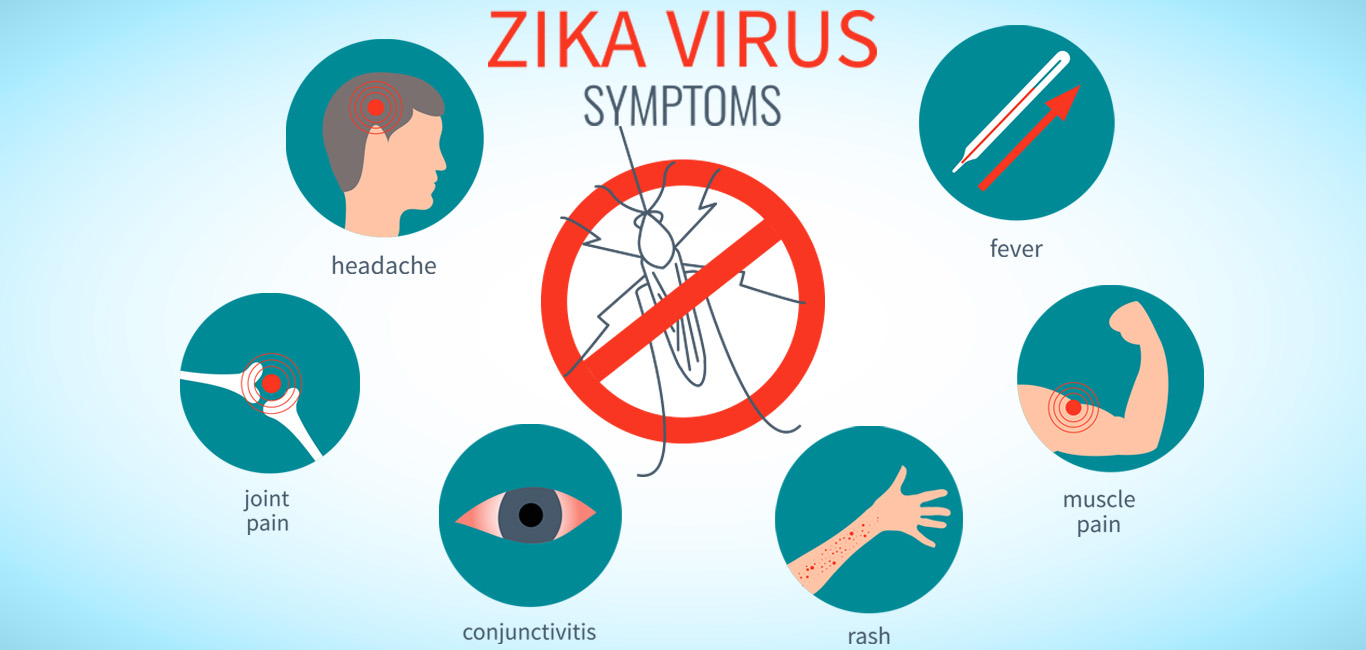
While many people infected with the Zika virus may remain asymptomatic, those who do exhibit symptoms often experience a mild illness. However, it is vital to recognize these symptoms promptly to prevent complications and further transmission.

1. Fever

A mild fever is one of the most common symptoms of Zika virus infection. The fever usually develops suddenly and can last from a few days to a week. Unlike other viral fevers, the fever associated with Zika is often low-grade, typically ranging from 37.5°C to 38.5°C (99.5°F to 101.3°F).

2. Rash

A distinctive red rash, often described as maculopapular, meaning it has both flat and raised lesions, is another hallmark symptom of Zika. The rash usually starts on the face and spreads to other parts of the body, including the trunk, arms, legs, palms, and soles. The rash may be accompanied by itching, which can be particularly bothersome.

3. Joint Pain

Joint pain, medically known as arthralgia, is a common symptom that often accompanies the rash. The pain is usually mild to moderate and can affect multiple joints, including the wrists, ankles, and knees. This symptom typically lasts for a few days to a week but can persist longer in some individuals.

4. Conjunctivitis (Red Eyes)

Zika virus infection can cause conjunctivitis, also known as “pink eye.” This symptom is characterized by redness in the white of the eyes, often accompanied by a burning sensation or a feeling of grittiness. Conjunctivitis caused by Zika is usually mild and does not produce the same amount of discharge as bacterial conjunctivitis.

5. Headache

Headaches are another common symptom associated with Zika virus infection. These headaches are typically mild to moderate in intensity and can be accompanied by other symptoms such as fever, joint pain, and a rash. In some cases, the headache can be severe and may mimic the symptoms of other viral infections.

6. Muscle Pain

Muscle pain, or myalgia, is often reported by those infected with the Zika virus. This pain can be widespread, affecting various muscle groups, and is usually accompanied by fatigue and a general feeling of malaise.

7. Fatigue

Fatigue is a less specific but common symptom of Zika virus infection. Patients often report feeling unusually tired, even after a good night’s sleep. This fatigue can persist for several days or weeks, affecting daily activities and overall quality of life.

Rare but Serious Complications

While the majority of Zika virus infections result in mild symptoms, there are rare but severe complications that can occur, particularly in vulnerable populations such as pregnant women, newborns, and individuals with pre-existing conditions.

1. Guillain-Barré Syndrome (GBS)

Guillain-Barré Syndrome (GBS) is a rare neurological disorder in which the body’s immune system mistakenly attacks the peripheral nerves. GBS can lead to muscle weakness, paralysis, and in severe cases, respiratory failure. There is a strong association between Zika virus infection and the development of GBS, although the exact mechanism remains under investigation.

2. Congenital Zika Syndrome (CZS)

Congenital Zika Syndrome (CZS) is a severe birth defect that can occur when a pregnant woman is infected with the Zika virus. CZS is characterized by a range of neurological and physical abnormalities, including microcephaly (a smaller-than-normal head size), brain damage, vision and hearing impairments, and joint deformities. The risk of CZS is highest if the mother is infected during the first trimester of pregnancy.

3. Other Neurological Complications

Apart from GBS, other neurological complications have been reported in individuals infected with the Zika virus. These include encephalitis (inflammation of the brain), meningitis (inflammation of the membranes surrounding the brain and spinal cord), and myelitis (inflammation of the spinal cord). These conditions can cause a range of symptoms, from mild confusion and drowsiness to severe neurological impairment.

Diagnosis and Testing for Zika Virus in 2024

Symptoms of Zika Virus in 2024: What You Need to Know

Accurate diagnosis of Zika virus infection is crucial for effective management and control of the disease. In 2024, the diagnosis is typically made based on a combination of clinical symptoms, travel history, and laboratory tests.

1. Molecular Testing

Molecular testing, specifically reverse transcription-polymerase chain reaction (RT-PCR), is the most reliable method for diagnosing Zika virus infection. RT-PCR detects the presence of Zika virus RNA in blood, urine, or other body fluids. This test is most effective when performed within the first week of symptom onset.

2. Serological Testing

Serological tests are used to detect antibodies (IgM and IgG) against the Zika virus in the blood. These tests are particularly useful for identifying past infections. However, cross-reactivity with other flaviviruses, such as dengue and West Nile virus, can lead to false-positive results, necessitating confirmatory testing.

Prevention and Control Measures

Preventing Zika virus infection primarily involves avoiding mosquito bites and reducing mosquito breeding sites. Here are some key prevention strategies:

1. Mosquito Control

Reducing mosquito populations is essential for controlling the spread of the Zika virus. This can be achieved through community efforts to eliminate standing water, use larvicides, and spray insecticides. Personal protective measures, such as wearing long-sleeved clothing and using mosquito repellent, are also important.

2. Safe Sexual Practices

Since Zika can be transmitted sexually, it is important to practice safe sex, particularly for individuals who have traveled to areas with active Zika virus transmission. The use of condoms can help reduce the risk of sexual transmission.

3. Travel Precautions

Travelers to areas with known Zika virus transmission should take extra precautions to avoid mosquito bites. Pregnant women, in particular, should consider postponing travel to these areas due to the risk of congenital Zika syndrome.

Conclusion

Understanding the symptoms of Zika virus infection and the potential complications is essential for early detection and prevention. As we move through 2024, public health efforts continue to focus on raising awareness, improving diagnostic capabilities, and enhancing prevention strategies to combat this virus.

Frequently Asked Questions (FAQs) About Zika Virus Symptoms in 2024

1. What are the most common symptoms of the Zika virus?

The most common symptoms of the Zika virus include mild fever, rash, joint pain, conjunctivitis (red eyes), headache, muscle pain, and fatigue. These symptoms are usually mild and last for a few days to a week.

2. Can someone be infected with the Zika virus and show no symptoms?

Yes, many people infected with the Zika virus may not show any symptoms at all. Asymptomatic cases are common, which can make it challenging to diagnose and control the spread of the virus.

3. How long do Zika virus symptoms typically last?

Zika virus symptoms generally last from a few days to a week. However, some symptoms like fatigue and joint pain may persist for a longer period in certain individuals.

4. Are there any serious complications associated with the Zika virus?

Yes, while most cases of Zika virus infection are mild, there are serious complications that can occur. These include Guillain-Barré Syndrome (GBS), which is a neurological condition that can cause muscle weakness and paralysis, and Congenital Zika Syndrome (CZS), which affects babies born to mothers infected with the virus during pregnancy and can result in severe birth defects.

5. How is the Zika virus diagnosed in 2024?

In 2024, the Zika virus is diagnosed using molecular testing like RT-PCR to detect Zika virus RNA in blood or urine, especially during the first week of symptom onset. Serological testing can also be used to detect antibodies against the virus in blood samples, though it requires careful interpretation due to potential cross-reactivity with other flaviviruses.

6. How is the Zika virus transmitted?

The Zika virus is primarily transmitted through the bite of infected Aedes mosquitoes, particularly Aedes aegypti and Aedes albopictus. It can also be transmitted through sexual contact, blood transfusion, and from a pregnant mother to her baby during pregnancy or delivery.

7. What are the key prevention strategies for Zika virus?

To prevent Zika virus infection, it is important to avoid mosquito bites by using insect repellent, wearing long-sleeved clothing, and reducing mosquito breeding sites by eliminating standing water. Practicing safe sex and taking travel precautions are also essential, especially for those traveling to areas with active Zika virus transmission.

8. Is there a vaccine for the Zika virus?

As of 2024, there is no approved vaccine for the Zika virus. Research is ongoing to develop a safe and effective vaccine, but prevention through mosquito control and personal protective measures remains the primary strategy.

9. Can Zika virus be treated?

There is no specific antiviral treatment for the Zika virus. Management focuses on relieving symptoms with rest, hydration, and pain relievers like acetaminophen. Aspirin and other non-steroidal anti-inflammatory drugs (NSAIDs) should be avoided until dengue fever is ruled out to reduce the risk of bleeding.

10. Who is at the highest risk for complications from Zika virus infection?

Pregnant women are at the highest risk due to the potential for serious birth defects associated with Congenital Zika Syndrome. Additionally, individuals with weakened immune systems or pre-existing health conditions may face an increased risk of complications from Zika virus infection.

11. Can Zika virus be spread from person to person?

Yes, the Zika virus can be spread from person to person through sexual contact and from a pregnant mother to her baby during pregnancy or childbirth. It is not spread through casual contact like touching or shaking hands.

12. How can I protect myself if I am traveling to a region with active Zika virus transmission?

If you are traveling to an area with active Zika virus transmission, use mosquito repellents, wear long-sleeved clothing, stay in places with air conditioning or window and door screens, and avoid areas with standing water. Pregnant women should consider postponing travel to these areas to avoid the risk of congenital Zika syndrome.

13. Is Zika virus still a threat in 2024?

Yes, the Zika virus remains a threat in 2024, especially in regions where Aedes mosquitoes are prevalent. Ongoing surveillance, public health education, and mosquito control efforts are crucial in managing and reducing the spread of the virus.


Symptoms of Cancer and How to Overcome Them 2024

0

Symptoms of Cancer and How to Overcome Them 2024

Symptoms of Cancer and How to Overcome Them, Cancer is a daunting diagnosis that affects millions of individuals and families worldwide. Understanding the symptoms of cancer and knowing how to manage and overcome them is essential for early detection, treatment, and improved quality of life. This comprehensive guide will explore the various symptoms associated with different types of cancer and provide strategies to help you overcome this challenging disease.

Read More: Top 10 Herbs to Fight Cancer: A Comprehensive Guide

Understanding the Symptoms of Cancer

Symptoms of Cancer and How to Overcome Them 2024

Cancer symptoms can vary widely depending on the type of cancer and its location in the body. However, some common symptoms are associated with many cancers. Recognizing these symptoms early can lead to timely diagnosis and treatment.

1. Unexplained Weight Loss

Symptoms of Cancer and How to Overcome Them 2024

One of the most common symptoms of cancer is unexplained weight loss. This can occur when cancer cells use up much of the body’s energy supply or when the immune system works hard to fight the disease. Weight loss of 10 pounds or more without a clear reason can be an early sign of cancer, particularly cancers of the pancreas, stomach, esophagus, or lung.

2. Fatigue

Symptoms of Cancer and How to Overcome Them 2024

Fatigue that doesn’t improve with rest can be a significant symptom of cancer. This type of fatigue is different from the tiredness we all experience after a long day. It can be severe and persistent, often hindering daily activities. Fatigue is commonly associated with cancers such as leukemia, colon cancer, and stomach cancer.

3. Pain

Symptoms of Cancer and How to Overcome Them 2024

Pain can be an early symptom of several cancers, including bone cancer or testicular cancer. As cancer progresses, it may cause pain in various parts of the body, depending on where it has spread. Persistent pain that does not go away with usual treatments should always be evaluated by a healthcare professional.

4. Skin Changes

Symptoms of Cancer and How to Overcome Them 2024

Changes in the skin can be indicative of skin cancer or other types of cancer. This can include new growths, sores that do not heal, or changes in existing moles or warts. Additionally, yellowing of the skin (jaundice), darkening, or redness can also signal cancer.

5. Fever

Symptoms of Cancer and How to Overcome Them 2024

A persistent fever is often a symptom of cancer. It usually indicates that cancer has spread to other parts of the body or that it is affecting the immune system. Fever is more common in cancers of the blood, such as leukemia or lymphoma, but it can also occur in other cancers.

6. Bowel or Bladder Function Changes

Symptoms of Cancer and How to Overcome Them 2024

Changes in bowel or bladder habits can be a sign of colon, bladder, or prostate cancer. Symptoms may include prolonged constipation, diarrhea, or a change in the size of the stool. Blood in the urine or stool should never be ignored, as it may indicate cancer.

7. Persistent Cough or Hoarseness

Symptoms of Cancer and How to Overcome Them 2024


A persistent cough or hoarseness that lasts for more than three weeks can be a symptom of lung cancer or cancer of the larynx (voice box). This is especially concerning for individuals who are smokers or have a history of smoking.

8. Difficulty Swallowing

Symptoms of Cancer and How to Overcome Them 2024

Difficulty swallowing (dysphagia) may be a symptom of throat cancer, esophageal cancer, or lung cancer. If swallowing becomes painful or you feel food is getting stuck in your throat, it’s important to consult a healthcare provider.

9. Unusual Bleeding or Discharge

Symptoms of Cancer and How to Overcome Them 2024

Unusual bleeding or discharge can be a sign of many cancers, including cervical, endometrial, or colorectal cancer. For instance, coughing up blood, blood in the urine, or abnormal vaginal bleeding should always be investigated promptly.

10. Lumps or Thickening

Symptoms of Cancer and How to Overcome Them 2024

A new lump or thickening in the breast, testicles, or other parts of the body can be an early or late sign of cancer. Breast cancer, for example, often presents as a lump in the breast that can be felt under the skin. Regular self-exams and screenings are vital for early detection.

How to Overcome Cancer Symptoms

Overcoming cancer and its symptoms is a journey that involves medical treatment, lifestyle changes, and emotional resilience. Here are some strategies to help manage and overcome the symptoms of cancer.

1. Seek Early Diagnosis and Treatment

The sooner cancer is diagnosed, the better the chances of successful treatment. Regular screenings, especially if you have a family history of cancer, can catch cancer early before symptoms even appear. Treatments may include surgery, chemotherapy, radiation therapy, immunotherapy, or a combination of these.

2. Adopt a Healthy Diet

A balanced diet rich in fruits, vegetables, lean proteins, and whole grains can help your body fight cancer and recover from treatment. Some foods have been shown to reduce the risk of certain cancers or slow their progression. Avoiding processed foods, sugary drinks, and excessive red meat is also advisable.

3. Exercise Regularly

Regular exercise can help alleviate some of the side effects of cancer treatment, such as fatigue and depression. It also helps maintain a healthy weight, improve circulation, and boost the immune system. Even light activities like walking or yoga can make a significant difference in your overall well-being.

4. Manage Stress

Stress management is crucial when dealing with cancer. High levels of stress can weaken the immune system and slow down recovery. Techniques such as meditation, deep breathing exercises, and mindfulness can help reduce stress levels. Support groups and counseling can also provide emotional support during this challenging time.

5. Stay Hydrated

Staying well-hydrated is important for all bodily functions, especially when battling cancer. Hydration helps flush toxins from the body, supports digestion, and prevents dehydration, which can be a side effect of some cancer treatments.

6. Follow Your Treatment Plan

Adhering strictly to your prescribed treatment plan is critical. This may include attending all scheduled medical appointments, taking medications as directed, and following any special instructions provided by your healthcare team. Never hesitate to discuss any concerns or side effects with your doctor.

7. Surround Yourself with Support

Having a strong support system can make a significant difference in your cancer journey. Family, friends, and support groups can offer emotional support, help with daily tasks, and provide a sense of normalcy. Never underestimate the power of having people who care about you by your side.

8. Stay Informed

Educating yourself about your specific type of cancer and its symptoms can empower you to make informed decisions about your treatment and care. Reliable sources of information include your healthcare provider, cancer organizations, and medical journals. Stay updated on the latest research and treatment options.

9. Consider Complementary Therapies

Some patients find relief from cancer symptoms through complementary therapies such as acupuncture, massage, or herbal supplements. Always consult with your healthcare provider before starting any new treatment to ensure it’s safe and won’t interfere with your cancer treatment.

10. Monitor Your Health Regularly

After completing cancer treatment, it’s important to continue monitoring your health. Regular follow-up appointments with your healthcare provider are crucial for detecting any signs of recurrence or managing long-term side effects. Stay vigilant and report any new symptoms to your doctor immediately.

Conclusion

Cancer is a life-altering diagnosis, but with early detection, appropriate treatment, and lifestyle adjustments, it is possible to manage and even overcome the symptoms of cancer. By understanding the symptoms, seeking timely medical advice, and taking proactive steps toward health and well-being, you can improve your chances of a successful outcome.

Frequently Asked Questions (FAQs) about Cancer Symptoms and How to Overcome Them

1. What are the early signs of cancer?

The early signs of cancer can vary depending on the type of cancer but commonly include unexplained weight loss, persistent fatigue, unexplained pain, skin changes, and unusual bleeding or discharge. Early detection is crucial for better treatment outcomes, so it’s important to consult a healthcare provider if you notice any of these symptoms.

2. Can cancer symptoms vary between individuals?

Yes, cancer symptoms can vary widely between individuals based on the type of cancer, its location in the body, and the individual’s overall health. Some people may experience symptoms early on, while others may not notice any signs until the cancer has progressed.

3. How can I differentiate between cancer symptoms and symptoms of other conditions?

It can be challenging to differentiate between cancer symptoms and those of other conditions. However, persistent or unusual symptoms that do not resolve with standard treatment or lifestyle changes should be evaluated by a healthcare professional. Diagnostic tests such as blood tests, imaging scans, and biopsies are often required to confirm a cancer diagnosis.

4. How important is early detection in cancer treatment?

Early detection is critical in cancer treatment as it significantly improves the chances of successful treatment and survival. Many cancers are more treatable when diagnosed at an early stage before they have spread to other parts of the body.

5. What lifestyle changes can help manage cancer symptoms?

Lifestyle changes that can help manage cancer symptoms include maintaining a healthy diet, engaging in regular physical activity, managing stress, staying hydrated, and avoiding tobacco and excessive alcohol consumption. These changes can support overall health and complement medical treatments.

6. Are there any specific foods that can help prevent or fight cancer?

While no single food can prevent cancer, a diet rich in fruits, vegetables, whole grains, and lean proteins is associated with a lower risk of developing cancer. Some foods, such as leafy greens, berries, and cruciferous vegetables, have been shown to contain compounds that may help fight cancer.

7. How does stress affect cancer and its symptoms?

Chronic stress can weaken the immune system, making it harder for the body to fight cancer and recover from treatment. High stress levels can also exacerbate symptoms such as fatigue and pain. Stress management techniques like meditation, deep breathing, and support groups can help reduce stress and improve overall well-being.

8. What are the common treatment options for cancer?

Common treatment options for cancer include surgery, chemotherapy, radiation therapy, immunotherapy, and targeted therapy. The choice of treatment depends on the type of cancer, its stage, and the individual’s overall health. Often, a combination of treatments is used for the best outcome.

9. Can complementary therapies help with cancer symptoms?

Complementary therapies such as acupuncture, massage, and herbal supplements can provide relief from cancer symptoms and side effects of treatment, such as nausea and pain. However, it’s important to consult with your healthcare provider before starting any complementary therapy to ensure it’s safe and won’t interfere with your primary cancer treatment.

10. What should I do if I notice new or worsening symptoms after cancer treatment?

If you notice new or worsening symptoms after cancer treatment, it’s important to contact your healthcare provider immediately. Regular follow-up appointments and monitoring are crucial for detecting any signs of recurrence or managing long-term side effects.

11. How can I support a loved one who is experiencing cancer symptoms?

Supporting a loved one with cancer involves offering emotional support, helping with daily tasks, and being there to listen. Encouraging them to follow their treatment plan and attend medical appointments is also important. Sometimes, just being present and providing a sense of normalcy can make a significant difference.

12. Is it possible to fully recover from cancer?

Many people do fully recover from cancer, especially when it is detected early and treated effectively. However, recovery depends on various factors, including the type and stage of cancer, the individual’s overall health, and how they respond to treatment. Ongoing monitoring and a healthy lifestyle are essential for long-term recovery.

Top 10 Herbs to Fight Cancer: A Comprehensive Guide

0

Top 10 Herbs to Fight Cancer: A Comprehensive Guide

Top 10 Herbs to Fight Cancer, Cancer is a devastating disease that affects millions of people worldwide. While conventional treatments like chemotherapy, radiation, and surgery are often the primary approaches to combating cancer, many are turning to natural remedies and herbal supplements to support their health and fight this disease. Numerous herbs have shown promise in the prevention and treatment of cancer, backed by scientific research and traditional usage. Below, we delve into the top 10 herbs known for their potential in battling cancer.

Read More: Top 10 Iron-Rich Foods in 2024: Boost Your Health with These Nutrient-Packed Choices

1. Turmeric (Curcuma longa)

Top 10 Herbs to Fight Cancer: A Comprehensive Guide

Turmeric, specifically its active compound curcumin, has been extensively studied for its anti-cancer properties. Curcumin is a potent anti-inflammatory and antioxidant that can inhibit the growth of cancer cells and reduce the spread of tumors. Research indicates that curcumin may be effective against various types of cancer, including breast, prostate, lung, and colon cancers. Incorporating turmeric into your diet, or taking it as a supplement, could potentially support your body’s fight against cancer.

How to Use Turmeric

  • Dietary Inclusion: Add turmeric to your meals, such as curries, soups, and smoothies.
  • Supplements: Curcumin supplements are available, often in combination with black pepper (piperine) to enhance absorption.

2. Green Tea (Camellia sinensis)

Top 10 Herbs to Fight Cancer: A Comprehensive Guide

Green tea is rich in catechins, particularly epigallocatechin gallate (EGCG), which is known for its anti-cancer effects. EGCG can inhibit cancer cell growth, reduce tumor size, and prevent metastasis. Studies have shown that green tea consumption is associated with a reduced risk of several cancers, including breast, prostate, and lung cancer.

How to Use Green Tea

  • Daily Beverage: Drink 2-3 cups of freshly brewed green tea daily.
  • Supplements: Green tea extract supplements are available for a more concentrated dose.

3. Garlic (Allium sativum)

Top 10 Herbs to Fight Cancer: A Comprehensive Guide

Garlic has been used for centuries for its medicinal properties, and modern research supports its use in cancer prevention. The sulfur compounds in garlic, such as allicin, have been shown to have anti-cancer properties, particularly in reducing the risk of stomach, colon, and prostate cancers. Garlic can enhance the immune system’s ability to fight cancer and may inhibit the growth of cancer cells.

How to Use Garlic

  • Raw or Cooked: Include garlic in your daily cooking, or eat it raw to maximize its benefits.
  • Supplements: Garlic supplements are available, often in odorless forms.

4. Ginger (Zingiber officinale)

Top 10 Herbs to Fight Cancer: A Comprehensive Guide

Ginger is widely known for its ability to reduce nausea, but it also has anti-cancer properties. The active compounds in ginger, such as gingerol and shogaol, have been shown to induce apoptosis (programmed cell death) in cancer cells and inhibit tumor growth. Ginger may be particularly effective against ovarian and colon cancers.

How to Use Ginger

  • Fresh or Dried: Add fresh or dried ginger to your meals, teas, or smoothies.
  • Supplements: Ginger supplements are available for a more concentrated effect.

5. Reishi Mushroom (Ganoderma lucidum)

Top 10 Herbs to Fight Cancer: A Comprehensive Guide

Reishi mushrooms have been used in traditional Chinese medicine for thousands of years, particularly for their immune-boosting properties. Reishi contains compounds such as triterpenes and polysaccharides, which have been shown to inhibit cancer cell growth and enhance the immune system’s response to cancer. Reishi mushrooms may be beneficial for patients with breast, prostate, and lung cancers.

How to Use Reishi Mushroom

  • Mushroom Extracts: Reishi is available as a supplement in the form of capsules, powders, or tinctures.
  • Tea: Reishi mushroom tea is another way to incorporate this powerful herb into your daily routine.

6. Milk Thistle (Silybum marianum)

Top 10 Herbs to Fight Cancer: A Comprehensive Guide

Milk thistle is best known for its liver-protective effects, but it also has potential in cancer treatment. The active compound in milk thistle, silymarin, has been shown to protect against DNA damage, inhibit cancer cell growth, and reduce the side effects of chemotherapy. It may be particularly useful for liver cancer patients and those undergoing treatment that affects liver function.

How to Use Milk Thistle

  • Supplements: Milk thistle supplements are widely available in capsule or tablet form.
  • Tea: Milk thistle tea can be consumed for its health benefits.

7. Ashwagandha (Withania somnifera)


Ashwagandha is a powerful adaptogen that heTop 10 Herbs to Fight Cancer: A Comprehensive Guidelps the body manage stress, which can be crucial in cancer prevention and treatment. The active compounds in ashwagandha, known as withanolides, have been shown to have anti-cancer effects, including inducing apoptosis in cancer cells and preventing the spread of tumors. Ashwagandha may be beneficial for patients with breast, lung, and colon cancers.

How to Use Ashwagandha

  • Supplements: Ashwagandha is available in capsule, powder, and tincture forms.
  • Tea: Ashwagandha tea can be consumed to harness its benefits.

8. Holy Basil (Ocimum sanctum)

Top 10 Herbs to Fight Cancer: A Comprehensive Guide

Holy basil, also known as Tulsi, is revered in Ayurvedic medicine for its medicinal properties. It has anti-inflammatory, antioxidant, and anti-cancer properties. Research indicates that holy basil can inhibit the growth of cancer cells and reduce the spread of tumors, particularly in lung and oral cancers.

How to Use Holy Basil

  • Tea: Holy basil tea is a popular way to enjoy its benefits.
  • Supplements: Holy basil supplements are available in capsule or tincture form.

9. Ginseng (Panax ginseng)

Top 10 Herbs to Fight Cancer: A Comprehensive Guide

Ginseng is a well-known herb in traditional medicine, particularly in Asia. Ginsenosides, the active compounds in ginseng, have been shown to have anti-cancer effects, including inhibiting cancer cell growth, reducing inflammation, and boosting the immune system. Ginseng may be particularly beneficial for patients with breast, colorectal, and lung cancers.

How to Use Ginseng

  • Supplements: Ginseng is available in capsules, powders, and tinctures.
  • Tea: Ginseng tea is a common way to consume this herb.

10. Flaxseed (Linum usitatissimum)

Top 10 Herbs to Fight Cancer: A Comprehensive Guide

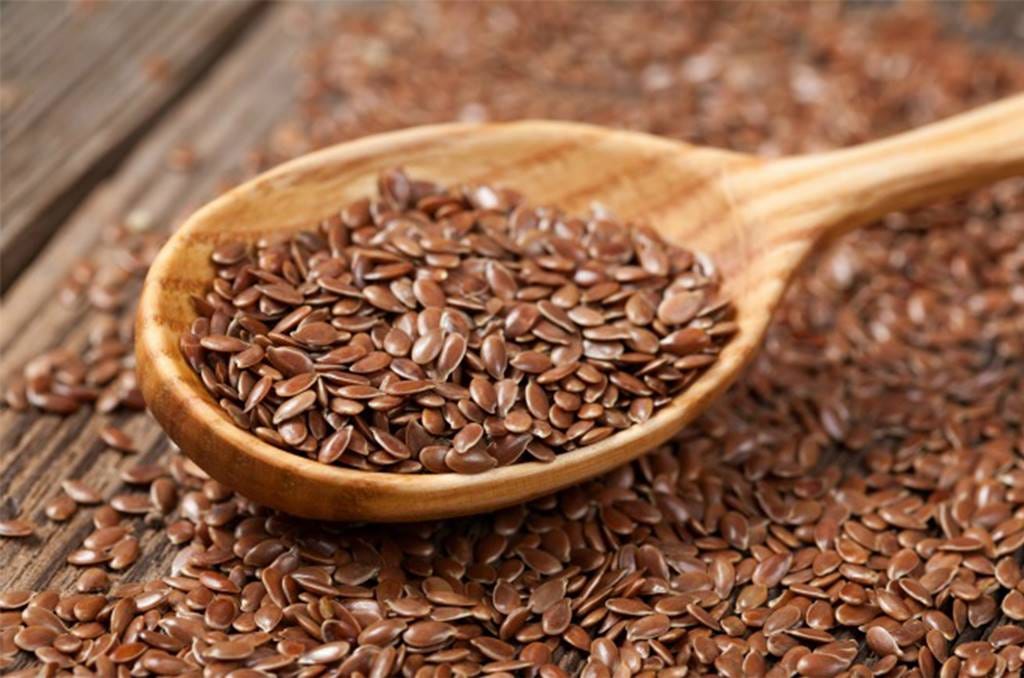
While not an herb in the traditional sense, flaxseed is a potent natural remedy with anti-cancer properties. Flaxseed is rich in lignans and omega-3 fatty acids, both of which have been shown to reduce cancer risk, particularly in breast and prostate cancers. Lignans can inhibit the growth of cancer cells and prevent metastasis.

How to Use Flaxseed

  • Ground Flaxseed: Add ground flaxseed to smoothies, oatmeal, or baked goods.
  • Flaxseed Oil: Flaxseed oil can be used as a salad dressing or taken as a supplement.

Conclusion

Incorporating these herbs into your daily routine may provide a natural way to support your body in its fight against cancer. While these herbs show promise, they should not replace conventional treatments but can be used as complementary therapies. Always consult with a healthcare provider before starting any new herbal regimen, especially if you are undergoing cancer treatment.

Frequently Asked Questions (FAQs) related to the article on “Top 10 Herbs to Fight Cancer”:

1. Can these herbs cure cancer?

No, these herbs are not a cure for cancer. They have shown potential in research to support the body’s natural defenses, reduce the side effects of conventional treatments, and help inhibit the growth of cancer cells. However, they should be used as complementary therapies alongside conventional treatments such as chemotherapy, radiation, and surgery.

2. Should I replace my prescribed cancer treatment with these herbs?

No, it is crucial to continue with your prescribed cancer treatment. These herbs can be used to support your health during treatment but should never replace conventional therapies. Always consult your oncologist or healthcare provider before adding any herbal remedies to your treatment plan.

3. How do these herbs work against cancer?

These herbs contain active compounds that have anti-inflammatory, antioxidant, and anti-cancer properties. They may help reduce the growth of cancer cells, prevent metastasis, and enhance the immune system’s ability to fight cancer. Some herbs may also help reduce the side effects of conventional treatments.

4. Are there any side effects of using these herbs?

While many of these herbs are generally considered safe, they can cause side effects or interact with other medications. For example, high doses of turmeric can cause stomach upset, and garlic may thin the blood. It’s important to use these herbs under the guidance of a healthcare professional, especially if you are undergoing cancer treatment.

5. Can I use these herbs if I am already taking other medications?

Some herbs can interact with medications, including those used in cancer treatment. For example, garlic can enhance the effects of blood-thinning medications, and turmeric may interfere with certain chemotherapy drugs. Always consult with your healthcare provider before adding any herbs to your regimen if you are taking other medications.

6. How should I consume these herbs for the best effect?

These herbs can be consumed in various forms, including fresh, dried, teas, and supplements. The best form depends on the herb and your personal preferences. For instance, turmeric can be added to food, taken as a supplement, or brewed into tea. It’s important to follow recommended dosages and seek advice from a healthcare professional.

7. Are these herbs safe for everyone to use?

While these herbs are generally safe, certain individuals, such as pregnant or breastfeeding women, people with allergies, or those with specific health conditions, may need to avoid certain herbs. Always consult with a healthcare provider to ensure these herbs are safe for your specific situation.

8. How long should I take these herbs?

The duration for taking these herbs can vary depending on your health condition and treatment goals. Some herbs may be safe for long-term use, while others should only be used for a short period. It’s best to discuss the appropriate duration with a healthcare professional.

9. Where can I purchase these herbs?

These herbs can be found at health food stores, pharmacies, and online retailers. When purchasing supplements, it’s important to choose high-quality products from reputable brands to ensure safety and efficacy.

10. Can these herbs prevent cancer?

Some studies suggest that these herbs may help reduce the risk of developing cancer by protecting cells from damage, reducing inflammation, and supporting the immune system. However, no herb can guarantee cancer prevention. A healthy lifestyle, including a balanced diet, regular exercise, and avoiding known cancer risk factors, remains essential.

Top 10 Iron-Rich Foods in 2024: Boost Your Health with These Nutrient-Packed Choices

0

Top 10 Iron-Rich Foods in 2024: Boost Your Health with These Nutrient-Packed Choices

Top 10 Iron-Rich Foods in 2024, Iron is a vital mineral that plays a critical role in maintaining our overall health. It is essential for producing hemoglobin, a protein in red blood cells that carries oxygen throughout the body. A deficiency in iron can lead to anemia, fatigue, and a weakened immune system. To ensure you’re getting enough iron in your diet, it’s crucial to consume foods rich in this nutrient. In 2024, we have compiled a list of the top 10 iron-rich foods that will help you maintain optimal health and vitality.

Read More: Top 10 Super-foods for Newborn Babies

1. Spinach: The Nutrient-Dense Powerhouse

Top 10 Iron-Rich Foods in 2024: Boost Your Health with These Nutrient-Packed Choices

Spinach is a leafy green vegetable that is loaded with iron, making it an excellent choice for anyone looking to increase their iron intake. Just one cup of cooked spinach provides about 6.4 milligrams of iron, which is about 36% of the daily recommended intake for women. Spinach is also rich in vitamins A, C, and K, as well as magnesium, calcium, and antioxidants that support overall health.

How to Include Spinach in Your Diet

Incorporate spinach into your diet by adding it to salads, smoothies, or sautéing it as a side dish. You can also use spinach as a base for a nutrient-packed green juice.

2. Lentils: A Protein-Packed Iron Source

Top 10 Iron-Rich Foods in 2024: Boost Your Health with These Nutrient-Packed Choices

Lentils are a type of legume that is not only high in iron but also a great source of plant-based protein. One cup of cooked lentils contains about 6.6 milligrams of iron, which is roughly 37% of the daily recommended intake. Lentils are also rich in fiber, folate, and other essential nutrients, making them a versatile and nutritious addition to any meal.

How to Include Lentils in Your Diet

Lentils can be used in soups, stews, salads, or as a meat substitute in various dishes. They are easy to cook and can be flavored with herbs and spices to create a satisfying meal.

3. Red Meat: A High-Quality Iron Source

Top 10 Iron-Rich Foods in 2024: Boost Your Health with These Nutrient-Packed Choices

Red meat, particularly beef, is one of the most well-known sources of heme iron, which is more easily absorbed by the body than non-heme iron found in plant-based foods. A 3-ounce serving of cooked beef provides about 2.7 milligrams of iron, or 15% of the daily recommended intake for women. Red meat is also rich in protein, B vitamins, and zinc.

How to Include Red Meat in Your Diet

Include lean cuts of beef, lamb, or pork in your diet by grilling, roasting, or stir-frying. Be mindful of portion sizes and opt for grass-fed, organic meat when possible for added health benefits.

4. Quinoa: The Ancient Grain Rich in Iron

Top 10 Iron-Rich Foods in 2024: Boost Your Health with These Nutrient-Packed Choices


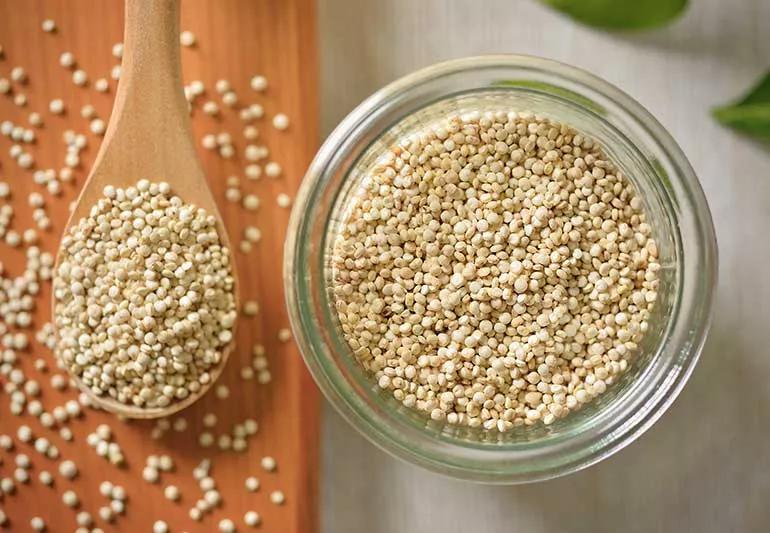
Quinoa is a gluten-free grain that is not only high in protein but also a good source of iron. One cup of cooked quinoa provides about 2.8 milligrams of iron, or 15% of the daily recommended intake. Quinoa is also rich in essential amino acids, making it a complete protein source, along with fiber, magnesium, and antioxidants.

How to Include Quinoa in Your Diet

Quinoa can be used as a base for salads, as a side dish, or as a substitute for rice or pasta. It can also be added to soups and stews for an extra nutrient boost.

5. Pumpkin Seeds: The Iron-Rich Snack

Top 10 Iron-Rich Foods in 2024: Boost Your Health with These Nutrient-Packed Choices

Pumpkin seeds are a nutritious snack that is surprisingly high in iron. A 1-ounce serving of pumpkin seeds contains about 2.5 milligrams of iron, which is around 14% of the daily recommended intake. In addition to iron, pumpkin seeds are rich in magnesium, zinc, and healthy fats that support heart health.

How to Include Pumpkin Seeds in Your Diet

Enjoy pumpkin seeds as a snack, sprinkle them on salads or yogurt, or add them to your favorite trail mix. They can also be used as a crunchy topping for soups and baked goods.

6. Chickpeas: The Versatile Legume

Top 10 Iron-Rich Foods in 2024: Boost Your Health with These Nutrient-Packed Choices

Chickpeas, also known as garbanzo beans, are another excellent plant-based source of iron. One cup of cooked chickpeas provides about 4.7 milligrams of iron, or 26% of the daily recommended intake. Chickpeas are also rich in protein, fiber, and essential nutrients like folate and manganese.

How to Include Chickpeas in Your Diet

Chickpeas can be used in a variety of dishes, including salads, stews, and curries. They can also be roasted for a crunchy snack or blended into hummus for a delicious dip.

7. Tofu: The Iron-Rich Meat Alternative

Top 10 Iron-Rich Foods in 2024: Boost Your Health with These Nutrient-Packed Choices

Tofu, made from soybeans, is a popular meat alternative that is high in iron. A half-cup serving of tofu provides about 3.4 milligrams of iron, which is around 19% of the daily recommended intake. Tofu is also a good source of plant-based protein, calcium, and other essential nutrients.

How to Include Tofu in Your Diet

Tofu can be grilled, stir-fried, or added to soups and stews. It absorbs the flavors of the ingredients it is cooked with, making it a versatile ingredient in various cuisines.

8. Dark Chocolate: A Sweet Source of Iron

Top 10 Iron-Rich Foods in 2024: Boost Your Health with These Nutrient-Packed Choices

Dark chocolate is not only a delicious treat but also a surprisingly good source of iron. A 1-ounce serving of dark chocolate (70-85% cocoa) contains about 3.4 milligrams of iron, or 19% of the daily recommended intake. Dark chocolate is also rich in antioxidants, which can help protect your body from oxidative stress.

How to Include Dark Chocolate in Your Diet

Enjoy a small piece of dark chocolate as a snack or dessert, or add it to smoothies, oatmeal, or yogurt for a sweet and nutritious boost.

9. Oysters: The Iron-Rich Seafood

Top 10 Iron-Rich Foods in 2024: Boost Your Health with These Nutrient-Packed Choices

Oysters are one of the richest sources of heme iron, with just 3 ounces of cooked oysters providing about 8 milligrams of iron, or 44% of the daily recommended intake. In addition to iron, oysters are high in zinc, vitamin B12, and other essential nutrients that support overall health.

How to Include Oysters in Your Diet

Oysters can be enjoyed raw, grilled, or baked. They make a delicious appetizer or main dish and can be paired with lemon juice, garlic, or herbs for added flavor.

10. Fortified Cereals: The Convenient Iron Boost

Top 10 Iron-Rich Foods in 2024: Boost Your Health with These Nutrient-Packed Choices


Many breakfast cereals are fortified with iron, making them a convenient way to increase your iron intake. Depending on the brand, a serving of fortified cereal can provide anywhere from 3.5 to 18 milligrams of iron, covering a significant portion of your daily needs. Fortified cereals are also often enriched with other vitamins and minerals, including B vitamins, calcium, and vitamin D.

How to Include Fortified Cereals in Your Diet

Choose a low-sugar, whole-grain cereal for the most nutritional benefit. Pair it with milk or a dairy-free alternative and top with fresh fruit for a balanced breakfast.

Conclusion

Incorporating iron-rich foods into your diet is essential for maintaining optimal health and preventing iron deficiency. From leafy greens like spinach to protein-packed lentils, there are plenty of delicious and nutritious options to choose from. By including a variety of these top 10 iron-rich foods in your meals, you can ensure you’re meeting your daily iron needs and supporting your overall well-being.

FAQs on Iron-Rich Foods

1. Why is iron important for the body?
Iron is crucial for the production of hemoglobin, a protein in red blood cells that carries oxygen throughout the body. It also plays a role in maintaining energy levels, supporting the immune system, and aiding cognitive function.

2. How much iron do I need daily?
The recommended daily intake of iron varies by age, gender, and life stage. Adult men typically need about 8 milligrams per day, while women aged 19-50 need 18 milligrams per day. Pregnant women require even more, around 27 milligrams daily.

3. What are the symptoms of iron deficiency?
Common symptoms of iron deficiency include fatigue, weakness, pale skin, shortness of breath, dizziness, and brittle nails. Severe deficiency can lead to anemia, which requires medical attention.

4. Are there different types of iron in foods?
Yes, there are two types of dietary iron: heme and non-heme iron. Heme iron is found in animal products like red meat and seafood and is more easily absorbed by the body. Non-heme iron is found in plant-based foods like spinach and lentils and is less easily absorbed.

5. Can I get enough iron from a vegetarian or vegan diet?
Yes, it is possible to meet your daily iron needs on a vegetarian or vegan diet by consuming a variety of iron-rich plant foods, such as lentils, spinach, quinoa, and fortified cereals. Pairing these foods with vitamin C-rich items like citrus fruits can enhance iron absorption.

6. What foods should I avoid when trying to increase iron absorption?
Certain foods and beverages, such as tea, coffee, dairy products, and foods high in calcium, can inhibit iron absorption. It’s best to consume these items separately from iron-rich meals to maximize absorption.

7. Is it possible to have too much iron?
Yes, excessive iron intake can lead to iron toxicity, which can cause symptoms like nausea, vomiting, abdominal pain, and organ damage. It’s important to stick to recommended iron levels and consult a healthcare provider if you suspect you need supplementation.

8. How can I improve iron absorption from plant-based foods?
To improve iron absorption from plant-based sources, pair them with foods high in vitamin C, such as oranges, strawberries, or bell peppers. Avoid drinking tea or coffee with your meals, as these can inhibit absorption.

9. Are there any medical conditions that affect iron absorption?
Yes, certain medical conditions, such as celiac disease, Crohn’s disease, and certain genetic disorders, can impair iron absorption. If you have a condition that affects nutrient absorption, it’s important to consult with a healthcare provider for personalized advice.

10. Should I take iron supplements?
Iron supplements should only be taken under the guidance of a healthcare provider, especially since excess iron can be harmful. If you’re unable to meet your iron needs through diet alone, your doctor may recommend a supplement.

Overcoming Anxiety in 2024: Proven Strategies for Lasting Relief

0

Overcoming Anxiety in 2024: Proven Strategies for Lasting Relief

Overcoming Anxiety in 2024, Anxiety has become a common mental health challenge in today’s fast-paced world. The pressures of modern life, coupled with unprecedented global events, have made managing anxiety more crucial than ever. In 2024, overcoming anxiety requires a combination of proven strategies, mindful practices, and a commitment to personal well-being. This article provides a comprehensive guide to effectively manage and reduce anxiety, helping you regain control of your life.

Read More: Overcoming Anxiety and Panic Attacks in 2024 Strategies for Mental Well-being

Understanding Anxiety: What It Is and How It Affects You

Overcoming Anxiety in 2024: Proven Strategies for Lasting Relief

Anxiety is a natural response to stress, characterized by feelings of fear, worry, and unease. While occasional anxiety is normal, chronic anxiety can interfere with daily life, affecting your mental, emotional, and physical health. The symptoms of anxiety can range from mild to severe and may include restlessness, rapid heartbeat, excessive sweating, and difficulty concentrating.

In 2024, understanding the root causes of anxiety is essential. Factors such as genetic predisposition, environmental stressors, and lifestyle choices all play a role in the development of anxiety disorders. By identifying the specific triggers of your anxiety, you can take targeted steps to address and manage it effectively.

The Importance of Early Intervention

Overcoming Anxiety in 2024: Proven Strategies for Lasting Relief

Early intervention is key to overcoming anxiety. The longer anxiety is left unaddressed, the more deeply it can become entrenched in your daily life. If you recognize the signs of anxiety, it’s important to seek help sooner rather than later. Cognitive-behavioral therapy (CBT) is one of the most effective forms of treatment for anxiety, helping individuals identify and change negative thought patterns.

In 2024, there is a growing recognition of the importance of mental health care. Access to therapy, support groups, and online resources has improved, making it easier for people to seek help. Don’t wait until anxiety becomes overwhelming—early intervention can prevent the escalation of symptoms and improve your quality of life.

Practical Strategies for Managing Anxiety in 2024

Overcoming Anxiety in 2024: Proven Strategies for Lasting Relief

Overcoming anxiety requires a multifaceted approach that includes lifestyle changes, mental health care, and self-help strategies. Here are some of the most effective methods to manage anxiety in 2024:

1. Practice Mindfulness and Meditation

Mindfulness is a powerful tool for managing anxiety. It involves staying present in the moment and observing your thoughts and feelings without judgment. Regular mindfulness practice can help reduce anxiety by calming the mind and promoting relaxation.

Meditation complements mindfulness by providing a structured way to focus your thoughts and achieve a state of calm. In 2024, there are numerous apps and online resources available that guide you through mindfulness and meditation practices, making it easier than ever to incorporate these techniques into your daily routine.

2. Incorporate Regular Physical Activity

Physical activity is a natural anxiety reliever. Exercise releases endorphins, which are chemicals in the brain that act as natural painkillers and mood elevators. In 2024, finding time for regular exercise is crucial for managing anxiety.

Whether it’s a brisk walk, yoga, or a more intense workout, exercise helps to reduce stress hormones and improve your overall sense of well-being. Aim for at least 30 minutes of physical activity most days of the week to experience the benefits.

3. Maintain a Healthy Diet

What you eat can have a significant impact on your mental health. A diet rich in fruits, vegetables, whole grains, and lean proteins can help stabilize your mood and reduce anxiety.

In 2024, there is a greater emphasis on the connection between nutrition and mental health. Avoiding caffeine, sugar, and processed foods can help reduce anxiety symptoms. Incorporate foods rich in omega-3 fatty acids, such as salmon and walnuts, which have been shown to have a positive effect on mental health.

4. Prioritize Sleep

Sleep and anxiety are closely linked. Poor sleep can exacerbate anxiety, and anxiety can make it difficult to sleep. In 2024, improving your sleep hygiene is a critical step in managing anxiety.

Establish a consistent sleep routine by going to bed and waking up at the same time every day. Create a calming bedtime routine that includes activities like reading or taking a warm bath. Avoid screens before bed, as the blue light emitted by phones and computers can interfere with sleep.

5. Challenge Negative Thoughts

Anxiety often stems from negative thought patterns. In 2024, cognitive-behavioral techniques are widely used to help individuals challenge and reframe these thoughts.

When you notice negative thoughts, take a moment to question their validity. Are they based on facts, or are they distortions of reality? By replacing negative thoughts with more balanced ones, you can reduce anxiety and improve your overall outlook on life.

6. Seek Professional Help When Needed

Sometimes, self-help strategies are not enough to manage anxiety. In 2024, there is no stigma in seeking professional help for anxiety. Therapists, counselors, and psychiatrists are equipped to provide the support you need to overcome anxiety.

Cognitive-behavioral therapy (CBT), exposure therapy, and medication are all effective treatments for anxiety. Don’t hesitate to reach out to a mental health professional if your anxiety is interfering with your daily life.

Embracing a Balanced Lifestyle

Overcoming Anxiety in 2024: Proven Strategies for Lasting Relief

In 2024, overcoming anxiety is not just about managing symptoms; it’s about creating a balanced and fulfilling life. By embracing a holistic approach to mental health, you can reduce anxiety and build resilience against future stressors.

Social Connections: Building strong social connections is crucial for mental health. Surround yourself with supportive friends and family members who can provide emotional support during difficult times.

Stress Management: Learning to manage stress is essential for overcoming anxiety. Techniques such as deep breathing, progressive muscle relaxation, and time management can help you cope with stress more effectively.

Self-Care: Prioritizing self-care is key to maintaining mental health. Set aside time each day for activities that bring you joy and relaxation, whether it’s reading, gardening, or spending time with loved ones.

Case Study: Overcoming Anxiety in 2024 – A Comprehensive Approach

Background

In early 2024, Maria, a 34-year-old marketing executive, began experiencing overwhelming anxiety due to the increasing demands of her job. Her role required her to manage multiple high-pressure projects, coordinate with international teams across different time zones, and continuously stay on top of industry trends. These responsibilities, combined with the stress of balancing her personal life, led to symptoms of chronic anxiety.

Maria’s anxiety manifested as constant worry, difficulty concentrating, irritability, and frequent panic attacks. Despite her best efforts to manage these symptoms on her own, Maria found that her anxiety was beginning to negatively impact her work performance and personal relationships. Recognizing the need for a change, she decided to seek help and explore a holistic approach to managing her anxiety.

Step 1: Seeking Professional Help

Maria’s first step was to consult with a mental health professional. She found a therapist who specialized in cognitive-behavioral therapy (CBT), a proven method for treating anxiety. During her sessions, Maria learned to identify the negative thought patterns that were fueling her anxiety and began working on strategies to challenge and reframe these thoughts.

For example, Maria often worried about making mistakes at work and feared that even small errors would lead to significant consequences. Through CBT, she learned to recognize this as a cognitive distortion and started practicing more balanced thinking. Instead of assuming the worst, she reminded herself that mistakes are a normal part of the learning process and that she was capable of handling challenges effectively.

Step 2: Incorporating Mindfulness and Meditation

At her therapist’s recommendation, Maria began incorporating mindfulness and meditation into her daily routine. She started with just five minutes of meditation each morning, focusing on her breath and practicing letting go of intrusive thoughts. Over time, she extended her meditation sessions and found that this practice helped her start the day with a calmer, more focused mindset.

Maria also integrated mindfulness into her workday. Whenever she felt overwhelmed, she took a few minutes to practice deep breathing and bring her attention back to the present moment. This simple practice made a significant difference in how she responded to stressful situations, allowing her to approach challenges with greater clarity and composure.

Step 3: Making Lifestyle Changes

Recognizing the importance of physical health in managing anxiety, Maria made several lifestyle changes. She began prioritizing regular physical activity, committing to a mix of yoga and brisk walking five days a week. This exercise routine not only improved her physical fitness but also helped to regulate her mood and reduce the physical symptoms of anxiety, such as tension and restlessness.

Maria also made changes to her diet. She cut back on caffeine, which had been contributing to her feelings of jitteriness and increased anxiety. Instead, she focused on a balanced diet rich in fruits, vegetables, whole grains, and lean proteins. She also incorporated foods high in omega-3 fatty acids, such as salmon and flaxseeds, after learning about their potential benefits for mental health.

Sleep was another area Maria addressed. Understanding the connection between sleep and anxiety, she established a consistent sleep routine. She went to bed and woke up at the same time each day, created a relaxing bedtime routine, and limited screen time before bed. As a result, Maria noticed a significant improvement in her sleep quality, which in turn helped to reduce her anxiety levels.

Step 4: Building a Support System

Maria knew that social support was crucial for managing anxiety, so she made an effort to strengthen her relationships with friends and family. She began scheduling regular catch-ups with close friends and reached out to a few colleagues she trusted to share her experiences. These conversations provided her with emotional support and a sense of connection, which was especially important during challenging times.

Maria also joined a local support group for individuals dealing with anxiety. This group offered a safe space to share her experiences, learn from others, and gain new insights into managing anxiety. The support group became an important part of her overall strategy for overcoming anxiety, providing her with both practical advice and emotional encouragement.

Step 5: Ongoing Maintenance and Reflection

Over the course of several months, Maria noticed a significant reduction in her anxiety symptoms. While she still experienced moments of stress, she now had the tools and strategies to manage these feelings effectively. Maria continued her therapy sessions, but on a less frequent basis, as she felt more confident in her ability to handle anxiety independently.

Maria also made it a point to regularly reflect on her progress. She kept a journal where she recorded her thoughts, feelings, and the techniques that had worked best for her. This reflection helped her stay mindful of her mental health and allowed her to adjust her strategies as needed.

Outcomes

By mid-2024, Maria had successfully managed to overcome the worst of her anxiety. She felt more in control of her thoughts and emotions and was able to approach both her work and personal life with renewed confidence. Her performance at work improved, and she found herself enjoying her job more, free from the constant worry that had previously overshadowed her success.

Maria’s personal relationships also benefited from her reduced anxiety. She was more present and engaged with her family and friends, and her overall sense of well-being improved. The combination of professional help, lifestyle changes, and a strong support system had enabled Maria to regain control of her life and thrive in the face of challenges.

Conclusion: Taking Control of Your Anxiety in 2024

Overcoming anxiety in 2024 requires a proactive approach. By understanding the root causes of anxiety, seeking early intervention, and incorporating practical strategies into your daily life, you can regain control and lead a more peaceful, fulfilling life. Remember, you are not alone in your journey—resources and support are available to help you every step of the way.

Maria’s case is a powerful example of how a comprehensive approach to managing anxiety can lead to significant improvements in mental health and overall well-being. By seeking professional help, incorporating mindfulness, making lifestyle changes, building a support system, and maintaining an ongoing commitment to self-care, Maria was able to overcome anxiety and achieve a more balanced, fulfilling life.

FAQs: Overcoming Anxiety in 2024

1. What are the most common symptoms of anxiety?

Anxiety symptoms vary from person to person, but common signs include:

  • Persistent worry or fear
  • Restlessness or feeling on edge
  • Difficulty concentrating
  • Rapid heartbeat
  • Shortness of breath
  • Sweating and trembling
  • Irritability
  • Trouble sleeping
  • Gastrointestinal issues

If you experience these symptoms regularly and they interfere with your daily life, it may be time to seek help.

2. How can mindfulness help with anxiety?

Mindfulness involves staying present in the moment and observing your thoughts without judgment. It helps reduce anxiety by calming the mind and allowing you to focus on the present rather than worrying about the future. Regular mindfulness practice can lower stress levels and improve overall mental well-being.

3. What is Cognitive-Behavioral Therapy (CBT) and how does it work for anxiety?

Cognitive-Behavioral Therapy (CBT) is a type of psychotherapy that focuses on identifying and changing negative thought patterns that contribute to anxiety. Through CBT, you learn to challenge irrational fears and replace them with more balanced, realistic thoughts. This therapy is highly effective in reducing anxiety symptoms and providing long-term coping strategies.

4. How important is exercise in managing anxiety?

Exercise plays a crucial role in managing anxiety. Physical activity releases endorphins, which are natural mood lifters. Regular exercise can reduce stress hormones, improve sleep, and enhance overall well-being, making it an effective tool for reducing anxiety.

5. What dietary changes can help reduce anxiety?

A balanced diet can have a significant impact on anxiety levels. To help manage anxiety, focus on:

  • Reducing caffeine and sugar intake, as they can increase anxiety.
  • Eating a variety of fruits, vegetables, whole grains, and lean proteins.
  • Including foods rich in omega-3 fatty acids, such as salmon and walnuts, which support brain health.
  • Staying hydrated and avoiding processed foods.

6. How does sleep affect anxiety?

Sleep and anxiety are closely linked. Poor sleep can exacerbate anxiety, and anxiety can make it difficult to sleep. Improving sleep hygiene—such as establishing a consistent sleep schedule, creating a relaxing bedtime routine, and limiting screen time before bed—can help reduce anxiety and improve overall mental health.

7. When should I seek professional help for anxiety?

You should consider seeking professional help if:

  • Your anxiety is persistent and interferes with your daily life.
  • Self-help strategies are not effective in managing your symptoms.
  • You experience panic attacks or severe anxiety that impacts your ability to function.

Mental health professionals, such as therapists and psychiatrists, can provide effective treatment options, including Cognitive-Behavioral Therapy (CBT), exposure therapy, and medication.

8. Can anxiety be completely cured?

While anxiety may not be completely “cured,” it can be effectively managed with the right strategies and support. Many people with anxiety learn to live fulfilling lives by using tools like therapy, mindfulness, lifestyle changes, and medication when necessary. The goal is to reduce the impact of anxiety on your life and develop coping mechanisms that help you navigate challenges.

9. How can I support a loved one who is struggling with anxiety?

Supporting someone with anxiety involves:

  • Listening without judgment and offering emotional support.
  • Encouraging them to seek professional help if needed.
  • Being patient and understanding that anxiety is a real and challenging condition.
  • Helping them engage in activities that reduce anxiety, such as exercise, mindfulness, or hobbies.
  • Avoiding pressure or criticism, which can increase their anxiety.

10. What role does a support system play in overcoming anxiety?

A strong support system is essential in managing anxiety. Friends, family, and support groups provide emotional encouragement, practical advice, and a sense of connection. Having people to talk to and rely on can reduce feelings of isolation and help individuals feel more confident in managing their anxiety.

Comprehensive Guide to Gold Prices Worldwide in 2024

Comprehensive Guide to Gold Prices Worldwide in 2024

Comprehensive Guide to Gold Prices Worldwide, Gold has always held a significant place in the global financial market, acting as a hedge against inflation, currency fluctuations, and economic instability. As we navigate through 2024, the price of gold remains a critical focus for investors, economists, and governments alike. This article provides an in-depth analysis of the factors influencing gold prices this year, offering a detailed look at regional variations and future projections.

Read More: How to Track Daily Changes in Gold Rates 2024

Global Economic Uncertainty: A Major Driver of Gold Prices

Comprehensive Guide to Gold Prices Worldwide in 2024

The global economy in 2024 is marked by significant uncertainty. Geopolitical tensions, particularly in Eastern Europe and the Middle East, continue to fuel concerns about economic stability. These uncertainties have a direct impact on investor behavior, driving many to seek refuge in gold, which is traditionally seen as a safe haven during turbulent times.

The Russia-Ukraine conflict, which has persisted into 2024, has had a profound effect on energy prices, inflation, and investor confidence. As sanctions and counter-sanctions continue to affect global trade, gold has become an increasingly attractive asset for those looking to protect their wealth from potential market downturns.

Inflation: The Ongoing Catalyst for Gold Demand

Comprehensive Guide to Gold Prices Worldwide in 2024

Inflation rates have been a central theme in the global economic narrative throughout 2024. In many countries, inflation remains stubbornly high, despite aggressive monetary tightening by central banks. This persistent inflation has led to an increased demand for gold, as it is widely regarded as a reliable store of value in times of rising prices.

In the United States, for example, the Federal Reserve has continued its policy of raising interest rates to combat inflation. However, the impact on the broader economy has been mixed, with some sectors struggling under the pressure of higher borrowing costs. As a result, gold prices in the US have remained elevated, with investors seeking to hedge against both inflation and potential economic slowdowns.

Central Bank Policies and Interest Rates: A Delicate Balance

Comprehensive Guide to Gold Prices Worldwide in 2024

The relationship between interest rates and gold prices is complex and multifaceted. In 2024, central banks around the world are treading a fine line between controlling inflation and avoiding a recession. The decisions made by these institutions have a direct impact on gold prices, influencing both demand and supply.

In Europe, the European Central Bank (ECB) has adopted a cautious approach to interest rate hikes, balancing the need to curb inflation with the risk of stifling economic growth. This cautious stance has helped to maintain strong demand for gold in the Eurozone, where investors are wary of potential economic disruptions.

In Asia, central banks in countries like India and China have taken a more aggressive stance, raising interest rates to combat inflationary pressures. This has had a mixed impact on gold prices, with some investors moving towards gold as a safe haven, while others are drawn to higher-yielding assets.

Currency Fluctuations and Their Impact on Gold Prices

Comprehensive Guide to Gold Prices Worldwide in 2024

Currency fluctuations have a significant impact on gold prices, particularly in countries where the local currency is weak against the US dollar. In 2024, the strength of the dollar has been a key factor influencing gold prices worldwide.

For example, in emerging markets such as India and Brazil, the depreciation of local currencies against the dollar has made gold more expensive for domestic buyers. This has led to a decrease in consumer demand for gold jewelry in these markets, although investment demand remains strong.

Conversely, in countries with stronger currencies, such as Japan, gold has become relatively more affordable, boosting demand. The interplay between currency strength and gold prices is a crucial factor to consider when analyzing the global gold market in 2024.

Regional Variations in Gold Prices

United States

In the United States, gold prices have been heavily influenced by the Federal Reserve’s monetary policy. As interest rates continue to rise, the opportunity cost of holding gold (which does not yield interest) increases. However, ongoing concerns about inflation and economic stability have kept gold prices relatively high.

Europe

Europe presents a unique case in the global gold market. The region’s economic challenges, including the ongoing energy crisis and geopolitical tensions, have driven demand for gold as a safe haven. The ECB’s cautious approach to interest rate hikes has also played a role in maintaining strong gold prices across the continent.

Asia

Asia remains a major consumer of gold, with India and China leading the way. In India, gold prices are influenced by both global trends and domestic factors, such as the value of the rupee and seasonal demand during festivals. In China, gold is not only a popular investment but also a key component of the country’s cultural heritage, leading to sustained demand even in times of economic uncertainty.

Middle East

The Middle East is another critical region in the global gold market. Dubai, often referred to as the “City of Gold,” continues to be a major hub for gold trade. In 2024, gold prices in the Middle East have remained steady, supported by strong demand for jewelry and investment products. The region’s relative economic stability, coupled with its significant gold reserves, has helped to maintain a stable gold market.

Future Outlook for Gold Prices in 2024

Looking ahead, the future of gold prices in 2024 is likely to be shaped by a combination of factors, including inflation, central bank policies, and geopolitical developments. While it is difficult to predict with certainty, several trends are likely to play a key role in determining the direction of gold prices.

Inflationary Pressures

If inflation continues to remain high, demand for gold as a hedge against rising prices is likely to persist. This could lead to further increases in gold prices, particularly if central banks are unable to bring inflation under control.

Central Bank Policies

The actions of central banks will be closely watched by investors. If interest rates continue to rise, there could be downward pressure on gold prices, as higher yields on bonds and other fixed-income assets become more attractive. However, if central banks adopt a more dovish stance in response to economic slowdowns, gold prices could rise further.

Geopolitical Tensions

Geopolitical tensions will continue to be a significant factor influencing gold prices in 2024. Any escalation in conflicts, particularly in regions with significant economic or strategic importance, could lead to a spike in gold demand as investors seek to protect their wealth.

Conclusion

Gold prices in 2024 are being influenced by a complex web of factors, including global economic uncertainty, inflation, central bank policies, and currency fluctuations. While the future remains uncertain, gold’s role as a safe haven asset ensures that it will continue to be a key component of investment portfolios worldwide.

Investors, governments, and consumers will need to stay informed about these trends as they navigate the challenges and opportunities presented by the global gold market in 2024.

FAQs About Gold Prices Worldwide in 2024

1. What are the main factors influencing gold prices in 2024?

Gold prices in 2024 are influenced by several key factors, including global economic uncertainty, inflation, central bank policies, and currency fluctuations. Geopolitical tensions and investor sentiment also play significant roles in shaping the price of gold.

2. How does inflation impact gold prices?

Inflation typically increases the demand for gold, as the metal is seen as a hedge against rising prices. When inflation is high, investors tend to buy gold to protect their wealth from the eroding purchasing power of currency, driving up the price of gold.

3. How do central bank policies affect gold prices?

Central bank policies, particularly interest rate decisions, have a direct impact on gold prices. Higher interest rates can make bonds and other fixed-income assets more attractive, potentially reducing demand for gold. However, in times of economic uncertainty, gold can still retain its appeal even when interest rates rise.

4. Why do currency fluctuations impact gold prices?

Gold is typically priced in US dollars, so when the dollar strengthens, gold becomes more expensive for holders of other currencies, which can reduce demand. Conversely, when the dollar weakens, gold becomes more affordable internationally, often increasing demand.

5. How are gold prices different across regions?

Gold prices vary across regions due to factors such as local demand, currency strength, and economic conditions. For example, in the United States, gold prices are closely tied to Federal Reserve policies, while in Asia, cultural demand and local currency values play significant roles.

6. What is the outlook for gold prices in 2024?

The outlook for gold prices in 2024 depends on a combination of factors including the trajectory of inflation, central bank actions, and geopolitical developments. While the future is uncertain, gold is likely to remain a key investment for those seeking stability in volatile times.

7. How does geopolitical tension influence gold prices?

Geopolitical tensions can increase the demand for gold as investors seek safe-haven assets during times of uncertainty. Events such as conflicts, sanctions, or political instability can lead to higher gold prices as markets react to potential risks.

8. Why is gold considered a safe haven asset?

Gold is considered a safe haven because it tends to hold its value during times of economic or political instability. Unlike paper currency, which can be affected by inflation or devaluation, gold has intrinsic value and is widely accepted as a form of wealth preservation.

9. How do interest rates in different countries affect gold prices?

Interest rates impact gold prices by influencing the opportunity cost of holding non-yielding assets like gold. In countries where interest rates are rising, gold might become less attractive compared to bonds or savings accounts that offer interest. However, if the economic outlook is uncertain, gold can still be in demand.

10. Is gold still a good investment in 2024?

Gold continues to be a valuable investment in 2024, particularly for those looking to hedge against inflation, currency fluctuations, and economic uncertainty. While gold prices can fluctuate, its historical role as a store of value makes it an important part of a diversified investment portfolio.

Top 10 Super-foods for Newborn Babies

0

Top 10 Super-foods for Newborn Babies

Top 10 Super-foods for Newborn Babies, the first few months of a newborn’s life are crucial for their growth and development. Nutrition plays a pivotal role during this period, and while breast milk or formula is the primary source of nourishment for the first six months, introducing solid foods at the appropriate time is essential for meeting the growing nutritional needs of the baby. The term “superfoods” refers to foods that are exceptionally rich in nutrients and provide numerous health benefits. Here, we explore the top 10 superfoods that can be introduced to newborn babies as they start transitioning to solid foods.

Read More: Top 5 Laptops for Engineers: The Ultimate Guide

1. Breast Milk

Top 10 Super-foods for Newborn Babies

Though not a solid food, breast milk deserves the top spot as the ultimate superfood for newborns. It is packed with all the essential nutrients, antibodies, and enzymes required for a baby’s healthy development. The World Health Organization (WHO) recommends exclusive breastfeeding for the first six months of life. Breast milk is easily digestible, promotes a strong immune system, and fosters a deep bond between mother and child.

2. Avocado

Top 10 Super-foods for Newborn Babies

Avocado is often considered one of the best first foods for babies. It is rich in healthy fats, particularly monounsaturated fats, which are vital for brain development. Avocados also provide fiber, vitamins like vitamin E and K, and minerals such as potassium and folate. The creamy texture of avocado makes it easy for babies to eat, and its mild flavor is generally well-tolerated by infants.

Nutritional Benefits:

  • Supports brain development with healthy fats.
  • Promotes heart health and overall growth.
  • Provides essential vitamins and minerals.

3. Sweet Potatoes

Top 10 Super-foods for Newborn Babies

Sweet potatoes are another excellent choice for babies starting on solids. They are rich in beta-carotene, which the body converts into vitamin A, essential for eye health, skin, and immune function. Sweet potatoes also offer dietary fiber, vitamins C and B6, and potassium. Their natural sweetness and soft texture make them appealing to babies.

Nutritional Benefits:

  • Supports vision and immune health.
  • Provides energy through complex carbohydrates.
  • Easy to digest and gentle on the stomach.

4. Bananas

Top 10 Super-foods for Newborn Babies

Bananas are often referred to as a perfect food for babies due to their portability, ease of preparation, and nutritional value. They are rich in potassium, which is crucial for heart health and muscle function, and they also provide vitamins B6 and C. Bananas are gentle on the stomach, making them an excellent choice for a baby’s first food.

Nutritional Benefits:

  • Promotes healthy digestion.
  • Provides a quick source of energy.
  • Helps maintain proper muscle and nerve function.

5. Oatmeal

Top 10 Super-foods for Newborn Babies

Oatmeal is a nutrient-dense grain that is easy to digest and versatile. It is a great source of iron, which is important for preventing anemia, as well as fiber, protein, and B vitamins. Oatmeal can be easily mixed with breast milk, formula, or water to create a smooth texture suitable for babies.

Nutritional Benefits:

  • Supports healthy growth and development.
  • Promotes digestive health with fiber.
  • Provides long-lasting energy.

6. Carrots

Top 10 Super-foods for Newborn Babies

Carrots are rich in beta-carotene, which promotes healthy vision and immune function. When cooked and pureed, carrots have a naturally sweet flavor that babies tend to enjoy. They are also a good source of dietary fiber, vitamin K, and potassium.

Nutritional Benefits:

  • Supports eye health and immune function.
  • Provides a natural sweetness that babies love.
  • Easy to digest and promotes healthy bowel movements.

7. Blueberries

Top 10 Super-foods for Newborn Babies

Blueberries are often hailed as a superfood for their high antioxidant content. These tiny berries are packed with vitamins C and K, fiber, and manganese. The antioxidants in blueberries help protect the baby’s cells from damage, and they are also known to support brain health.

Nutritional Benefits:

  • Provides antioxidants that protect cells.
  • Supports brain development and function.
  • Boosts immune system with vitamin C.

8. Butternut Squash

Top 10 Super-foods for Newborn Babies

Butternut squash is a nutrient-rich vegetable that is easy to prepare and digest. It is high in beta-carotene, which is essential for vision and immune health, and also provides fiber, vitamin C, and potassium. The natural sweetness of butternut squash makes it an appealing first food for babies.

Nutritional Benefits:

  • Supports healthy vision and immune function.
  • Provides essential vitamins and minerals.
  • Soft texture and sweet flavor are ideal for babies.

9. Egg Yolk

Top 10 Super-foods for Newborn Babies

Egg yolk is an excellent source of essential nutrients such as choline, which is vital for brain development, and vitamin D, which supports bone health. It also provides healthy fats, protein, and iron. While whole eggs are a common allergen, introducing egg yolk alone after consulting with a pediatrician can be beneficial for your baby.

Nutritional Benefits:

  • Supports brain development with choline.
  • Provides essential vitamins and healthy fats.
  • A good source of iron and protein.

10. Yogurt

Top 10 Super-foods for Newborn Babies

Yogurt is an excellent source of calcium, protein, and probiotics, which support digestive health. When choosing yogurt for your baby, opt for plain, full-fat varieties without added sugar. The probiotics in yogurt help maintain a healthy gut, and calcium is essential for strong bones and teeth.

Nutritional Benefits:

  • Supports bone health with calcium.
  • Provides probiotics for a healthy digestive system.
  • Offers protein for growth and development.

Tips for Introducing Superfoods to Your Baby

  1. Start Slowly: Introduce one new food at a time, waiting 3-5 days before adding another to monitor for any allergic reactions.
  2. Texture Matters: Begin with pureed or mashed versions of these superfoods to make them easy for your baby to swallow.
  3. Variety is Key: Offer a wide range of foods to ensure your baby gets a variety of nutrients and develops a taste for different flavors.
  4. Consult Your Pediatrician: Before introducing any new foods, especially potential allergens like egg yolk, consult your baby’s doctor to ensure it’s safe.
  5. Observe and Adapt: Pay attention to your baby’s reactions to different foods and adjust the diet accordingly.

Case Study: Introducing Superfoods to Baby Emma

Background: Emma was born a healthy baby girl, weighing 7 pounds 2 ounces. Her parents, Sarah and John, were determined to provide her with the best possible nutrition to ensure optimal growth and development. Emma was exclusively breastfed for the first six months, as recommended by her pediatrician. As Emma approached the six-month mark, Sarah and John began researching the best foods to introduce as Emma transitioned to solids. They were particularly interested in nutrient-dense superfoods that would support Emma’s developing body and brain.

Objective: The primary goal for Sarah and John was to introduce a variety of superfoods to Emma’s diet in a safe and systematic manner, ensuring she received the essential nutrients needed for her growth while monitoring for any potential food allergies or intolerances.

Methodology:

  1. Consultation with Pediatrician: Sarah and John scheduled a consultation with Emma’s pediatrician to discuss the introduction of solid foods. The pediatrician provided guidelines on starting with single-ingredient foods, waiting a few days between introducing new foods, and being aware of potential allergens. They were also advised to focus on foods that provide a good balance of vitamins, minerals, and healthy fats.
  2. Selection of Superfoods: Based on their research and the pediatrician’s recommendations, Sarah and John decided to introduce the following superfoods to Emma’s diet:
    • Avocado
    • Sweet Potatoes
    • Bananas
    • Oatmeal
    • Carrots
    • Blueberries
    • Butternut Squash
    • Egg Yolk
    • Yogurt

    They also continued breastfeeding, recognizing that breast milk would remain an important source of nutrition.

  3. Introduction Plan: Sarah and John created a schedule to introduce each superfood one at a time, starting with avocado due to its healthy fats and creamy texture. They planned to introduce a new food every four days to monitor Emma’s reactions and ensure she was not allergic to any new foods.
  4. Preparation of Foods: To make the foods easy for Emma to eat, Sarah and John prepared each superfood in a way that was suitable for her age:
    • Avocado: Mashed to a smooth consistency.
    • Sweet Potatoes: Steamed and pureed.
    • Bananas: Mashed until smooth.
    • Oatmeal: Cooked with water and blended to a thin, smooth texture.
    • Carrots: Steamed and pureed.
    • Blueberries: Pureed and mixed with other foods like oatmeal.
    • Butternut Squash: Roasted and pureed.
    • Egg Yolk: Hard-boiled, mashed, and mixed with a small amount of breast milk.
    • Yogurt: Plain, full-fat yogurt served as is.
  5. Monitoring and Adaptation: Sarah and John kept a food diary to track the foods Emma ate and her reactions, including any signs of allergies or digestive issues. They also noted her preferences, which would help them plan future meals.

Implementation:

  • Week 1: Emma’s first food was mashed avocado. Sarah and John were thrilled to see that Emma enjoyed the creamy texture, and there were no signs of an allergic reaction. They continued giving her avocado for four days before introducing the next food.
  • Week 2: Sweet potatoes were introduced next. Emma seemed to love the natural sweetness of the sweet potatoes, and the transition was smooth. Emma’s pediatrician confirmed that sweet potatoes were an excellent source of beta-carotene, which would support her eye health.
  • Week 3: The introduction of bananas was a hit. Emma loved the taste and texture, and her parents appreciated how easy bananas were to prepare. Sarah and John were also pleased to know that bananas provided potassium, which is vital for heart health.
  • Week 4: Oatmeal became a staple in Emma’s diet. They mixed it with breast milk to make it smoother and more palatable. Oatmeal provided a good source of iron, which was important for preventing anemia as Emma’s iron stores from birth began to decrease.
  • Week 5: Carrots were introduced, adding another colorful vegetable to Emma’s diet. The natural sweetness and vibrant orange color made carrots an appealing choice, and the beta-carotene was beneficial for Emma’s developing eyesight.
  • Week 6: Blueberries were introduced as a new flavor experience for Emma. Blended into a puree, blueberries provided antioxidants to support Emma’s immune system and brain development. The deep color and slightly tangy taste were a new and exciting experience for Emma.
  • Week 7: Butternut squash was another sweet and nutritious addition. Sarah and John noticed that Emma enjoyed the soft texture and sweetness, similar to sweet potatoes. They were happy to provide another source of beta-carotene and vitamin C.
  • Week 8: Introducing egg yolk required careful monitoring due to the potential for allergies. Sarah and John mashed the hard-boiled egg yolk and mixed it with breast milk to create a smooth texture. Emma tolerated the egg yolk well, and the choline in the yolk was noted as beneficial for her brain development.
  • Week 9: Finally, plain yogurt was introduced. Sarah and John selected a full-fat yogurt with live probiotics to support Emma’s digestive health. Emma enjoyed the creamy texture, and the yogurt became a regular part of her diet.

Outcomes:

By the time Emma reached eight months old, she had been successfully introduced to all the selected superfoods. She showed no signs of allergies, and her growth was on track according to her pediatrician’s checkups. Sarah and John observed that Emma enjoyed a variety of flavors and textures, which they believed would help her develop a broad palate as she grew.

The introduction of these superfoods provided Emma with a strong nutritional foundation. Each food contributed to different aspects of her development, from brain health and immune support to bone strength and digestive health. Sarah and John were pleased with the process and felt confident in continuing to explore new foods as Emma grew older.

Conclusion

Introducing superfoods to your newborn baby is a great way to ensure they receive the essential nutrients needed for optimal growth and development. Each of these top 10 superfoods offers unique benefits that support different aspects of your baby’s health, from brain development to digestive health. Remember, the journey to solid foods should be gradual, with careful attention to your baby’s needs and preferences. By providing a balanced diet rich in these nutrient-dense foods, you’re laying the foundation for a lifetime of healthy eating habits.

This case study demonstrates the importance of carefully selecting and introducing nutrient-dense superfoods during the critical early months of a baby’s life. By taking a gradual and systematic approach, Sarah and John were able to provide Emma with a balanced and diverse diet, ensuring she received the essential nutrients needed for her development. Their experience highlights the value of planning, consultation with healthcare providers, and attentiveness to a baby’s individual needs during the transition to solid foods.

Top 5 Laptops for Engineers: The Ultimate Guide

0

Top 5 Laptops for Engineers: The Ultimate Guide

Top 5 Laptops for Engineers, in the ever-evolving field of engineering, the right laptop can be a game-changer. Whether you’re working on complex CAD designs, running simulations, or coding intricate algorithms, a laptop tailored to your specific needs is essential. In this comprehensive guide, we will walk you through the top 5 laptops for engineers in 2024, ensuring that you have the best tools at your disposal to excel in your work.

Read More: How to Screenshot on Mac and Windows in 2024

1. Dell XPS 15: The All-Round Performer

Top 5 Laptops for Engineers: The Ultimate Guide

The Dell XPS 15 is a powerhouse that strikes a perfect balance between performance, design, and portability. Known for its premium build quality and vibrant display, the XPS 15 is an excellent choice for engineers who require both power and aesthetics.

  • Processor: Equipped with up to a 12th Gen Intel Core i9 processor, the XPS 15 delivers exceptional performance for multitasking and running demanding engineering software.
  • Graphics: The NVIDIA GeForce RTX 3050 Ti GPU ensures that the laptop can handle GPU-intensive tasks like 3D rendering and simulations without breaking a sweat.
  • Display: The 15.6-inch OLED display offers stunning visuals with 4K resolution, making it ideal for engineers who need precise and clear visuals.
  • Storage & RAM: With up to 64GB of DDR4 RAM and 2TB of SSD storage, the XPS 15 provides ample space and speed for all your engineering projects.
  • Battery Life: The laptop boasts up to 10 hours of battery life, allowing you to work on-the-go without constantly searching for a power outlet.

2. Apple MacBook Pro 16-Inch: Power Meets Elegance

Top 5 Laptops for Engineers: The Ultimate Guide

For engineers who prefer the macOS ecosystem, the Apple MacBook Pro 16-inch is a top-tier option. Renowned for its sleek design and robust performance, this laptop is perfect for those who need a reliable machine for complex engineering tasks.

  • Processor: The MacBook Pro 16-inch is powered by the Apple M2 Max chip, which offers incredible processing power with its 12-core CPU and 38-core GPU. This makes it perfect for running resource-intensive applications like AutoCAD and MATLAB.
  • Display: The 16-inch Retina display with True Tone technology provides sharp, accurate colors, making it perfect for engineers working on detailed designs.
  • Storage & RAM: With up to 128GB of unified memory and up to 8TB of SSD storage, this laptop ensures that you have enough space and speed to handle even the largest projects.
  • Battery Life: The MacBook Pro offers up to 21 hours of battery life, one of the longest in its class, allowing you to work uninterrupted for extended periods.
  • Software Compatibility: Engineers who work with software like MATLAB, Xcode, or SolidWorks will find the MacBook Pro’s performance and software integration flawless.

3. Lenovo ThinkPad P1 Gen 6: Built for Heavy-Duty Tasks

Top 5 Laptops for Engineers: The Ultimate Guide

The Lenovo ThinkPad P1 Gen 6 is a workstation laptop designed for engineers who require top-tier performance and reliability. With its rugged build and powerful internals, this laptop is made to handle the most demanding engineering workloads.

  • Processor: The ThinkPad P1 Gen 6 comes with up to an Intel Core i9-11950H processor, providing exceptional speed and processing power for complex computations and multitasking.
  • Graphics: The NVIDIA RTX A5000 GPU with 16GB VRAM is perfect for engineers working with 3D modeling, simulations, and other GPU-intensive tasks.
  • Display: The 16-inch 4K UHD display with Dolby Vision offers brilliant color accuracy and sharpness, ensuring that every detail of your work is clearly visible.
  • Storage & RAM: With up to 64GB of DDR4 RAM and 4TB of NVMe SSD storage, the ThinkPad P1 ensures that you have the capacity and speed to manage large files and applications effortlessly.
  • Durability: Built to MIL-STD 810G military standards, this laptop is highly durable, making it ideal for engineers who work in challenging environments.

4. HP Spectre x360 15: Versatility and Power Combined

Top 5 Laptops for Engineers: The Ultimate Guide

The HP Spectre x360 15 is a versatile 2-in-1 laptop that offers the perfect blend of power and portability. It’s an excellent choice for engineers who need a device that can transition seamlessly between laptop and tablet modes.

  • Processor: Powered by the Intel Core i7-12700H processor, the Spectre x360 15 delivers robust performance for all your engineering needs.
  • Graphics: The Intel Iris Xe integrated graphics are sufficient for moderate 3D tasks, while the NVIDIA GeForce GTX 1650 GPU option provides extra power for more demanding applications.
  • Display: The 15.6-inch 4K OLED display offers exceptional clarity and vibrant colors, making it ideal for design and analysis work.
  • Storage & RAM: With up to 32GB of RAM and 2TB of SSD storage, the Spectre x360 15 ensures smooth performance even when multitasking with heavy applications.
  • Battery Life: Offering up to 12 hours of battery life, this laptop allows you to work flexibly without worrying about running out of power.

5. ASUS ROG Zephyrus G14: The Gaming Laptop with Engineering Prowess

Top 5 Laptops for Engineers: The Ultimate Guide

While primarily marketed as a gaming laptop, the ASUS ROG Zephyrus G14 is a fantastic choice for engineers who need powerful hardware in a compact form factor. Its high-performance components make it suitable for a wide range of engineering tasks.

  • Processor: The AMD Ryzen 9 6900HS processor provides excellent multi-core performance, making it ideal for running simulations and other CPU-intensive applications.
  • Graphics: Equipped with an NVIDIA GeForce RTX 3060 GPU, the Zephyrus G14 can handle demanding 3D modeling and rendering tasks with ease.
  • Display: The 14-inch QHD display with a 120Hz refresh rate offers smooth visuals and excellent color accuracy, which is beneficial for detailed engineering work.
  • Storage & RAM: With up to 40GB of RAM and 1TB of SSD storage, the Zephyrus G14 ensures that you can store and access your engineering projects quickly.
  • Portability: Weighing just 3.64 pounds, this laptop is one of the most portable options on this list, making it perfect for engineers on the go.

Final Thoughts

Choosing the right laptop as an engineer is crucial to ensure productivity and efficiency in your work. The Dell XPS 15 is an all-rounder that offers a perfect balance of performance and portability, making it suitable for most engineers. If you are deeply integrated into the Apple ecosystem, the MacBook Pro 16-inch provides unmatched performance and battery life. For those in need of a heavy-duty workstation, the Lenovo ThinkPad P1 Gen 6 is an excellent choice. The HP Spectre x360 15 offers versatility with its 2-in-1 design, while the ASUS ROG Zephyrus G14 brings gaming-grade power in a compact form factor.

Ultimately, the best laptop for you depends on your specific needs, software requirements, and budget. With any of the options listed above, you can be confident that your laptop will meet the demands of modern engineering work.

Conclusion

In conclusion, selecting the right laptop as an engineer is essential for optimizing your workflow and ensuring that your tools can handle the rigorous demands of your profession. Each of the top five laptops we’ve discussed offers a unique blend of performance, durability, and features tailored to meet various engineering needs. Whether you prioritize processing power, graphics capabilities, portability, or battery life, there’s a laptop on this list that will suit your requirements.

Investing in a high-quality laptop can significantly enhance your productivity, allowing you to tackle complex projects with ease and efficiency. By choosing a laptop that aligns with your specific needs, you ensure that your work is supported by the best technology available, giving you the confidence to excel in your engineering endeavors.

FAQs: Top 5 Laptops for Engineers

1. What should engineers look for when choosing a laptop?

  • Engineers should prioritize laptops with powerful processors, ample RAM, dedicated GPUs (if working with 3D modeling or simulations), high-resolution displays, and sufficient storage. Portability and battery life are also important considerations, especially for engineers who work in different locations.

2. Is a dedicated GPU necessary for engineering work?

  • A dedicated GPU is crucial for engineers involved in tasks like 3D rendering, CAD, and simulations, as these processes require significant graphical power. For more basic engineering tasks, an integrated GPU might suffice, but a dedicated GPU ensures smoother performance and faster processing times.

3. Can I use a gaming laptop for engineering?

  • Yes, gaming laptops like the ASUS ROG Zephyrus G14 are well-suited for engineering tasks due to their high-performance components, such as powerful CPUs and GPUs. These laptops are capable of handling demanding software and tasks that are common in engineering work.

4. How important is battery life for an engineer’s laptop?

  • Battery life is important, especially for engineers who need to work remotely or in environments where charging options are limited. A laptop with long battery life allows for uninterrupted work sessions without the constant need to recharge.

5. Are 2-in-1 laptops like the HP Spectre x360 15 suitable for engineering?

  • Yes, 2-in-1 laptops offer versatility by functioning as both a laptop and a tablet. The HP Spectre x360 15, with its powerful specs, can handle engineering software while also providing the flexibility of a touchscreen for sketching and annotating designs.

6. Is macOS compatible with engineering software?

  • macOS is compatible with many engineering software programs, including MATLAB, AutoCAD, and SolidWorks. However, some specialized software might be Windows-exclusive, so it’s important to check software compatibility before choosing a MacBook.

7. How much RAM do I need for engineering tasks?

  • For most engineering tasks, 16GB of RAM is sufficient. However, if you are working with large simulations, complex CAD models, or multitasking heavily, 32GB or more is recommended to ensure smooth performance.

8. What’s the best laptop for engineering students?

  • For engineering students, the Dell XPS 15 or the ASUS ROG Zephyrus G14 are excellent choices due to their balance of performance, portability, and affordability. These laptops can handle a wide range of engineering tasks and software used in academic settings.

9. Should I prioritize storage capacity or speed in an engineering laptop?

  • Both storage capacity and speed are important. An SSD (Solid State Drive) is recommended for faster load times and better overall performance. Depending on your work, a combination of a fast SSD (for the operating system and key applications) and a larger HDD (for file storage) might be ideal.

10. How durable should an engineering laptop be?

  • Durability is crucial, especially for engineers who work in challenging environments. Laptops like the Lenovo ThinkPad P1 Gen 6, built to military standards, are highly durable and can withstand harsh conditions, making them ideal for fieldwork or on-site engineering tasks.

How to Create High-Quality Backlinks for Blogs in 2024

0

How to Create High-Quality Backlinks for Blogs in 2024

How to Create High-Quality Backlinks for Blogs, in the rapidly evolving landscape of digital marketing, backlinks remain a crucial factor in search engine optimization (SEO). Backlinks, also known as inbound or incoming links, are links from one website to another. For bloggers, creating high-quality backlinks is a vital strategy for improving search engine rankings, increasing traffic, and establishing authority within a niche. However, as SEO practices evolve, so do the strategies for acquiring these valuable links. In 2024, creating high-quality backlinks for blogs requires a nuanced approach that combines traditional tactics with innovative strategies tailored to the current digital environment.

Read More: How to Get More Clicks for Google AdSense in 2024

1. Understanding the Importance of Backlinks in 2024

How to Create High-Quality Backlinks for Blogs in 2024

Backlinks are considered a vote of confidence from one site to another. Search engines like Google use them as signals to gauge the credibility and relevance of a website. The more high-quality backlinks a blog has, the more likely it is to rank higher in search engine results pages (SERPs). However, not all backlinks are created equal. In 2024, search engines are more sophisticated in evaluating backlinks, focusing on factors such as the authority of the linking site, the relevance of the content, and the context of the link.

2. Prioritizing Quality Over Quantity

How to Create High-Quality Backlinks for Blogs in 2024

In the past, many SEO practitioners focused on acquiring as many backlinks as possible, often through questionable tactics like link farms or automated link-building tools. However, this approach is no longer effective. Search engines have become adept at identifying and penalizing low-quality or spammy backlinks. Therefore, in 2024, the emphasis is on quality over quantity.

A single backlink from a reputable, high-authority website can be more valuable than dozens of links from low-quality sites. High-quality backlinks come from websites that are authoritative in your niche, have high domain authority, and are relevant to the content of your blog. These links are more likely to drive traffic and positively impact your search engine rankings.

3. Creating Link-Worthy Content

How to Create High-Quality Backlinks for Blogs in 2024

The foundation of any successful backlink strategy is creating content that others want to link to. In 2024, content that attracts backlinks is typically:

  • Comprehensive: In-depth, well-researched content that thoroughly covers a topic is more likely to earn backlinks. Think of long-form articles, guides, or white papers that provide substantial value to readers.
  • Original and Unique: Content that offers a unique perspective, original research, or new insights is highly attractive to other websites. For instance, conducting surveys, creating data-driven infographics, or sharing proprietary information can make your blog a go-to resource for others in your industry.
  • Visually Engaging: With the rise of visual content, blogs that include high-quality images, infographics, videos, and other multimedia elements are more likely to be shared and linked to.
  • Updated and Relevant: Regularly updating your content to reflect the latest trends, news, and information in your niche can keep it relevant and ensure it continues to attract backlinks over time.

4. Leveraging Guest Blogging

How to Create High-Quality Backlinks for Blogs in 2024

Guest blogging remains a powerful tool for building backlinks in 2024, but with some caveats. The practice of writing articles for other blogs in your niche allows you to include backlinks to your blog within the content or author bio. However, the key to successful guest blogging is focusing on quality and relevance.

When seeking guest blogging opportunities:

  • Target High-Authority Sites: Aim for blogs that have a strong reputation in your industry and a high domain authority. These sites can provide valuable backlinks that significantly boost your SEO efforts.
  • Ensure Relevance: The blogs you contribute to should be relevant to your niche. Backlinks from unrelated sites are less valuable and can even harm your SEO if perceived as manipulative by search engines.
  • Provide Value: Your guest posts should offer value to the audience of the host blog. High-quality, informative content is more likely to be accepted and can encourage the blog owner to link back to your site in the future.

5. Building Relationships with Influencers

How to Create High-Quality Backlinks for Blogs in 2024

Influencer marketing continues to be a powerful strategy for generating high-quality backlinks in 2024. By building relationships with influencers in your niche, you can earn backlinks from their websites or social media profiles, which often have substantial authority.

To effectively leverage influencer relationships:

  • Engage Authentically: Start by engaging with influencers on social media, commenting on their posts, and sharing their content. Building a genuine relationship increases the likelihood that they will be willing to link to your blog.
  • Collaborate on Content: Collaborate with influencers on joint content projects, such as co-authored articles, interviews, or webinars. This not only provides valuable content for your audience but also creates opportunities for backlinks.
  • Offer Value: When reaching out to influencers, focus on how you can provide value to them, whether it’s through content creation, sharing their work with your audience, or offering insights they can use.

6. Utilizing Broken Link Building

How to Create High-Quality Backlinks for Blogs in 2024

Broken link building is a tactic that involves finding broken links on other websites and suggesting your content as a replacement. This strategy is effective because it provides value to the website owner by helping them fix broken links while earning you a valuable backlink.

Here’s how to execute a broken link-building strategy:

  • Identify Broken Links: Use tools like Ahrefs, SEMrush, or Broken Link Checker to find broken links on websites in your niche.
  • Create or Repurpose Content: If you find a broken link that could be replaced with content from your blog, either use existing content or create new content that matches the topic of the broken link.
  • Reach Out: Contact the website owner or webmaster, inform them about the broken link, and suggest your content as a replacement. Be polite and concise in your communication to increase the chances of success.

7. Harnessing the Power of Social Media

How to Create High-Quality Backlinks for Blogs in 2024

Social media continues to play a significant role in SEO and link building in 2024. While social media links are typically no-follow (meaning they don’t pass on link equity directly), they can still drive traffic to your blog and increase the likelihood of earning natural backlinks.

To leverage social media for backlink building:

  • Share Your Content: Regularly share your blog content on social media platforms where your target audience is active. This increases the visibility of your content and the chances of it being linked to by other websites.
  • Engage with Communities: Participate in relevant online communities, such as Facebook groups, LinkedIn groups, or Reddit, where you can share your expertise and link back to your blog when appropriate.
  • Collaborate with Influencers: Work with social media influencers to amplify your content. Influencers can help expose your blog to a larger audience, increasing the chances of earning backlinks.

8. Monitoring and Analyzing Your Backlink Profile

How to Create High-Quality Backlinks for Blogs in 2024

In 2024, it’s essential to regularly monitor and analyze your backlink profile to ensure that your link-building efforts are effective and that your blog isn’t being linked to by low-quality or spammy sites. Use tools like Google Search Console, Ahrefs, or Moz to keep track of your backlinks.

When analyzing your backlink profile:

  • Identify and Disavow Toxic Links: If you find backlinks from spammy or low-quality websites, use Google’s Disavow Tool to prevent them from negatively impacting your SEO.
  • Evaluate the Impact of Your Backlinks: Assess which backlinks are driving the most traffic and contributing to higher search engine rankings. This can help you refine your link-building strategy.
  • Stay Updated on SEO Trends: SEO and link-building tactics evolve, so staying informed about the latest trends and algorithm updates is crucial for maintaining a healthy backlink profile.

Conclusion

Creating high-quality backlinks for blogs in 2024 requires a strategic and thoughtful approach. By focusing on quality over quantity, producing link-worthy content, leveraging guest blogging, building relationships with influencers, and utilizing innovative tactics like broken link building, bloggers can enhance their SEO efforts and achieve sustainable growth. As the digital landscape continues to evolve, staying adaptable and informed will be key to maintaining a successful backlink strategy.

FAQs: How to Create High-Quality Backlinks for Blogs in 2024

1. What are backlinks, and why are they important for my blog?

Backlinks, also known as inbound links, are links from one website to another. They are important because they act as votes of confidence from other sites, signaling to search engines that your content is credible and valuable. High-quality backlinks can improve your blog’s search engine rankings, increase traffic, and enhance your site’s authority in your niche.

2. How do I differentiate between high-quality and low-quality backlinks?

High-quality backlinks come from authoritative websites that are relevant to your niche, have high domain authority, and are contextually related to your content. Low-quality backlinks, on the other hand, often come from spammy or unrelated sites, and can harm your SEO if search engines view them as manipulative.

3. What types of content are most likely to attract backlinks?

Content that is comprehensive, original, visually engaging, and regularly updated is more likely to attract backlinks. Examples include in-depth guides, research reports, infographics, and unique data or insights that provide substantial value to your audience.

4. Is guest blogging still an effective way to build backlinks in 2024?

Yes, guest blogging remains an effective strategy for building high-quality backlinks. However, it’s crucial to focus on contributing to reputable, high-authority blogs that are relevant to your niche. Providing valuable content in your guest posts increases the likelihood of earning backlinks.

5. How can I build relationships with influencers to gain backlinks?

Start by engaging authentically with influencers in your niche through social media, comments, and sharing their content. Collaborate with them on content projects like articles or webinars, and focus on providing value in your interactions. Building a genuine relationship increases the chances that influencers will link back to your blog.

6. What is broken link building, and how can it help my blog?

Broken link building is a tactic where you find broken links on other websites and suggest your content as a replacement. This strategy helps the website owner fix a broken link and earns you a valuable backlink in return. Use tools like Ahrefs or SEMrush to identify broken links in your niche.

7. Can social media help with building backlinks?

While social media links are typically no-follow (meaning they don’t pass on link equity directly), they can drive traffic to your blog and increase the visibility of your content. This can lead to natural backlinks as more people discover and share your content. Engaging with online communities and collaborating with influencers on social media can also enhance your backlink strategy.

8. How often should I monitor my backlink profile?

It’s advisable to monitor your backlink profile regularly using tools like Google Search Console, Ahrefs, or Moz. Regular monitoring helps you identify and disavow toxic backlinks from spammy sites and assess which backlinks are driving the most value to refine your strategy accordingly.

9. What should I do if I find low-quality or spammy backlinks to my blog?

If you find low-quality or spammy backlinks pointing to your blog, you can use Google’s Disavow Tool to tell search engines to ignore these links. This can help prevent them from negatively affecting your search engine rankings.

10. How can I stay updated on the latest backlink-building strategies?

To stay informed about the latest trends and best practices in backlink building, regularly follow reputable SEO blogs, attend industry webinars, and participate in SEO communities. Staying updated will help you adapt to changes in search engine algorithms and maintain an effective backlink strategy.