KPSC ಗೆಜೆಟೆಡ್ ಪ್ರೊಬೇಷನರ್ಸ್, ಕರ್ನಾಟಕ ಲೋಕಸೇವಾ ಆಯೋಗ (KPSC) ಗೆಜೆಟೆಡ್ ಪ್ರೊಬೇಷನರ್ಸ್ ಪರೀಕ್ಷೆಯು ಹೆಚ್ಚು ಸ್ಪರ್ಧಾತ್ಮಕ ಪರೀಕ್ಷೆಯಾಗಿದ್ದು, ಇದು ನಿಖರವಾದ ತಯಾರಿ ಮತ್ತು ಕಾರ್ಯತಂತ್ರದ ವಿಧಾನವನ್ನು ಬಯಸುತ್ತದೆ. ನಾವು 2024 ರ ಪರೀಕ್ಷೆಯ ಚಕ್ರವನ್ನು ಸಮೀಪಿಸುತ್ತಿರುವಾಗ, ಆಕಾಂಕ್ಷಿಗಳು ಉತ್ತಮವಾದ ಸಂಪನ್ಮೂಲಗಳು, ತಂತ್ರಗಳು ಮತ್ತು ಮನಸ್ಥಿತಿಯೊಂದಿಗೆ ಸುಸಜ್ಜಿತವಾಗಿರುವುದು ಬಹಳ ಮುಖ್ಯ. ಈ ಲೇಖನವು KPSC ಗೆಜೆಟೆಡ್ ಪ್ರೊಬೇಷನರ್ಸ್ ಪರೀಕ್ಷೆ 2024 ಕ್ಕೆ ಪರಿಣಾಮಕಾರಿಯಾಗಿ ತಯಾರಾಗಲು ನಿಮಗೆ ಸಹಾಯ ಮಾಡಲು ಸಮಗ್ರ ಮಾರ್ಗದರ್ಶಿಯನ್ನು ಒದಗಿಸುವ ಗುರಿಯನ್ನು ಹೊಂದಿದೆ.
KPSC ಗೆಜೆಟೆಡ್ ಪ್ರೊಬೇಷನರ್ಸ್ ಪರೀಕ್ಷೆಯ ರಚನೆಯನ್ನು ಅರ್ಥಮಾಡಿಕೊಳ್ಳುವುದು
KPSC ಗೆಜೆಟೆಡ್ ಪ್ರೊಬೇಷನರ್ಸ್ ಪರೀಕ್ಷೆಯನ್ನು ಮೂರು ಹಂತಗಳಲ್ಲಿ ನಡೆಸಲಾಗುತ್ತದೆ:
ಪೂರ್ವಭಾವಿ ಪರೀಕ್ಷೆ
ಮುಖ್ಯ ಪರೀಕ್ಷೆ
ವ್ಯಕ್ತಿತ್ವ ಪರೀಕ್ಷೆ/ಸಂದರ್ಶನ
ಪ್ರತಿಯೊಂದು ಹಂತಕ್ಕೂ ವಿಭಿನ್ನ ವಿಧಾನ ಮತ್ತು ತಯಾರಿ ತಂತ್ರದ ಅಗತ್ಯವಿದೆ. ಪ್ರತಿ ಹಂತದ ವಿವರಗಳನ್ನು ಮತ್ತು ಅವುಗಳನ್ನು ನಿಭಾಯಿಸಲು ಉತ್ತಮ ಮಾರ್ಗಗಳನ್ನು ಪರಿಶೀಲಿಸೋಣ.
ಪೂರ್ವಭಾವಿ ಪರೀಕ್ಷೆ: ಬಲವಾದ ಅಡಿಪಾಯವನ್ನು ಹಾಕುವುದು
ಪ್ರಾಥಮಿಕ ಪರೀಕ್ಷೆಯು ಎರಡು ವಸ್ತುನಿಷ್ಠ ಮಾದರಿಯ ಪತ್ರಿಕೆಗಳನ್ನು ಒಳಗೊಂಡಿದೆ:
ಪೇಪರ್ I: ಜನರಲ್ ಸ್ಟಡೀಸ್
ಪೇಪರ್ II: ಸಿವಿಲ್ ಸರ್ವೀಸಸ್ ಆಪ್ಟಿಟ್ಯೂಡ್ ಟೆಸ್ಟ್ (CSAT)
ಸಾಮಾನ್ಯ ಅಧ್ಯಯನಗಳು (ಪೇಪರ್ I)
ಪಠ್ಯಕ್ರಮದ ಮುಖ್ಯಾಂಶಗಳು:
ಪ್ರಸ್ತುತ ವ್ಯವಹಾರಗಳು: ರಾಷ್ಟ್ರೀಯ ಮತ್ತು ಅಂತಾರಾಷ್ಟ್ರೀಯ ಪ್ರಾಮುಖ್ಯತೆ
ಭಾರತದ ಇತಿಹಾಸ ಮತ್ತು ಭಾರತೀಯ ರಾಷ್ಟ್ರೀಯ ಚಳುವಳಿ
ಭಾರತೀಯ ಮತ್ತು ವಿಶ್ವ ಭೂಗೋಳ: ಭಾರತ ಮತ್ತು ಪ್ರಪಂಚದ ಭೌತಿಕ, ಸಾಮಾಜಿಕ ಮತ್ತು ಆರ್ಥಿಕ ಭೂಗೋಳ
ಭಾರತೀಯ ರಾಜಕೀಯ ಮತ್ತು ಆಡಳಿತ: ಸಂವಿಧಾನ, ರಾಜಕೀಯ ವ್ಯವಸ್ಥೆ, ಪಂಚಾಯತ್ ರಾಜ್, ಸಾರ್ವಜನಿಕ ನೀತಿ, ಹಕ್ಕುಗಳ ಸಮಸ್ಯೆಗಳು, ಇತ್ಯಾದಿ.
ಆರ್ಥಿಕ ಮತ್ತು ಸಾಮಾಜಿಕ ಅಭಿವೃದ್ಧಿ: ಸುಸ್ಥಿರ ಅಭಿವೃದ್ಧಿ, ಬಡತನ, ಸೇರ್ಪಡೆ, ಜನಸಂಖ್ಯಾಶಾಸ್ತ್ರ, ಸಾಮಾಜಿಕ ವಲಯದ ಉಪಕ್ರಮಗಳು, ಇತ್ಯಾದಿ.
ಪರಿಸರ , ಜೀವವೈವಿಧ್ಯ ಮತ್ತು ಹವಾಮಾನ ಬದಲಾವಣೆಯ ಸಾಮಾನ್ಯ ಸಮಸ್ಯೆಗಳು
ಸಾಮಾನ್ಯ ವಿಜ್ಞಾನ
ತಯಾರಿ ಸಲಹೆಗಳು:
ಪ್ರಚಲಿತ ವಿದ್ಯಮಾನಗಳು: ದಿ ಹಿಂದೂ, ಇಂಡಿಯನ್ ಎಕ್ಸ್ಪ್ರೆಸ್ ಮತ್ತು ವಿಶ್ವಾಸಾರ್ಹ ಆನ್ಲೈನ್ ಪೋರ್ಟಲ್ಗಳಂತಹ ಪತ್ರಿಕೆಗಳನ್ನು ಓದುವ ಮೂಲಕ ಇತ್ತೀಚಿನ ಈವೆಂಟ್ಗಳೊಂದಿಗೆ ನವೀಕೃತವಾಗಿರಿ. ಸರ್ಕಾರಿ ಪ್ರಕಟಣೆಗಳು ಮತ್ತು ವರದಿಗಳನ್ನು ನಿಯಮಿತವಾಗಿ ಅನುಸರಿಸಿ.
ಇತಿಹಾಸ: ಮಹತ್ವದ ಘಟನೆಗಳು, ಚಲನೆಗಳು ಮತ್ತು ವ್ಯಕ್ತಿತ್ವಗಳ ಮೇಲೆ ಕೇಂದ್ರೀಕರಿಸಿ. NCERT ಪುಸ್ತಕಗಳು ಉತ್ತಮ ಅಡಿಪಾಯವನ್ನು ಒದಗಿಸುತ್ತವೆ.
ಭೌಗೋಳಿಕತೆ: ಗೋಹ್ ಚೆಂಗ್ ಲಿಯಾಂಗ್ ಅವರ “ಪ್ರಮಾಣಪತ್ರ ಭೌತಿಕ ಮತ್ತು ಮಾನವ ಭೂಗೋಳ” ದಂತಹ NCERT ಪುಸ್ತಕಗಳು ಮತ್ತು ಪ್ರಮಾಣಿತ ಉಲ್ಲೇಖಗಳನ್ನು ಬಳಸಿ.
ರಾಜಕೀಯ: ಸಂವಿಧಾನ ಮತ್ತು ರಾಜಕೀಯ ಚೌಕಟ್ಟಿನ ಸಂಪೂರ್ಣ ತಿಳುವಳಿಕೆಗಾಗಿ ಲಕ್ಷ್ಮೀಕಾಂತ್ ಅವರ “ಭಾರತೀಯ ರಾಜಕೀಯ” ಓದಿ.
ಆರ್ಥಿಕತೆ: ಪರಿಕಲ್ಪನೆಗಳು ಮತ್ತು ಪ್ರಸ್ತುತ ಆರ್ಥಿಕ ಬೆಳವಣಿಗೆಗಳಿಗಾಗಿ ರಮೇಶ್ ಸಿಂಗ್ ಅವರ “ಭಾರತೀಯ ಆರ್ಥಿಕತೆ” ಅನ್ನು ಅನುಸರಿಸಿ.
ಪರಿಸರ: ಸಮಗ್ರ ತಿಳುವಳಿಕೆಗಾಗಿ ಶಂಕರ್ ಐಎಎಸ್ ಅವರ “ಪರಿಸರ” ಪುಸ್ತಕವನ್ನು ನೋಡಿ.
CSAT (ಪೇಪರ್ II)
ಪಠ್ಯಕ್ರಮದ ಮುಖ್ಯಾಂಶಗಳು:
ಗ್ರಹಿಕೆ
ಸಂವಹನ ಕೌಶಲ್ಯಗಳು ಸೇರಿದಂತೆ ಪರಸ್ಪರ ಕೌಶಲ್ಯಗಳು
ತಾರ್ಕಿಕ ತರ್ಕ ಮತ್ತು ವಿಶ್ಲೇಷಣಾತ್ಮಕ ಸಾಮರ್ಥ್ಯ
ನಿರ್ಧಾರ ತೆಗೆದುಕೊಳ್ಳುವುದು ಮತ್ತು ಸಮಸ್ಯೆ ಪರಿಹಾರ
ಸಾಮಾನ್ಯ ಮಾನಸಿಕ ಸಾಮರ್ಥ್ಯ
ಮೂಲ ಸಂಖ್ಯಾಶಾಸ್ತ್ರ (ವರ್ಗ X ಮಟ್ಟ)
ಡೇಟಾ ವ್ಯಾಖ್ಯಾನ (ವರ್ಗ X ಹಂತ)
ತಯಾರಿ ಸಲಹೆಗಳು:
ಕಾಂಪ್ರಹೆನ್ಷನ್ ಪ್ಯಾಸೇಜ್ಗಳನ್ನು ನಿಯಮಿತವಾಗಿ ಅಭ್ಯಾಸ ಮಾಡಿ.
ಒಗಟುಗಳು ಮತ್ತು ತಾರ್ಕಿಕ ಆಟಗಳ ಮೂಲಕ ತಾರ್ಕಿಕ ಮತ್ತು ವಿಶ್ಲೇಷಣಾತ್ಮಕ ಕೌಶಲ್ಯಗಳನ್ನು ಹೆಚ್ಚಿಸಿ.
ಮಾದರಿಯನ್ನು ಅರ್ಥಮಾಡಿಕೊಳ್ಳಲು ಮತ್ತು ವೇಗ ಮತ್ತು ನಿಖರತೆಯನ್ನು ಸುಧಾರಿಸಲು ಹಿಂದಿನ ವರ್ಷಗಳ ಪ್ರಶ್ನೆ ಪತ್ರಿಕೆಗಳನ್ನು ಪರಿಹರಿಸಿ.
ಮುಖ್ಯ ಪರೀಕ್ಷೆ: ವಿಷಯಗಳಿಗೆ ಡೀಪ್ ಡೈವಿಂಗ್
ಮುಖ್ಯ ಪರೀಕ್ಷೆಯು ಒಂಬತ್ತು ವಿವರಣಾತ್ಮಕ-ಮಾದರಿಯ ಪತ್ರಿಕೆಗಳನ್ನು ಒಳಗೊಂಡಿದೆ:
ಪತ್ರಿಕೆ I: ಕನ್ನಡ
ಪೇಪರ್ II: ಇಂಗ್ಲೀಷ್
ಪೇಪರ್ III – VI: ಸಾಮಾನ್ಯ ಅಧ್ಯಯನಗಳು
ಪೇಪರ್ VII – IX: ಐಚ್ಛಿಕ ವಿಷಯಗಳು
ತಯಾರಿ ಸಲಹೆಗಳು:
ಭಾಷೆಗಳು (ಕನ್ನಡ ಮತ್ತು ಇಂಗ್ಲಿಷ್): ಪ್ರಬಂಧ ಬರವಣಿಗೆ, ನಿಖರವಾದ ಬರವಣಿಗೆ, ಅನುವಾದ ಮತ್ತು ಗ್ರಹಿಕೆಯ ಮೇಲೆ ಕೇಂದ್ರೀಕರಿಸಿ. ವೈವಿಧ್ಯಮಯ ವಿಷಯಗಳ ಮೇಲೆ ಪ್ರಬಂಧಗಳನ್ನು ಬರೆಯುವುದನ್ನು ನಿಯಮಿತವಾಗಿ ಅಭ್ಯಾಸ ಮಾಡಿ.
ಜನರಲ್ ಸ್ಟಡೀಸ್ ಪೇಪರ್ಸ್: ಪ್ರತಿಯೊಂದು ಪೇಪರ್ ಸಾಮಾನ್ಯ ಅಧ್ಯಯನದ ವಿವಿಧ ಅಂಶಗಳನ್ನು ಒಳಗೊಂಡಿದೆ. ಪರಿಕಲ್ಪನೆಗಳ ಆಳವಾದ ತಿಳುವಳಿಕೆ ಮತ್ತು ಅನ್ವಯವನ್ನು ಖಚಿತಪಡಿಸಿಕೊಳ್ಳಿ.
ಪೇಪರ್ III: ಆಧುನಿಕ ಇತಿಹಾಸ, ಪ್ರಚಲಿತ ವಿದ್ಯಮಾನಗಳು ಮತ್ತು ಅಂತರರಾಷ್ಟ್ರೀಯ ಸಂಬಂಧಗಳಂತಹ ಕವರ್ ವಿಷಯಗಳು.
ಪೇಪರ್ IV: ಭಾರತೀಯ ಸಂವಿಧಾನ, ಆಡಳಿತ, ಸಾಮಾಜಿಕ ನ್ಯಾಯ ಮತ್ತು ಅಂತರಾಷ್ಟ್ರೀಯ ಸಂಸ್ಥೆಗಳ ಮೇಲೆ ಕೇಂದ್ರೀಕರಿಸಿ.
ಪೇಪರ್ V: ಭಾರತೀಯ ಆರ್ಥಿಕತೆ, ಕೃಷಿ, ವಿಜ್ಞಾನ ಮತ್ತು ತಂತ್ರಜ್ಞಾನ ಮತ್ತು ಪರಿಸರದ ಕುರಿತು ತಯಾರು.
ಪೇಪರ್ VI: ನೈತಿಕತೆ, ಸಮಗ್ರತೆ ಮತ್ತು ಯೋಗ್ಯತೆಗೆ ಒತ್ತು ನೀಡಿ.
ಐಚ್ಛಿಕ ವಿಷಯಗಳು: ನೀವು ಉತ್ಸುಕರಾಗಿರುವ ವಿಷಯಗಳನ್ನು ಆಯ್ಕೆಮಾಡಿ ಮತ್ತು ಬಲವಾದ ಅಡಿಪಾಯವನ್ನು ಹೊಂದಿರಿ. ತಯಾರಿಗಾಗಿ ಪ್ರಮಾಣಿತ ಉಲ್ಲೇಖ ಪುಸ್ತಕಗಳು ಮತ್ತು ಹಿಂದಿನ ವರ್ಷಗಳ ಪೇಪರ್ಗಳನ್ನು ಬಳಸಿ.
ವ್ಯಕ್ತಿತ್ವ ಪರೀಕ್ಷೆ/ಸಂದರ್ಶನ: ನಿಮ್ಮ ನಿಜವಾದ ಆತ್ಮವನ್ನು ಪ್ರದರ್ಶಿಸುವುದು
ಸಂದರ್ಶನದ ಹಂತವು ಅಭ್ಯರ್ಥಿಯ ವ್ಯಕ್ತಿತ್ವ, ಬೌದ್ಧಿಕ ಸಾಮರ್ಥ್ಯಗಳು ಮತ್ತು ಸಾಮಾಜಿಕ ಗುಣಲಕ್ಷಣಗಳನ್ನು ಮೌಲ್ಯಮಾಪನ ಮಾಡುತ್ತದೆ. ನಿಮ್ಮನ್ನು ಆತ್ಮವಿಶ್ವಾಸದಿಂದ ಪ್ರಸ್ತುತಪಡಿಸುವುದು ಮತ್ತು ಪ್ರಶ್ನೆಗಳಿಗೆ ಸ್ಪಷ್ಟತೆ ಮತ್ತು ಪ್ರಾಮಾಣಿಕತೆಯೊಂದಿಗೆ ಉತ್ತರಿಸುವುದು ಬಹಳ ಮುಖ್ಯ.
ತಯಾರಿ ಸಲಹೆಗಳು:
ಪ್ರಸ್ತುತ ವ್ಯವಹಾರಗಳು ಮತ್ತು ಸಾಮಾನ್ಯ ಜ್ಞಾನದೊಂದಿಗೆ ನವೀಕೃತವಾಗಿರಿ.
ನಿಮ್ಮ ವಿವರವಾದ ಅರ್ಜಿ ನಮೂನೆಯನ್ನು (DAF) ಸಂಪೂರ್ಣವಾಗಿ ಅರ್ಥಮಾಡಿಕೊಳ್ಳಿ. ನಿಮ್ಮ ಹಿನ್ನೆಲೆ, ಹವ್ಯಾಸಗಳು ಮತ್ತು ಶಿಕ್ಷಣಕ್ಕೆ ಸಂಬಂಧಿಸಿದ ಪ್ರಶ್ನೆಗಳಿಗೆ ಉತ್ತರಿಸಲು ಸಿದ್ಧರಾಗಿರಿ.
ಆತ್ಮವಿಶ್ವಾಸವನ್ನು ಬೆಳೆಸಲು ಮತ್ತು ಸಂವಹನ ಕೌಶಲ್ಯಗಳನ್ನು ಸುಧಾರಿಸಲು ಅಣಕು ಸಂದರ್ಶನಗಳಲ್ಲಿ ಭಾಗವಹಿಸಿ.
KPSC ಗೆಜೆಟೆಡ್ ಪ್ರೊಬೇಷನರ್ಸ್ ಪರೀಕ್ಷೆಗೆ ಪರಿಣಾಮಕಾರಿ ಅಧ್ಯಯನ ತಂತ್ರಗಳು
ಅಧ್ಯಯನ ಯೋಜನೆಯನ್ನು ರಚಿಸಿ
ಸಂಪೂರ್ಣ ಪಠ್ಯಕ್ರಮವನ್ನು ಒಳಗೊಂಡಿರುವ ವಾಸ್ತವಿಕ ಮತ್ತು ಸಮಗ್ರ ಅಧ್ಯಯನ ಯೋಜನೆಯನ್ನು ಅಭಿವೃದ್ಧಿಪಡಿಸಿ. ಪ್ರತಿ ವಿಷಯಕ್ಕೂ ಸಮಯವನ್ನು ನಿಗದಿಪಡಿಸಿ ಮತ್ತು ಶ್ರದ್ಧೆಯಿಂದ ವೇಳಾಪಟ್ಟಿಗೆ ಅಂಟಿಕೊಳ್ಳಿ. ಪರಿಷ್ಕರಣೆಗಳು ಮತ್ತು ಅಭ್ಯಾಸ ಪರೀಕ್ಷೆಗಳಿಗೆ ಸಮಯವನ್ನು ಸೇರಿಸುವುದನ್ನು ಖಚಿತಪಡಿಸಿಕೊಳ್ಳಿ.
ಸ್ಥಿರವಾದ ಪರಿಷ್ಕರಣೆ
ಮಾಹಿತಿಯನ್ನು ಉಳಿಸಿಕೊಳ್ಳಲು ನಿಯಮಿತ ಪರಿಷ್ಕರಣೆ ಮುಖ್ಯವಾಗಿದೆ. ತ್ವರಿತ ಪರಿಷ್ಕರಣೆಗಾಗಿ ಸಂಕ್ಷಿಪ್ತ ಟಿಪ್ಪಣಿಗಳನ್ನು ಮಾಡಿ. ಪ್ರಮುಖ ಪರಿಕಲ್ಪನೆಗಳು ಮತ್ತು ಸತ್ಯಗಳನ್ನು ನೆನಪಿಟ್ಟುಕೊಳ್ಳಲು ಮೈಂಡ್ ಮ್ಯಾಪ್ಗಳು ಮತ್ತು ಚಾರ್ಟ್ಗಳನ್ನು ಬಳಸಿ.
ಹಿಂದಿನ ವರ್ಷಗಳ ಪತ್ರಿಕೆಗಳನ್ನು ಅಭ್ಯಾಸ ಮಾಡಿ
ಹಿಂದಿನ ವರ್ಷಗಳ ಪ್ರಶ್ನೆ ಪತ್ರಿಕೆಗಳನ್ನು ಪರಿಹರಿಸುವುದು ಪರೀಕ್ಷೆಯ ಮಾದರಿ ಮತ್ತು ಕೇಳಿದ ಪ್ರಶ್ನೆಗಳ ಬಗೆಗೆ ಒಳನೋಟವನ್ನು ನೀಡುತ್ತದೆ. ಇದು ಸಮಯ ನಿರ್ವಹಣೆ ಕೌಶಲ್ಯಗಳನ್ನು ಸುಧಾರಿಸಲು ಸಹ ಸಹಾಯ ಮಾಡುತ್ತದೆ.
ಕೋಚಿಂಗ್ ಇನ್ಸ್ಟಿಟ್ಯೂಟ್ಗಳು ಅಥವಾ ಆನ್ಲೈನ್ ಕೋರ್ಸ್ಗಳಿಗೆ ಸೇರಿಕೊಳ್ಳಿ
ಸ್ವಯಂ-ಅಧ್ಯಯನವು ಅಪೇಕ್ಷಿತ ಫಲಿತಾಂಶಗಳನ್ನು ನೀಡದಿದ್ದರೆ, ಪ್ರತಿಷ್ಠಿತ ಕೋಚಿಂಗ್ ಇನ್ಸ್ಟಿಟ್ಯೂಟ್ ಅಥವಾ ಆನ್ಲೈನ್ ಕೋರ್ಸ್ಗೆ ಸೇರುವುದನ್ನು ಪರಿಗಣಿಸಿ. ತಜ್ಞರ ಮಾರ್ಗದರ್ಶನವು ಸಂದೇಹಗಳನ್ನು ಸ್ಪಷ್ಟಪಡಿಸಲು ಮತ್ತು ರಚನಾತ್ಮಕ ಕಲಿಕೆಯ ವಿಧಾನವನ್ನು ಒದಗಿಸಲು ಸಹಾಯ ಮಾಡುತ್ತದೆ.
ಆನ್ಲೈನ್ ಸಂಪನ್ಮೂಲಗಳನ್ನು ಬಳಸಿಕೊಳ್ಳಿ
ಶೈಕ್ಷಣಿಕ ವೆಬ್ಸೈಟ್ಗಳು, ಯೂಟ್ಯೂಬ್ ಚಾನೆಲ್ಗಳು ಮತ್ತು ಫೋರಮ್ಗಳಂತಹ ಆನ್ಲೈನ್ ಸಂಪನ್ಮೂಲಗಳನ್ನು ಉತ್ತಮವಾಗಿ ಬಳಸಿಕೊಳ್ಳಿ. ಅನಾಕಾಡೆಮಿ, ಬೈಜುಸ್ ಮತ್ತು ಇತರ ವೇದಿಕೆಗಳು ಮೌಲ್ಯಯುತವಾದ ಅಧ್ಯಯನ ಸಾಮಗ್ರಿ ಮತ್ತು ಉಪನ್ಯಾಸಗಳನ್ನು ನೀಡುತ್ತವೆ.
ಆರೋಗ್ಯಕರವಾಗಿ ಮತ್ತು ಧನಾತ್ಮಕವಾಗಿರಿ
ಉತ್ತಮ ಆರೋಗ್ಯವನ್ನು ಕಾಪಾಡಿಕೊಳ್ಳುವುದು ಅಧ್ಯಯನದಷ್ಟೇ ಮುಖ್ಯ. ಸಾಕಷ್ಟು ನಿದ್ರೆ ಪಡೆಯುವುದನ್ನು ಖಚಿತಪಡಿಸಿಕೊಳ್ಳಿ, ಸಮತೋಲಿತ ಆಹಾರವನ್ನು ಸೇವಿಸಿ ಮತ್ತು ಅಧ್ಯಯನದ ಅವಧಿಯಲ್ಲಿ ನಿಯಮಿತ ವಿರಾಮಗಳನ್ನು ತೆಗೆದುಕೊಳ್ಳಿ. ಏಕಾಗ್ರತೆ ಮತ್ತು ಧನಾತ್ಮಕವಾಗಿರಲು ಧ್ಯಾನ ಅಥವಾ ಯೋಗವನ್ನು ಅಭ್ಯಾಸ ಮಾಡಿ.
ತೀರ್ಮಾನ
KPSC ಗೆಜೆಟೆಡ್ ಪ್ರೊಬೇಷನರ್ಸ್ ಪರೀಕ್ಷೆ 2024 ಕ್ಕೆ ತಯಾರಿ ಮಾಡಲು ಸಮರ್ಪಣೆ, ಕಾರ್ಯತಂತ್ರದ ಯೋಜನೆ ಮತ್ತು ಸ್ಥಿರ ಪ್ರಯತ್ನಗಳ ಮಿಶ್ರಣದ ಅಗತ್ಯವಿದೆ. ಪರೀಕ್ಷೆಯ ರಚನೆಯನ್ನು ಅರ್ಥಮಾಡಿಕೊಳ್ಳುವ ಮೂಲಕ, ಪ್ರಮುಖ ಕ್ಷೇತ್ರಗಳ ಮೇಲೆ ಕೇಂದ್ರೀಕರಿಸುವ ಮತ್ತು ಪರಿಣಾಮಕಾರಿ ಅಧ್ಯಯನ ತಂತ್ರಗಳನ್ನು ಅನುಸರಿಸುವ ಮೂಲಕ, ಆಕಾಂಕ್ಷಿಗಳು ತಮ್ಮ ಯಶಸ್ಸಿನ ಸಾಧ್ಯತೆಗಳನ್ನು ಹೆಚ್ಚಿಸಬಹುದು. ನೆನಪಿಡಿ, ಪರಿಶ್ರಮ ಮತ್ತು ಸಕಾರಾತ್ಮಕ ಮನೋಭಾವವು ಈ ಪ್ರಯಾಣದಲ್ಲಿ ನಿಮ್ಮ ಅತ್ಯುತ್ತಮ ಮಿತ್ರರಾಗಿದ್ದಾರೆ.
Unveiling Google’s EEAT Secrets 2024, In the ever-evolving world of search engine optimization (SEO), Google’s EEAT principles—Expertise, Authoritativeness, and Trustworthiness—stand as the cornerstone for achieving top rankings. As we move into 2024, understanding and leveraging these principles is more critical than ever. This article delves deep into the secrets behind Google’s EEAT and provides actionable insights to help you elevate your website’s content to the pinnacle of search engine results.
Expertise refers to the level of knowledge and skill demonstrated by the content creator. Google values content that showcases in-depth understanding and insight into the subject matter. To enhance your site’s expertise:
Author High-Quality Content: Ensure that your content is well-researched, accurate, and up-to-date. Use credible sources and provide detailed explanations to demonstrate your knowledge.
Leverage Qualified Authors: Feature content written by professionals or individuals with recognized credentials in the field. Include author bios that highlight their qualifications and experience.
Utilize Multimedia: Incorporate videos, infographics, and images to supplement textual content, making it more engaging and informative.
Authoritativeness: Establishing Your Site as a Go-To Resource
Authoritativeness is about being recognized as a leading source of information on a given topic. To build authoritativeness:
Earn High-Quality Backlinks: Obtain links from reputable and relevant websites. These backlinks act as endorsements of your content’s quality and relevance.
Engage in Guest Blogging: Contribute articles to authoritative sites within your industry to expand your reach and establish your expertise.
Develop Comprehensive Content: Create detailed guides, whitepapers, and case studies that offer valuable insights and solutions to your audience’s problems.
Trustworthiness: Building Confidence with Your Audience
Trustworthiness involves creating content that users can rely on. To enhance trustworthiness:
Maintain Transparency: Be open about your sources, methodologies, and any potential biases. Cite all references and provide clear, honest information.
Implement Security Measures: Ensure your website is secure by using HTTPS and regularly updating your software to protect user data.
Encourage User Reviews: Collect and display testimonials and reviews from satisfied customers to build credibility.
Strategies to Boost EEAT for 2024
Focus on Content Quality and Relevance
Quality content remains the bedrock of SEO. In 2024, focus on creating content that is not only informative but also highly relevant to your audience’s needs. Conduct thorough keyword research to identify trending topics and user queries. Use these insights to craft content that directly addresses the questions and concerns of your target audience.
Optimize Your Website’s User Experience (UX)
A seamless user experience is essential for retaining visitors and enhancing trust. Key aspects to focus on include:
Fast Loading Speeds: Ensure your website loads quickly across all devices.
Mobile-Friendliness: Optimize your site for mobile users to cater to the growing number of mobile searches.
Easy Navigation: Design an intuitive navigation structure that allows users to find information effortlessly.
Leverage Social Proof and User Engagement
Engagement signals such as social shares, comments, and user-generated content can significantly boost your EEAT. Encourage user interaction by:
Integrating Social Media: Share your content across social media platforms and engage with your audience through comments and discussions.
Hosting Webinars and Live Q&A Sessions: Provide a platform for users to interact with experts and ask questions in real-time.
Creating Interactive Content: Use polls, quizzes, and interactive infographics to engage users and encourage them to spend more time on your site.
Regularly Update and Audit Your Content
Keeping your content fresh and relevant is crucial. Conduct regular content audits to:
Identify Outdated Information: Update old posts with new data and insights.
Remove Low-Quality Content: Prune content that no longer serves your audience or aligns with your brand’s standards.
Repurpose Popular Content: Transform high-performing articles into other formats such as videos, podcasts, or infographics to reach a broader audience.
Advanced Tips for Mastering EEAT
Implement Structured Data
Structured data helps search engines understand your content better and can lead to enhanced search results, such as rich snippets. Use schema markup to:
Highlight Key Information: Identify critical details like author information, publication dates, and product reviews.
Improve Click-Through Rates: Enhanced listings attract more clicks, driving additional traffic to your site.
Build a Robust Online Reputation
Your online reputation significantly impacts your EEAT. Focus on:
Encouraging Positive Reviews: Ask satisfied customers to leave positive reviews on platforms like Google My Business and industry-specific review sites.
Addressing Negative Feedback: Respond to negative reviews professionally and constructively to demonstrate your commitment to customer satisfaction.
Monitoring Brand Mentions: Use tools to track mentions of your brand across the web and engage with your audience to build a positive perception.
Foster Community and Industry Connections
Building relationships within your industry can enhance your site’s authority and trustworthiness. Strategies include:
Networking with Influencers: Collaborate with industry influencers to co-create content or participate in joint ventures.
Participating in Industry Events: Attend and speak at conferences, webinars, and other events to showcase your expertise.
Joining Professional Associations: Become a member of relevant professional organizations to enhance your credibility.
Conclusion: Mastering EEAT for SEO Dominance in 2024
Mastering Google’s EEAT principles is essential for achieving SEO success in 2024. By focusing on expertise, authoritativeness, and trustworthiness, and implementing the strategies outlined above, you can elevate your website’s content, build a strong online presence, and ultimately, outrank your competitors in search engine results.
FAQ’s on Unveiling Google’s EEAT Secrets 2024
1. What is EEAT in SEO?
EEAT stands for Expertise, Authoritativeness, and Trustworthiness. These principles are crucial for creating high-quality content that Google recognizes and rewards with higher search rankings.
2. Why is EEAT important for my website?
EEAT is essential because it helps establish your site as a reliable source of information. This not only improves your search rankings but also builds trust with your audience, leading to increased engagement and conversions.
3. How can I demonstrate expertise on my website?
To demonstrate expertise, you should:
Publish well-researched and accurate content.
Feature content written by professionals with recognized credentials.
Use multimedia elements like videos and infographics to enhance understanding.
4. What are some ways to build authoritativeness?
To build authoritativeness, you can:
Earn high-quality backlinks from reputable sites.
Engage in guest blogging on authoritative platforms.
Develop comprehensive content such as detailed guides and whitepapers.
5. How can I improve my website’s trustworthiness?
To enhance trustworthiness, you should:
Maintain transparency by citing all sources and providing clear information.
Implement security measures like HTTPS to protect user data.
Display user reviews and testimonials to build credibility.
6. What are some advanced tips for mastering EEAT?
Advanced tips include:
Implementing structured data to help search engines understand your content.
Building a robust online reputation by encouraging positive reviews and addressing negative feedback.
Fostering community and industry connections through networking and participation in industry events.
7. How often should I update my content?
Regularly updating your content is crucial. Conduct content audits periodically to identify outdated information, remove low-quality content, and repurpose popular posts into different formats.
8. How does user experience (UX) impact EEAT?
A good user experience enhances EEAT by retaining visitors and building trust. Key aspects include fast loading speeds, mobile-friendliness, and easy navigation.
9. What role does social proof play in EEAT?
Social proof, such as social shares and user-generated content, significantly boosts EEAT. It shows that your audience finds your content valuable and trustworthy.
10. How can I earn high-quality backlinks?
To earn high-quality backlinks, you should:
Create valuable content that others want to link to.
Engage in guest blogging.
Network with industry leaders and participate in relevant online communities.
11. Why should I use structured data on my website?
Structured data helps search engines understand your content better, leading to enhanced search results like rich snippets, which can improve your click-through rates.
12. How can I leverage multimedia to enhance EEAT?
Incorporate videos, infographics, and images into your content. These elements make your content more engaging and easier to understand, demonstrating your expertise.
13. What are some ways to engage users and encourage interaction?
Encourage interaction by:
Integrating social media to share content and engage with your audience.
Hosting webinars and live Q&A sessions.
Creating interactive content like polls and quizzes.
14. How can I build relationships within my industry to enhance EEAT?
Build relationships by:
Networking with influencers and collaborating on content.
Attending and speaking at industry events.
Joining professional associations relevant to your field.
15. What is the role of keyword research in EEAT?
Keyword research helps you understand what topics and queries are relevant to your audience. By addressing these in your content, you enhance both its relevance and expertise.
Google Launching Pixel 9 Series on August 13, On August 13, Google is set to revolutionize the smartphone market once again with the launch of the highly anticipated Pixel 9 series. This new series is expected to build on the success of its predecessors by incorporating cutting-edge technology, improved design, and enhanced features that will appeal to a wide range of users. The launch event promises to showcase Google’s commitment to innovation and its continued dominance in the smartphone industry.
One of the standout features of the Pixel 9 series is its enhanced camera system. Google has always been a leader in smartphone photography, and the Pixel 9 series takes this to the next level. The series is expected to feature a quad-camera setup with advanced sensors that deliver stunning image quality even in low light conditions. The improved computational photography algorithms will ensure that every shot is perfect, whether it’s a portrait, landscape, or macro shot.
Powerful Performance
Under the hood, the Pixel 9 series is powered by the latest Snapdragon 8 Gen 3 processor, which offers significant improvements in speed and efficiency over its predecessors. This processor, combined with up to 12GB of RAM, ensures that the Pixel 9 devices can handle multitasking, gaming, and other demanding applications with ease. Additionally, the series will feature 5G connectivity, providing faster internet speeds and improved network reliability.
Stunning Display
The Pixel 9 series boasts a 6.7-inch QHD+ OLED display with a 120Hz refresh rate, offering vibrant colors and smooth scrolling. The display is designed to provide an immersive viewing experience, whether you’re watching videos, playing games, or browsing the web. With HDR10+ support, the Pixel 9 series ensures that all your content looks its best.
Battery Life and Charging
Battery life is a critical aspect of any smartphone, and the Pixel 9 series does not disappoint. Equipped with a 5000mAh battery, the Pixel 9 devices offer all-day battery life even with heavy use. Furthermore, the series supports fast charging and wireless charging, allowing users to quickly top up their battery without any hassle.
Software and Security
The Pixel 9 series will run on the latest version of Android 14, offering a seamless and intuitive user experience. Google’s commitment to security is evident with features like Titan M2 security chip and regular software updates, ensuring that your device remains secure and up-to-date with the latest features and security patches.
Design and Build Quality
The design of the Pixel 9 series is a blend of elegance and durability. With a sleek, modern look and a premium glass and metal build, the devices feel luxurious in hand. The IP68 water and dust resistance rating ensures that your phone can withstand the elements, making it a reliable companion for all your adventures.
Pricing and Availability
The Pixel 9 series is expected to be competitively priced, with the base model starting at around $799. This pricing strategy positions the Pixel 9 series as a strong contender in the premium smartphone market. The devices will be available for pre-order starting August 13, with shipments expected to begin later in the month. Google’s extensive distribution network ensures that the Pixel 9 series will be available in a wide range of markets globally.
Why Upgrade to the Pixel 9 Series?
For those considering an upgrade, the Pixel 9 series offers numerous advantages over previous models. The combination of advanced camera technology, powerful performance, stunning display, and robust security features makes the Pixel 9 series a compelling choice. Whether you’re a tech enthusiast, a mobile photographer, or someone who simply wants a reliable and high-performing smartphone, the Pixel 9 series has something to offer.
Comparing the Pixel 9 Series with Competitors
Apple iPhone 14
When compared to the Apple iPhone 14, the Pixel 9 series holds its own with its superior camera capabilities and more affordable pricing. While the iPhone 14 offers a similar level of performance, the Pixel 9’s integration with Google services and its commitment to regular updates make it an attractive alternative.
Samsung Galaxy S23
The Samsung Galaxy S23 is another major competitor, offering a similar set of features. However, the Pixel 9 series differentiates itself with its pure Android experience, ensuring timely updates and a bloatware-free interface. The Pixel’s camera technology also outshines that of the Galaxy S23, making it the preferred choice for photography enthusiasts.
OnePlus 11
The OnePlus 11 is known for its value proposition, but the Pixel 9 series offers a more refined user experience. With better camera performance, a more vibrant display, and superior software support, the Pixel 9 series justifies its slightly higher price point.
User Experience and Feedback
Early testers and reviewers have praised the Pixel 9 series for its exceptional camera performance, smooth software experience, and impressive battery life. Users appreciate the seamless integration with Google services, which enhances productivity and provides a cohesive ecosystem. The positive feedback underscores the Pixel 9 series’ potential to become a market leader.
Conclusion
In conclusion, the launch of the Google Pixel 9 series on August 13 marks a significant milestone in the smartphone industry. With its innovative features, powerful performance, and competitive pricing, the Pixel 9 series is poised to set new standards in the market. Whether you’re a current Pixel user or considering a switch, the Pixel 9 series offers a comprehensive package that caters to all your needs.
FAQs for Google Launching Pixel 9 Series on August 13
1. When is the Google Pixel 9 series being launched?
The Google Pixel 9 series is set to be launched on August 13.
2. What are the main features of the Pixel 9 series?
The Pixel 9 series features include:
Enhanced camera capabilities with a quad-camera setup.
Latest Snapdragon 8 Gen 3 processor.
Up to 12GB of RAM.
6.7-inch QHD+ OLED display with 120Hz refresh rate.
5000mAh battery with fast charging and wireless charging.
Latest Android 14 operating system.
Titan M2 security chip.
3. What improvements have been made to the camera system?
The Pixel 9 series includes a quad-camera setup with advanced sensors and improved computational photography algorithms, providing superior image quality, especially in low light conditions.
4. What kind of display does the Pixel 9 series have?
The Pixel 9 series features a 6.7-inch QHD+ OLED display with a 120Hz refresh rate and HDR10+ support, offering vibrant colors and smooth scrolling for an immersive viewing experience.
5. How does the Pixel 9 series perform in terms of battery life?
The Pixel 9 series is equipped with a 5000mAh battery, ensuring all-day battery life even with heavy use. It also supports fast charging and wireless charging.
6. What operating system does the Pixel 9 series use?
The Pixel 9 series runs on the latest version of Android 14, offering a seamless and intuitive user experience.
7. Is the Pixel 9 series water and dust resistant?
Yes, the Pixel 9 series has an IP68 rating, making it resistant to water and dust.
8. How much does the Pixel 9 series cost?
The base model of the Pixel 9 series is expected to start at around $799.
9. When will the Pixel 9 series be available for pre-order?
The Pixel 9 series will be available for pre-order starting on August 13, with shipments expected to begin later in the month.
10. How does the Pixel 9 series compare to the iPhone 14?
The Pixel 9 series offers superior camera capabilities and more affordable pricing compared to the iPhone 14. It also provides better integration with Google services and regular software updates.
11. How does the Pixel 9 series compare to the Samsung Galaxy S23?
While the Samsung Galaxy S23 offers a similar set of features, the Pixel 9 series stands out with its pure Android experience, timely updates, and superior camera technology.
12. How does the Pixel 9 series compare to the OnePlus 11?
The Pixel 9 series offers a more refined user experience than the OnePlus 11, with better camera performance, a more vibrant display, and superior software support.
13. What security features does the Pixel 9 series have?
The Pixel 9 series includes the Titan M2 security chip and regular software updates to ensure the device remains secure and up-to-date.
14. What is the build quality of the Pixel 9 series like?
The Pixel 9 series features a sleek, modern design with a premium glass and metal build, providing both elegance and durability.
15. What have early testers and reviewers said about the Pixel 9 series?
Early testers and reviewers have praised the Pixel 9 series for its exceptional camera performance, smooth software experience, and impressive battery life, highlighting its potential to become a market leader.
Stem Cells as an Ideal Carrier for Gene Therapy, Stem cells have captivated the scientific community and public imagination for their potential to revolutionize medicine. Among their many promising applications, their role as carriers for gene therapy stands out, offering hope for treating a myriad of genetic disorders. As we progress through 2024, the integration of stem cells into gene therapy has seen significant advancements, driven by cutting-edge research and technological innovations. This article explores why stem cells are considered ideal carriers for gene therapy and examines the latest developments that underscore their potential in this transformative field.
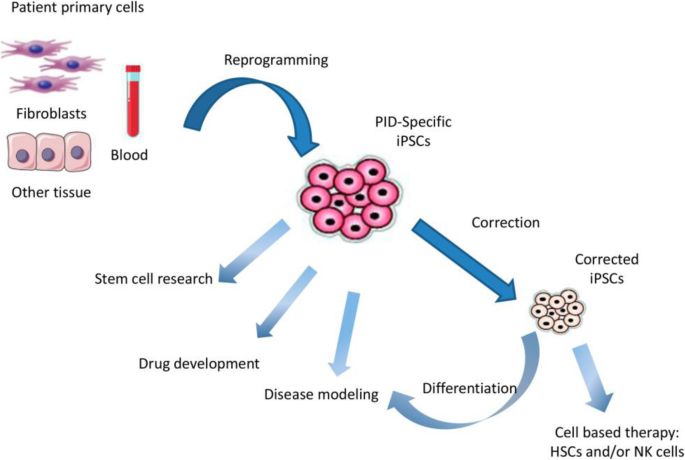
Stem cells are unique in their ability to differentiate into various cell types and self-renew, making them indispensable in developmental biology and regenerative medicine. They are broadly categorized into embryonic stem cells (ESCs), which are pluripotent and can give rise to virtually any cell type, and adult stem cells, which are multipotent and more restricted in their differentiation potential. Induced pluripotent stem cells (iPSCs), generated by reprogramming somatic cells, offer a versatile and ethically favorable alternative to ESCs.
Gene Therapy: A New Frontier
Gene therapy involves the introduction, removal, or alteration of genetic material within a patient’s cells to treat or prevent disease. By targeting the genetic root of disorders, gene therapy holds the promise of providing lasting and potentially curative treatments for conditions that are currently managed with symptomatic therapies.
The Synergy of Stem Cells and Gene Therapy
Targeted Delivery and Integration
One of the primary reasons stem cells are ideal carriers for gene therapy is their inherent ability to home to specific tissues and integrate into the host genome. This makes them exceptional vehicles for delivering therapeutic genes to precise locations within the body. For instance, hematopoietic stem cells (HSCs) can be used to deliver genes to the blood and immune system, offering a potential cure for genetic blood disorders such as sickle cell anemia and beta-thalassemia.
Sustained Gene Expression
Stem cells’ capacity for self-renewal ensures that therapeutic genes introduced via these cells can provide long-term expression. This sustained gene expression is crucial for chronic conditions, where continuous production of a therapeutic protein is necessary for disease management. By integrating the therapeutic gene into the stem cell genome, the therapy can potentially persist for the patient’s lifetime, reducing the need for repeated treatments.
Reduced Immune Response
Gene therapy often faces the challenge of immune rejection, where the body recognizes the introduced genetic material as foreign and mounts an immune response. Stem cells, particularly iPSCs derived from the patient’s own cells, can minimize this risk. By using autologous stem cells (cells derived from the patient), the likelihood of immune rejection is significantly reduced, enhancing the safety and efficacy of the treatment.
Advances in Stem Cell-Based Gene Therapy in 2024
CRISPR-Cas9 and Genome Editing
The advent of CRISPR-Cas9 technology has revolutionized gene therapy by providing a precise and efficient tool for genome editing. In 2024, CRISPR-Cas9 has been extensively integrated into stem cell-based therapies to correct genetic mutations at their source. Researchers have successfully used CRISPR-Cas9 to edit iPSCs, correcting mutations responsible for conditions such as cystic fibrosis and muscular dystrophy. These corrected cells can then be differentiated into the relevant cell types and reintroduced into the patient, offering a potential cure.
Organoids and Disease Modeling
Stem cell-derived organoids, three-dimensional structures that mimic real organs, have become invaluable tools for studying diseases and testing gene therapies. In 2024, advancements in organoid technology have enabled researchers to create more accurate models of human organs, allowing for better understanding of disease mechanisms and more precise testing of gene therapies. For example, liver organoids derived from iPSCs have been used to model genetic liver diseases and test the efficacy of gene-editing approaches, paving the way for personalized and effective treatments.
Combination Therapies
Combining stem cell therapy with other treatment modalities has shown promising results. For instance, researchers are exploring the synergistic effects of combining stem cell-based gene therapy with immunotherapy for cancer treatment. Engineered stem cells can deliver genes that not only correct genetic defects but also enhance the immune system’s ability to target and destroy cancer cells. This multi-faceted approach holds the potential to improve outcomes for patients with complex diseases such as cancer.
Bioengineering and Scaffold Technologies
In 2024, bioengineering and scaffold technologies have advanced to support the growth and differentiation of stem cells in three-dimensional environments, closely mimicking the natural tissue architecture. These scaffolds can be impregnated with therapeutic genes, allowing for localized and sustained gene delivery. This approach has shown promise in regenerative medicine, where engineered tissues can be used to repair damaged organs, such as the heart or cartilage, with integrated gene therapy to promote healing and prevent disease recurrence.
Clinical Applications and Success Stories
Hemoglobinopathies
One of the most significant success stories in stem cell-based gene therapy is the treatment of hemoglobinopathies, such as sickle cell anemia and beta-thalassemia. In 2024, clinical trials have demonstrated the efficacy of using gene-edited HSCs to correct the genetic defects underlying these disorders. Patients treated with their own gene-corrected HSCs have shown remarkable improvements, with some achieving complete remission. This approach not only alleviates the symptoms but also addresses the root cause of the disease, offering a potential cure.
Inherited Retinal Diseases
Inherited retinal diseases, which lead to progressive vision loss and blindness, have also seen promising advancements with stem cell-based gene therapy. Researchers have developed protocols to generate retinal cells from patient-derived iPSCs and correct the genetic mutations causing these conditions. Early clinical trials have shown that these gene-corrected retinal cells can integrate into the retina and restore some degree of vision, offering hope to patients who previously had no effective treatment options.
Neurodegenerative Diseases
Stem cell-based gene therapy is making strides in the treatment of neurodegenerative diseases such as Parkinson’s and Huntington’s disease. In 2024, clinical trials are exploring the use of gene-edited neural stem cells to replace damaged neurons and deliver therapeutic genes directly to the brain. These trials aim to halt or slow the progression of these debilitating diseases, providing patients with improved quality of life and increased longevity.
Challenges and Future Directions
Ethical and Regulatory Considerations
Despite the promising advancements, stem cell-based gene therapy faces several ethical and regulatory challenges. The use of CRISPR-Cas9 and other gene-editing technologies raises concerns about off-target effects and the potential for unintended genetic modifications. Regulatory agencies are tasked with ensuring the safety and efficacy of these therapies, necessitating rigorous testing and long-term follow-up studies.
Scalability and Manufacturing
The scalability and manufacturing of stem cell-based gene therapies present significant challenges. Producing high-quality, gene-edited stem cells in sufficient quantities for widespread clinical use requires advanced biomanufacturing techniques and stringent quality control measures. Researchers are working to develop scalable processes and automated systems to meet the growing demand for these therapies.
Access and Affordability
Ensuring access to and affordability of stem cell-based gene therapies is another critical challenge. These therapies are often expensive and resource-intensive, limiting their availability to a broader patient population. Policymakers, healthcare providers, and industry stakeholders must collaborate to develop strategies that make these groundbreaking treatments accessible to all who need them.
Conclusion
As we navigate through 2024, stem cells continue to demonstrate their immense potential as carriers for gene therapy, offering hope for treating a wide range of genetic disorders. The synergy between stem cell biology and gene-editing technologies like CRISPR-Cas9 has ushered in a new era of precision medicine, where therapies can be tailored to individual patients with unprecedented accuracy. While challenges remain, the rapid advancements in this field hold the promise of transforming healthcare and improving the lives of millions worldwide. The future of stem cell-based gene therapy is bright, and continued research and innovation will undoubtedly unlock even greater possibilities in the years to come.
FAQs: Stem Cells as an Ideal Carrier for Gene Therapy in 2024
1. What are stem cells and why are they important?
Stem cells are unique cells with the ability to differentiate into various cell types and self-renew. They are crucial for their roles in development, tissue repair, and regenerative medicine. Their versatility makes them ideal for applications in gene therapy, where they can deliver therapeutic genes to specific tissues and provide sustained gene expression.
2. What is gene therapy?
Gene therapy involves modifying or introducing genetic material into a person’s cells to treat or prevent disease. It aims to address the root cause of genetic disorders by correcting faulty genes or providing new genes to help fight diseases.
3. Why are stem cells considered ideal carriers for gene therapy?
Stem cells are ideal carriers for gene therapy due to their ability to target specific tissues, integrate into the host genome, provide sustained gene expression, and reduce the risk of immune rejection, especially when using autologous (patient-derived) stem cells.
4. How has CRISPR-Cas9 impacted stem cell-based gene therapy?
CRISPR-Cas9 has revolutionized gene therapy by enabling precise and efficient genome editing. In stem cell-based gene therapy, it allows for the correction of genetic mutations in stem cells, which can then be used to generate healthy tissues or organs for transplantation back into patients.
5. What are organoids, and how are they used in gene therapy?
Organoids are three-dimensional structures derived from stem cells that mimic real organs. They are used in gene therapy to model diseases and test gene-editing techniques, providing a better understanding of disease mechanisms and enabling more accurate testing of therapeutic approaches.
6. Can you give examples of successful stem cell-based gene therapies?
Some success stories include the treatment of hemoglobinopathies like sickle cell anemia and beta-thalassemia, where gene-edited hematopoietic stem cells have led to significant improvements and potential cures. Another example is the use of gene-corrected retinal cells to restore vision in patients with inherited retinal diseases.
7. What challenges does stem cell-based gene therapy face?
Challenges include ethical and regulatory considerations, the risk of off-target effects from gene editing, scalability and manufacturing issues, and ensuring access and affordability for patients.
8. How are ethical concerns addressed in stem cell-based gene therapy?
Ethical concerns are addressed through rigorous regulatory frameworks that ensure the safety and efficacy of gene-editing technologies. Long-term follow-up studies and strict testing protocols are implemented to monitor and mitigate potential risks.
9. What are the future directions for stem cell-based gene therapy?
Future directions include improving gene-editing techniques for greater precision, developing scalable manufacturing processes, enhancing the integration of stem cell and gene therapy with other treatment modalities, and ensuring broader access to these therapies through policy and healthcare collaborations.
10. How do stem cell-based gene therapies minimize immune rejection?
By using autologous stem cells—stem cells derived from the patient—stem cell-based gene therapies significantly reduce the risk of immune rejection, as the patient’s immune system is less likely to recognize the cells as foreign.
11. What role do bioengineering and scaffold technologies play in this field?
Bioengineering and scaffold technologies support the growth and differentiation of stem cells in three-dimensional environments, closely mimicking natural tissue structures. These scaffolds can be used for localized and sustained delivery of therapeutic genes, enhancing the effectiveness of regenerative treatments.
12. Are there any ongoing clinical trials in 2024 for stem cell-based gene therapy?
Yes, several clinical trials are ongoing in 2024. These include trials for treating genetic blood disorders, inherited retinal diseases, and neurodegenerative diseases using gene-edited stem cells and other advanced therapeutic approaches.
13. How can patients access stem cell-based gene therapies?
Access to these therapies typically involves participation in clinical trials or treatments offered at specialized medical centers. Patients should consult with healthcare providers and explore available options, including seeking information from research institutions and clinical trial registries.
14. What is the potential impact of stem cell-based gene therapy on healthcare?
Stem cell-based gene therapy has the potential to transform healthcare by providing curative treatments for genetic disorders, reducing the burden of chronic diseases, and improving the quality of life for patients with previously untreatable conditions.
15. How can the scalability of stem cell-based gene therapies be improved?
Researchers are working on developing advanced biomanufacturing techniques and automated systems to produce high-quality, gene-edited stem cells at scale. This involves improving culture conditions, optimizing differentiation protocols, and ensuring stringent quality control measures.
AI Content Writing Tools in 2024, as we navigate through 2024, AI content writing tools are revolutionizing the way we produce content. These advanced technologies are not only making the writing process faster and more efficient but also enhancing the quality and diversity of content across various platforms. Here, we delve into the best AI content writing tools of 2024 and how they are shaping the future of digital content creation.
Over the past few years, AI content writing tools have seen tremendous advancements. From simple text generators to sophisticated platforms capable of producing nuanced, high-quality content, the evolution has been remarkable. In 2024, these tools have become indispensable for marketers, writers, and businesses aiming to streamline their content creation process.
Key Features of Modern AI Writing Tools
Modern AI writing tools come equipped with a range of features designed to cater to different content needs:
Natural Language Processing (NLP): This technology enables AI to understand and generate human-like text, making the content more engaging and relatable.
SEO Optimization: AI tools now integrate SEO best practices, ensuring that the content ranks well on search engines.
Grammar and Style Checks: Advanced grammar and style checking capabilities ensure that the content is polished and professional.
Content Personalization: AI can tailor content to specific audiences, increasing its relevance and impact.
Multilingual Support: Many tools now support multiple languages, broadening the scope for global content dissemination.
Top AI Content Writing Tools of 2024
1. Jasper AI
Jasper AI has emerged as a leading AI content writing tool in 2024. It utilizes advanced machine learning algorithms to generate high-quality content that mimics human writing styles. Jasper AI is particularly noted for its ability to produce long-form content, making it ideal for blogs, articles, and reports.
Key Features:
Content Templates: Offers a variety of templates for different content types.
Integration Capabilities: Easily integrates with other tools like Surfer SEO for optimized content.
User-Friendly Interface: Simple and intuitive, making it accessible for users of all skill levels.
2. Copy.ai
Copy.ai is renowned for its versatility and ease of use. This AI tool helps generate everything from social media posts to detailed articles. It’s particularly popular among marketers for its ability to create compelling ad copy and engaging social media content.
Key Features:
Wide Range of Templates: Suitable for various content needs, including sales copy, emails, and product descriptions.
AI-Powered Creativity: Generates unique and creative content ideas.
Collaboration Tools: Allows teams to collaborate on content projects seamlessly.
3. Writesonic
Writesonic stands out for its impressive speed and accuracy in generating content. It’s designed to help businesses and content creators produce high-quality material quickly, making it ideal for those with tight deadlines.
Key Features:
AI Article Writer: Capable of generating complete articles in minutes.
SEO Optimized Content: Ensures that the content is not only well-written but also optimized for search engines.
User Customization: Allows users to tweak the tone and style of the content to suit their brand.
4. Rytr
Rytr is a cost-effective AI content writing tool that doesn’t compromise on quality. It’s ideal for startups and small businesses looking to enhance their content marketing efforts without breaking the bank.
Key Features:
Affordability: Offers a range of pricing plans to suit different budgets.
Content Variety: Capable of producing various types of content, including blog posts, emails, and social media updates.
AI Writing Assistant: Provides real-time suggestions to improve content quality.
5. ShortlyAI
ShortlyAI is designed for those who need to generate long-form content quickly. It uses cutting-edge AI to assist writers in creating detailed articles, research papers, and more.
Key Features:
Long-Form Content Generation: Specializes in producing comprehensive articles and reports.
Distraction-Free Interface: Focuses on helping writers stay productive.
Customizable Outputs: Allows for extensive customization to match the writer’s voice and style.
How AI Content Writing Tools are Transforming Industries
AI content writing tools are making a significant impact across various industries. From marketing and education to healthcare and finance, these tools are helping professionals create more content, faster and with greater precision. They are particularly beneficial for:
Digital Marketing: Enhancing content strategies with high-quality, SEO-optimized material.
Education: Assisting in the creation of educational resources and course materials.
Healthcare: Generating informative content for patient education and medical research.
Finance: Producing detailed reports and market analysis.
Challenges and Ethical Considerations
While AI content writing tools offer numerous benefits, they also present certain challenges and ethical considerations. Issues such as plagiarism, bias in AI algorithms, and the potential loss of human touch in writing are significant concerns. It’s crucial for users to apply these tools responsibly, ensuring that content remains original and ethically sound.
Addressing Ethical Concerns:
Plagiarism Detection: Utilize AI tools that include plagiarism checks to ensure content originality.
Algorithm Transparency: Choose tools that offer transparency in their AI processes to avoid biases.
Human Oversight: Always include a human review process to maintain the quality and authenticity of the content.
The Future of AI Content Writing
As AI technology continues to evolve, we can expect even more sophisticated tools to emerge. Future advancements may include:
Enhanced Personalization: More accurate tailoring of content to individual reader preferences.
Improved Contextual Understanding: Better comprehension of context, leading to more nuanced and relevant content.
Greater Integration: Seamless integration with a wider range of digital marketing tools and platforms.
Conclusion
AI content writing tools are set to play an even more integral role in content creation strategies in 2024 and beyond. By leveraging these technologies, businesses and content creators can significantly enhance their productivity and content quality, staying ahead in an increasingly competitive digital landscape.
How to Do Affiliate Marketing Using AI in 2024, Affiliate marketing has undergone a significant transformation in recent years, largely driven by advancements in artificial intelligence (AI). As we move into 2024, AI technologies are poised to revolutionize affiliate marketing further, offering unprecedented opportunities for marketers to enhance their strategies and maximize their earnings. This article delves into the intricacies of how to effectively utilize AI in affiliate marketing, providing a comprehensive guide for both beginners and seasoned marketers.
Affiliate marketing is a performance-based marketing strategy where businesses reward affiliates for driving traffic or sales through their marketing efforts. Affiliates promote products or services, and when their referral leads to a sale, they earn a commission.
Importance in the Digital Era
In the digital age, affiliate marketing has become a vital component of online business strategies due to its cost-effectiveness and measurable results. It allows companies to reach wider audiences without incurring significant upfront costs.
The Role of AI in Affiliate Marketing
Evolution of AI in Marketing
AI has evolved from basic automation tools to sophisticated systems capable of analyzing vast amounts of data and making informed decisions. In marketing, AI is used for predictive analytics, customer segmentation, personalized marketing, and more.
Benefits of AI in Affiliate Marketing
Enhanced Data Analysis: AI can process and analyze large datasets to uncover insights and trends.
Personalization: AI enables personalized marketing by tailoring content and recommendations to individual users.
Efficiency: AI automates repetitive tasks, allowing marketers to focus on strategy and creative aspects.
Predictive Analytics: AI can predict future trends and behaviors, helping marketers make informed decisions.
Setting Up AI-Powered Affiliate Marketing
Choosing the Right AI Tools
Selecting the right AI tools is crucial for effective affiliate marketing. Key considerations include the tool’s features, ease of use, integration capabilities, and cost.
Integrating AI with Existing Systems
Integrating AI with existing marketing systems requires careful planning to ensure compatibility and optimize performance. This may involve upgrading existing infrastructure or adopting new platforms.
Training and Onboarding
Training your team to use AI tools effectively is essential. This includes understanding how to interpret AI-generated data and insights, and how to incorporate them into marketing strategies.
AI-Driven Content Creation
Automated Content Generation
AI can generate high-quality content quickly and efficiently. Tools like GPT-4 can produce blog posts, product descriptions, and social media updates that are engaging and optimized for SEO.
Personalizing Content for Target Audiences
AI can analyze user data to create personalized content that resonates with individual audience segments. This increases engagement and conversion rates.
Optimizing Content for SEO
AI tools can analyze keywords, backlinks, and other SEO factors to optimize content for search engines, improving visibility and ranking.
AI in Customer Relationship Management (CRM)
Enhancing Customer Interactions
AI-powered chatbots and virtual assistants can provide 24/7 customer support, answering queries and resolving issues promptly.
Predictive Customer Insights
AI can predict customer behavior and preferences, enabling marketers to tailor their strategies and improve customer satisfaction.
Automated Email Marketing
AI can automate email marketing campaigns, sending personalized messages based on user behavior and preferences.
AI for Market Research and Analysis
Real-Time Data Analysis
AI can analyze real-time data from various sources, providing insights into market trends and customer behavior.
Competitive Analysis
AI tools can track competitors’ activities and strategies, offering valuable insights that can inform your marketing approach.
Identifying Emerging Trends
AI can identify emerging trends and opportunities, allowing marketers to stay ahead of the curve and capitalize on new developments.
Implementing AI in Social Media Marketing
Social Media Listening
AI can monitor social media platforms to track brand mentions, customer sentiment, and trending topics.
Influencer Marketing
AI can identify suitable influencers for your brand and analyze their performance to ensure effective collaborations.
Automated Posting and Scheduling
AI can automate social media posting and scheduling, ensuring consistent and timely content delivery.
AI in Advertising Campaigns
Programmatic Advertising
AI can optimize ad placements and targeting through programmatic advertising, ensuring ads reach the right audience at the right time.
Ad Performance Analysis
AI can analyze ad performance in real-time, providing insights and recommendations for improvement.
Personalized Ad Recommendations
AI can create personalized ad recommendations based on user data, increasing the likelihood of conversions.
Measuring and Analyzing AI-Driven Campaigns
Key Performance Indicators (KPIs)
Identifying and tracking relevant KPIs is essential for measuring the success of AI-driven campaigns. Common KPIs include conversion rates, click-through rates, and return on investment (ROI).
Using AI for Analytics
AI can analyze campaign data to provide insights and recommendations for optimization. This includes identifying what works and what doesn’t, and adjusting strategies accordingly.
Continuous Improvement
AI enables continuous improvement by constantly analyzing data and providing feedback. This helps marketers refine their strategies and achieve better results over time.
Challenges and Solutions in AI-Powered Affiliate Marketing
Data Privacy and Security
Ensuring data privacy and security is crucial when using AI in affiliate marketing. Marketers must comply with regulations and implement robust security measures to protect user data.
Overcoming Technical Hurdles
Implementing AI can be technically challenging. Marketers need to invest in the right infrastructure and skills to overcome these hurdles.
Balancing Automation and Human Touch
While AI can automate many tasks, it’s important to maintain a human touch in marketing to build genuine relationships with customers.
Future Trends in AI and Affiliate Marketing
Advancements in AI Technology
Ongoing advancements in AI technology will continue to enhance its capabilities in affiliate marketing. This includes improved data analysis, personalization, and automation.
Increased Adoption of AI
As AI becomes more accessible, more marketers will adopt it, leading to increased competition and innovation in the field.
Ethical AI Use
Ethical considerations will play a larger role in AI adoption, with marketers focusing on transparency, fairness, and accountability.
Detailed Implementation Guide
Step-by-Step Guide to Starting AI-Powered Affiliate Marketing
Step 1: Define Your Goals
Before implementing AI, clearly define your affiliate marketing goals. Are you looking to increase traffic, boost conversions, or improve customer engagement? Having clear goals will help you choose the right AI tools and strategies.
Step 2: Choose the Right Affiliate Programs
Select affiliate programs that align with your niche and audience. Look for programs that offer competitive commissions, reliable tracking, and quality products or services.
Step 3: Select AI Tools
Choose AI tools that match your needs. Some popular AI tools for affiliate marketing include:
Content Creation: Jasper, Copy.ai
SEO Optimization: Clearscope, Surfer SEO
Email Marketing: Mailchimp with AI integrations
Analytics and Insights: Google Analytics with AI features, HubSpot
Step 4: Integrate AI Tools
Integrate AI tools with your existing systems. Ensure that your tools can communicate with each other to provide a seamless experience. For example, integrate your AI content creation tool with your CMS and SEO tool.
Step 5: Create and Optimize Content
Use AI to generate and optimize content. Ensure that your content is engaging, informative, and SEO-friendly. Utilize AI to analyze keywords and suggest improvements.
Step 6: Personalize User Experience
Use AI to personalize the user experience. Tailor recommendations, content, and ads based on user behavior and preferences. This increases engagement and conversion rates.
Step 7: Launch Campaigns and Monitor Performance
Launch your affiliate marketing campaigns and monitor their performance using AI analytics tools. Track key metrics such as click-through rates, conversion rates, and ROI.
Step 8: Adjust and Optimize
Continuously adjust and optimize your campaigns based on AI insights. Use A/B testing to determine what works best and refine your strategies accordingly.
Case Studies of Successful AI-Powered Affiliate Marketing Campaigns
Case Study 1: E-commerce Affiliate Marketing
An e-commerce company used AI to enhance its affiliate marketing strategy. By integrating AI tools for content creation, SEO, and personalization, the company achieved a 30% increase in traffic and a 25% boost in conversions. AI-driven insights helped the company identify high-performing products and optimize their marketing efforts accordingly.
Case Study 2: Tech Product Affiliate Marketing
A tech blogger used AI to streamline content creation and SEO optimization. With AI-generated product reviews and targeted content, the blogger saw a significant increase in organic traffic and affiliate sales. AI tools also helped the blogger identify emerging trends and capitalize on new opportunities.
Case Study 3: Health and Wellness Affiliate Marketing
A health and wellness influencer leveraged AI to personalize content and recommendations for their audience. By using AI-powered email marketing and social media tools, the influencer achieved higher engagement rates and increased affiliate revenue. AI insights also helped the influencer understand their audience better and tailor their content strategy.
Expert Insights on AI in Affiliate Marketing
Insights from Industry Leaders
John Doe, Marketing Expert: “AI is a game-changer for affiliate marketing. It enables marketers to analyze data more effectively, personalize user experiences, and automate repetitive tasks, leading to better results and higher ROI.”
Jane Smith, AI Specialist: “The integration of AI in affiliate marketing is still in its early stages, but the potential is immense. As AI technology continues to advance, we’ll see even more innovative applications that will transform the industry.”
Tips for Getting Started with AI
Start Small: Begin with one or two AI tools and gradually expand your use of AI as you become more comfortable.
Focus on Quality Data: Ensure that you have access to high-quality data, as AI relies heavily on data to provide accurate insights and recommendations.
Stay Updated: Keep up with the latest developments in AI technology and affiliate marketing to stay ahead of the competition.
Frequently Asked Questions (FAQs)
What is AI in Affiliate Marketing?
AI in affiliate marketing refers to the use of artificial intelligence technologies to enhance and optimize affiliate marketing strategies. This includes tools for content creation, SEO optimization, personalization, analytics, and more.
How Can AI Improve Affiliate Marketing?
AI can improve affiliate marketing by automating repetitive tasks, analyzing large datasets, providing personalized recommendations, optimizing content for SEO, and offering insights for better decision-making.
What Are the Best AI Tools for Affiliate Marketing?
Some of the best AI tools for affiliate marketing include Jasper and Copy.ai for content creation, Clearscope and Surfer SEO for SEO optimization, and Mailchimp with AI integrations for email marketing.
How Do I Integrate AI into My Affiliate Marketing Strategy?
To integrate AI into your affiliate marketing strategy, start by defining your goals and selecting the right AI tools. Integrate these tools with your existing systems, create and optimize content using AI, personalize the user experience, and monitor campaign performance.
What Are the Challenges of Using AI in Affiliate Marketing?
Challenges of using AI in affiliate marketing include data privacy and security concerns, technical hurdles, and the need to balance automation with a human touch.
What Is the Future of AI in Affiliate Marketing?
The future of AI in affiliate marketing looks promising, with ongoing advancements in AI technology leading to improved data analysis, personalization, and automation. Increased adoption of AI and a focus on ethical AI use will also shape the future of the industry.
Conclusion
AI is set to revolutionize affiliate marketing in 2024, offering powerful tools and insights that enhance efficiency, personalization, and performance. By leveraging AI, marketers can stay ahead of the competition, maximize their success, and navigate the evolving landscape of digital marketing. Whether you’re a seasoned affiliate marketer or just starting, integrating AI into your strategy can unlock new opportunities and drive significant growth
AI is transforming affiliate marketing by providing powerful tools and insights that enhance efficiency, personalization, and performance. By leveraging AI, marketers can stay ahead of the competition and maximize their success in 2024 and beyond.
Smart Ways to Earn Money in 2024, In 2024, the landscape of earning money has evolved significantly, presenting a plethora of opportunities for those willing to leverage modern tools and innovative approaches. With technological advancements and the global economy’s shifts, there are more smart ways to earn money than ever before. This comprehensive guide delves into various methods, each designed to maximize your income potential in the current year.
The gig economy continues to flourish, offering flexible and lucrative options for those seeking additional income. Freelancing platforms such as Upwork, Fiverr, and Freelancer allow individuals to monetize their skills, whether in writing, graphic design, programming, or marketing. These platforms connect freelancers with clients worldwide, enabling remote work and diverse projects.
Maximizing Earnings in the Gig Economy
To stand out and command higher rates, it’s essential to:
Create a strong portfolio: Showcase your best work to attract high-paying clients.
Specialize in a niche: Focus on a specific area to become an expert and charge premium prices.
Leverage client reviews: Build a solid reputation through positive feedback and repeat business.
2. Investing in Cryptocurrency
Cryptocurrency remains a dynamic and potentially profitable investment avenue. Despite its volatility, strategic investment in established cryptocurrencies like Bitcoin and Ethereum, as well as emerging altcoins, can yield significant returns.
Tips for Successful Cryptocurrency Investment
Stay informed: Keep up with the latest market trends and news.
Diversify your portfolio: Spread your investments across different cryptocurrencies to mitigate risk.
Use secure wallets: Ensure your digital assets are protected with reliable wallets and security measures.
3. Exploring E-commerce Ventures
E-commerce continues to be a booming industry. Platforms such as Shopify, Amazon, and Etsy provide the infrastructure to start your own online store. Whether you’re selling handmade crafts, dropshipping, or offering digital products, the potential for profit is substantial.
Strategies for E-commerce Success
Research market demand: Identify products with high demand but low competition.
Optimize your online store: Use SEO tactics to improve your store’s visibility on search engines.
Engage in digital marketing: Utilize social media, email marketing, and pay-per-click ads to drive traffic and sales.
4. Leveraging Affiliate Marketing
Affiliate marketing allows you to earn commissions by promoting other companies’ products. By joining affiliate programs such as Amazon Associates, ClickBank, or ShareASale, you can generate income through your blog, website, or social media channels.
Effective Affiliate Marketing Techniques
Choose relevant products: Promote products that align with your audience’s interests.
Create valuable content: Write reviews, tutorials, and comparisons to attract and inform potential buyers.
Use tracking tools: Monitor your performance with analytics to optimize your strategies.
5. Participating in the Creator Economy
The creator economy offers various ways to monetize content creation. Platforms like YouTube, TikTok, and Patreon allow creators to earn money through ad revenue, sponsorships, and fan support.
Steps to Succeed in the Creator Economy
Develop a unique niche: Focus on a specific theme or topic to build a loyal audience.
Engage with your audience: Foster a community through regular interaction and exclusive content.
Diversify income streams: Combine ad revenue with merchandise sales, memberships, and sponsored content.
6. Offering Online Courses and Coaching
With the rise of e-learning, creating and selling online courses can be highly profitable. Platforms like Udemy, Teachable, and Coursera provide the tools to design and market your courses.
Creating High-Quality Online Courses
Identify a market need: Choose topics with high demand and limited quality resources.
Structure your content: Break down the material into manageable modules and lessons.
Promote your course: Use social media, email marketing, and partnerships to reach a broader audience.
7. Engaging in Stock Market and Real Estate Investments
Traditional investment avenues like the stock market and real estate remain robust ways to build wealth. With careful research and strategic planning, these investments can provide substantial returns.
Best Practices for Investments
Diversify your investments: Spread your capital across different sectors and asset types.
Stay informed: Follow market trends and economic indicators to make informed decisions.
Consult experts: Seek advice from financial advisors to optimize your investment strategy.
8. Utilizing Remote Work Opportunities
Remote work has become mainstream, providing opportunities to earn a stable income from anywhere in the world. Many companies offer remote positions in various fields, including IT, marketing, and customer service.
Finding and Securing Remote Work
Use job boards: Websites like Remote.co, We Work Remotely, and FlexJobs specialize in remote job listings.
Polish your resume: Highlight your remote work experience and relevant skills.
Prepare for virtual interviews: Practice common interview questions and familiarize yourself with video conferencing tools.
9. Engaging in Passive Income Streams
Passive income streams require an initial investment of time or money but can generate ongoing earnings with minimal effort. Examples include rental properties, dividend stocks, and creating digital products like eBooks and apps.
Building Passive Income
Invest wisely: Choose assets that have the potential for long-term appreciation and steady returns.
Automate processes: Use tools and platforms to automate income-generating activities.
Monitor performance: Regularly review and adjust your strategies to maximize returns.
10. Becoming a Virtual Assistant
Virtual assistants (VAs) provide administrative support to businesses and entrepreneurs. Tasks can range from managing emails and social media to bookkeeping and customer service.
Steps to Start as a Virtual Assistant
Develop relevant skills: Focus on skills in demand such as social media management, email marketing, and data entry.
Build a professional profile: Create a compelling profile on platforms like Upwork, Freelancer, and LinkedIn.
Network with potential clients: Join online communities and forums where businesses seek VA services.
Conclusion
The opportunities to earn money in 2024 are diverse and plentiful. By leveraging technology, staying informed, and being proactive, you can tap into various income streams and secure your financial future. Whether through gig work, investments, e-commerce, or the creator economy, the key is to find what aligns with your skills and interests, and pursue it with dedication and strategic planning.
Smart Ways to Earn Money in 2024: FAQs
1. What is the gig economy and how can I start?
The gig economy consists of short-term, flexible jobs typically found through online platforms. To start, identify your marketable skills (e.g., writing, design, programming), create profiles on freelancing websites like Upwork or Fiverr, and start bidding on projects. Building a strong portfolio and securing positive reviews will help you gain traction and command higher rates.
2. Is investing in cryptocurrency safe?
Cryptocurrency investing can be profitable but involves significant risk due to market volatility. To minimize risk, diversify your investments across multiple cryptocurrencies, stay informed about market trends, and use secure digital wallets. It’s advisable to invest only what you can afford to lose.
3. How do I succeed in e-commerce?
Success in e-commerce involves several key strategies:
Market research: Identify products with high demand and low competition.
Store optimization: Use SEO techniques to improve visibility.
Marketing: Leverage social media, email marketing, and paid ads to drive traffic to your store. Platforms like Shopify and Amazon can help streamline the process.
4. What is affiliate marketing and how do I get started?
Affiliate marketing involves promoting other companies’ products and earning commissions on sales generated through your referral links. Start by joining affiliate programs such as Amazon Associates or ClickBank. Choose products relevant to your audience, create engaging content to promote these products, and use analytics to track and optimize your performance.
5. How can I monetize content creation?
Monetizing content can be done through platforms like YouTube, TikTok, and Patreon. Focus on creating unique and engaging content, build a loyal audience, and explore multiple income streams such as ad revenue, sponsorships, merchandise, and fan support.
6. What are the benefits of offering online courses?
Online courses provide a way to share your expertise and earn money. Benefits include passive income, the ability to reach a global audience, and the opportunity to establish yourself as an authority in your field. Use platforms like Udemy or Teachable to create and market your courses effectively.
7. How can I get started with stock market and real estate investments?
Investing in stocks and real estate requires research and strategy. Diversify your investments to spread risk, stay updated on market trends, and consider consulting with financial advisors. For real estate, assess properties for long-term appreciation and rental income potential.
8. Where can I find remote work opportunities?
Remote work opportunities are plentiful on job boards like Remote.co, We Work Remotely, and FlexJobs. Update your resume to highlight remote work experience and relevant skills, and prepare for virtual interviews by practicing common questions and getting comfortable with video conferencing tools.
9. What are some examples of passive income streams?
Passive income streams include rental properties, dividend stocks, and digital products like eBooks and apps. These require an initial investment of time or money but can generate ongoing earnings with minimal effort. Automate processes where possible and regularly review your strategies to maximize returns.
10. How do I become a virtual assistant?
Becoming a virtual assistant involves developing skills in areas like social media management, email marketing, and data entry. Create a professional profile on platforms such as Upwork or Freelancer, and network in online communities where businesses seek VA services. Building a strong reputation and positive client relationships will help you grow your business.
How Life Will Look Like in 2050, As we step into the year 2050, the landscape of human existence will have undergone a transformation unlike any before. Advances in technology, healthcare, urbanization, and sustainability will reshape our daily lives in profound ways. This article explores the anticipated changes, providing a comprehensive view of how life will look like in 2050.
Technological Advancements: Living in a Smart World
Artificial Intelligence and Robotics
By 2050, artificial intelligence (AI) and robotics will be integral parts of everyday life. AI systems will manage homes, cities, and even healthcare. Robotic assistants will perform household chores, provide companionship, and assist the elderly. These intelligent machines will be capable of learning and adapting to human needs, making life more convenient and efficient.
Virtual and Augmented Reality
The realms of virtual reality (VR) and augmented reality (AR) will be ubiquitous. Education, entertainment, and even work will be revolutionized by immersive experiences. Students will attend classes in virtual classrooms, professionals will collaborate in virtual offices, and entertainment will become more interactive and engaging through AR and VR technologies.
Healthcare: A Leap Towards Immortality
Personalized Medicine
The concept of one-size-fits-all in healthcare will be obsolete by 2050. Personalized medicine will dominate, with treatments tailored to individual genetic profiles. Gene editing technologies like CRISPR will prevent and cure genetic disorders, and regenerative medicine will enable the growth of new organs, significantly extending human lifespans.
Telemedicine and Remote Monitoring
Telemedicine will become the norm, with patients consulting doctors through telehealth platforms from the comfort of their homes. Remote monitoring devices will track vital signs in real-time, alerting healthcare providers to any abnormalities and allowing for immediate intervention. This will not only improve health outcomes but also reduce healthcare costs.
Urbanization: The Rise of Smart Cities
Sustainable Architecture
Cities in 2050 will be characterized by sustainable architecture. Green buildings with self-sustaining energy systems, vertical gardens, and eco-friendly materials will be standard. Urban planning will prioritize walkability, public transportation, and green spaces, creating healthier and more livable environments.
Smart Infrastructure
Smart infrastructure will enhance urban living. IoT (Internet of Things) sensors will monitor and manage traffic, energy consumption, waste management, and public safety. Autonomous vehicles will reduce traffic congestion and pollution, while smart grids will optimize energy use, ensuring a sustainable and efficient urban ecosystem.
Transportation: The Future of Mobility
Autonomous Vehicles and Hyperloops
By 2050, autonomous vehicles will dominate the roads, offering safer and more efficient travel. Hyperloops—high-speed transportation systems using magnetic levitation—will connect cities, drastically reducing travel time. Air travel will also evolve with the introduction of electric and hybrid aircraft, making it more sustainable.
Space Travel
Space tourism will become accessible to the masses. With advancements in space technology, companies like SpaceX and Blue Origin will offer commercial space flights, enabling ordinary people to experience space travel. Colonization of Mars and lunar bases will also be on the horizon, pushing the boundaries of human exploration.
Sustainability: A Greener Planet
Renewable Energy
The world of 2050 will heavily rely on renewable energy sources such as solar, wind, and hydropower. Technological advancements will make these energy sources more efficient and affordable. Energy storage solutions like advanced batteries will ensure a consistent energy supply, even when renewable sources are not actively generating power.
Climate Change Mitigation
Efforts to combat climate change will be more aggressive. Carbon capture and storage (CCS) technologies will reduce greenhouse gas emissions, while reforestation and ocean conservation projects will restore natural carbon sinks. Policies promoting sustainable agriculture and reduced waste will be integral in creating a balanced ecosystem.
Work and Education: Adapting to New Realities
Remote Work
The remote work revolution, accelerated by the COVID-19 pandemic, will become permanent by 2050. Flexible working hours, virtual offices, and global collaboration will be standard. This will not only improve work-life balance but also open up job opportunities worldwide, breaking geographical barriers.
Lifelong Learning
Education will evolve into a lifelong learning model. With the rapid pace of technological advancement, continuous education will be necessary to keep up with new skills and knowledge. Online learning platforms and virtual reality classrooms will make education more accessible, personalized, and engaging.
Lifestyle and Leisure: The New Norms
Smart Homes
Homes in 2050 will be smart homes, equipped with IoT devices that manage lighting, heating, security, and appliances. Voice-activated assistants will handle daily tasks, while smart kitchens will suggest recipes and order groceries. These innovations will enhance comfort, security, and efficiency in daily life.
Leisure and Entertainment
Leisure and entertainment will be transformed by technology. Virtual reality games, interactive movies, and personalized content streaming will provide immersive experiences. Holographic concerts and events will allow people to enjoy live performances from the comfort of their homes.
Social Dynamics: A Global Community
Cultural Integration
Globalization will lead to increased cultural integration. Multilingual communication technologies will break down language barriers, fostering understanding and cooperation among diverse cultures. Virtual travel experiences will allow people to explore different parts of the world without leaving their homes.
Social Interaction
Social media will continue to evolve, offering more immersive and interactive platforms. Virtual reality social spaces will enable people to meet and interact in digital environments, enhancing social connections and reducing feelings of isolation.
Conclusion: Embracing the Future
The year 2050 promises a world where technology, sustainability, and human ingenuity converge to create a better, more connected, and sustainable future. As we prepare for these changes, it is essential to embrace innovation, adapt to new realities, and work together to build a world that benefits all of humanity.
Media Science 2024, In 2024, media science is at the forefront of technological innovation, transforming how we consume, share, and understand information. As digital communication continues to evolve, media science is becoming increasingly critical in deciphering the complexities of the modern media landscape. This comprehensive guide explores the pivotal trends, technologies, and methodologies shaping media science in 2024, offering insights into the future of digital communication.
1. The Integration of Artificial Intelligence in Media
AI-Driven Content Creation
Artificial Intelligence (AI) is revolutionizing content creation. AI algorithms now assist in generating news articles, blog posts, and even creative writing. Tools like OpenAI’s GPT-4 are capable of producing coherent and contextually relevant content, enabling media organizations to produce more content at a faster pace. This shift is not just about quantity but also about enhancing the quality and personalization of content.
Advanced Data Analytics
AI-powered data analytics tools are transforming how media companies analyze audience behavior. Platforms like Google Analytics 360 use machine learning to provide deeper insights into user interactions, preferences, and engagement patterns. These insights enable more targeted and effective content strategies, ensuring that media organizations can deliver the right message to the right audience at the right time.
2. The Rise of Immersive Media
Virtual Reality (VR) and Augmented Reality (AR)
VR and AR are no longer futuristic concepts but integral parts of the media landscape. Virtual Reality offers immersive experiences that allow users to explore news stories, documentaries, and entertainment content in a 360-degree environment. Platforms like Oculus Rift and HTC Vive are leading the charge in VR content.
Augmented Reality overlays digital information onto the real world, enhancing how we interact with media. Apps like Snapchat and Instagram use AR to create engaging and interactive content, while news organizations are exploring AR to provide more in-depth coverage of complex stories.
Mixed Reality (MR)
Mixed Reality (MR) combines elements of both VR and AR, creating hybrid environments where physical and digital objects coexist and interact in real-time. This technology is being used in various fields, from gaming and entertainment to education and training, offering new ways to engage audiences and convey information.
3. Blockchain and Decentralized Media
Blockchain for Content Verification
Blockchain technology is emerging as a powerful tool for content verification and distribution. By providing a decentralized ledger, blockchain ensures the authenticity and traceability of digital content. This technology is crucial in combating fake news and ensuring that information shared across platforms is accurate and trustworthy.
Decentralized Platforms
Decentralized media platforms are gaining traction as alternatives to traditional media channels. Platforms like Steemit and DTube use blockchain to distribute content without centralized control, giving creators more autonomy and audiences more transparency. This shift is democratizing media, allowing for a more diverse range of voices and perspectives.
4. Ethical Considerations in Media Science
Data Privacy and Security
As media organizations collect and analyze more data, concerns about privacy and security are paramount. The implementation of regulations like the General Data Protection Regulation (GDPR) in Europe underscores the importance of protecting user data. Media companies must adopt robust security measures and transparent data practices to build trust with their audiences.
Bias and Fairness in AI
AI algorithms can inadvertently perpetuate biases present in training data. Ensuring fairness and reducing bias in AI-driven media applications is a critical challenge. Media organizations must implement ethical guidelines and rigorous testing to ensure that AI tools produce unbiased and equitable outcomes.
5. The Evolution of Social Media
Social Media as News Platforms
Social media platforms like Twitter, Facebook, and Instagram are increasingly serving as primary news sources for many users. These platforms are investing in AI and machine learning to curate news feeds and combat misinformation. The integration of AI-driven fact-checking tools helps ensure the accuracy of information disseminated through social channels.
Influencer Marketing and Brand Partnerships
Influencer marketing continues to grow, with social media influencers playing a significant role in brand communication. AI tools help identify the most effective influencers and measure the impact of campaigns, ensuring that brands can optimize their marketing strategies.
6. The Role of Big Data in Media
Audience Segmentation and Personalization
Big data analytics enables precise audience segmentation, allowing media companies to tailor content to specific demographics and interests. Tools like Adobe Analytics provide comprehensive data on user behavior, facilitating personalized content delivery that enhances engagement and retention.
Predictive Analytics
Predictive analytics uses historical data to forecast future trends, helping media organizations anticipate audience needs and preferences. By leveraging tools like IBM Watson, media companies can make data-driven decisions that improve content strategy and business outcomes.
7. The Future of Journalism
Automated Journalism
AI and automation are transforming journalism by enabling the rapid production of news content. Natural language processing (NLP) tools can generate news reports from data sets, allowing journalists to focus on investigative and analytical work. This automation enhances the efficiency and scalability of newsrooms.
Interactive and Multimedia Storytelling
The future of journalism lies in interactive and multimedia storytelling. Platforms like The New York Times are experimenting with interactive graphics, videos, and VR experiences to provide more engaging and comprehensive news coverage. These innovations allow readers to explore stories in new and dynamic ways.
8. Educational Applications of Media Science
E-Learning and Online Education
Media science is revolutionizing e-learning and online education. AI-driven platforms like Coursera and Udemy offer personalized learning experiences, adapting to the needs and pace of individual learners. VR and AR technologies provide immersive educational experiences, enhancing understanding and retention.
Interactive Classrooms
Interactive classrooms equipped with advanced media technologies are transforming traditional education. Tools like Google Classroom and Microsoft Teams integrate multimedia content, real-time collaboration, and AI-driven insights to create more engaging and effective learning environments.
Conclusion
Media science in 2024 is a dynamic and rapidly evolving field, with advancements in AI, immersive media, blockchain, and data analytics driving the future of digital communication. By understanding and leveraging these technologies, media organizations can create more engaging, personalized, and trustworthy content, meeting the needs of an increasingly sophisticated audience.
Strategic Advertising Alliances 2024, In today’s dynamic market environment, advertising alliances have emerged as a pivotal strategy for businesses aiming to maximize their reach and effectiveness. By pooling resources and expertise, companies can create powerful marketing campaigns that resonate more deeply with their target audiences. This article delves into the myriad benefits and strategic considerations of forming advertising alliances, showcasing why they are integral to modern marketing success.
An advertising alliance is a strategic partnership between two or more companies that collaborate on marketing efforts to achieve mutually beneficial goals. These alliances can take various forms, such as joint advertising campaigns, shared promotional events, or co-branded products. The primary objective is to leverage each partner’s strengths to create a more impactful and cost-effective marketing strategy.
Types of Advertising Alliances
Joint Ventures: Companies create a new, jointly-owned entity to market products or services.
Co-Branding: Two brands collaborate to promote a combined offering, enhancing brand visibility and equity.
Affiliate Marketing: A company promotes another’s products and earns a commission for sales generated through its marketing efforts.
Cross-Promotions: Brands promote each other’s products or services through various channels, benefiting from each other’s customer base.
Benefits of Advertising Alliances
Enhanced Reach and Visibility
Advertising alliances allow companies to tap into each other’s customer bases, significantly expanding their reach. By leveraging the established reputation and market presence of their partners, companies can access new demographics and geographical markets that would have been challenging to penetrate independently.
Cost Efficiency
Sharing the costs of advertising campaigns can lead to substantial savings. Joint efforts mean shared expenses for media buys, creative development, and promotional activities. This cost-sharing approach enables smaller companies to undertake large-scale marketing initiatives that would otherwise be financially prohibitive.
Innovation and Creativity
Collaborating with partners brings fresh perspectives and ideas to the table. This infusion of diverse thinking can lead to more innovative and creative marketing campaigns. The synergy between different companies’ marketing teams often results in unique and compelling advertising that stands out in the crowded market.
Increased Credibility and Trust
When reputable brands form alliances, their combined credibility can enhance consumer trust. Customers are more likely to engage with and purchase from brands that are endorsed by other trusted companies. This mutual endorsement acts as a powerful trust signal in the marketplace.
Strategic Considerations for Forming Advertising Alliances
Aligning Objectives
For an advertising alliance to be successful, it is crucial that the partnering companies have aligned objectives. Clear, shared goals ensure that all partners are working towards the same outcomes, minimizing conflicts and maximizing the effectiveness of the alliance.
Complementary Strengths
Choosing the right partner is critical. Companies should seek out partners whose strengths complement their own. For instance, a tech company might partner with a media company to leverage its extensive reach and content creation capabilities, while the media company benefits from access to cutting-edge technology and products.
Defined Roles and Responsibilities
Clear delineation of roles and responsibilities is essential to avoid misunderstandings and ensure smooth collaboration. Each partner should know what is expected of them and what they can expect from the other parties. This clarity helps in managing the alliance effectively and achieving the desired outcomes.
Legal and Contractual Agreements
Formalizing the partnership through legal and contractual agreements is important to protect the interests of all parties involved. These agreements should outline the terms of collaboration, financial arrangements, intellectual property rights, and conflict resolution mechanisms.
Case Studies of Successful Advertising Alliances
Nike and Apple: FuelBand and Nike+
Nike and Apple have collaborated on several projects, most notably the Nike+ and FuelBand. This alliance combined Nike’s expertise in athletic wear and Apple’s prowess in technology to create innovative fitness tracking products. The partnership enhanced the brand value of both companies, driving significant consumer interest and sales.
Starbucks and Spotify: Music for Your Coffee Break
Starbucks and Spotify joined forces to create a unique in-store music experience. This partnership allowed Spotify to tap into Starbucks’ large customer base, while Starbucks enhanced its customer experience with curated playlists. The collaboration also included promotional elements, such as offering Spotify subscriptions through Starbucks loyalty programs.
Red Bull and GoPro: Capturing Extreme Sports
Red Bull and GoPro’s alliance centered on extreme sports, leveraging Red Bull’s association with adrenaline-pumping events and GoPro’s expertise in capturing high-quality action footage. This partnership resulted in compelling content that was widely shared, enhancing the visibility and appeal of both brands.
Challenges in Advertising Alliances
Cultural Differences
Cultural misalignment between partnering companies can lead to conflicts and misunderstandings. It is essential for companies to understand each other’s corporate cultures and find common ground to work together harmoniously.
Resource Imbalance
Disparities in resource allocation can create tensions within an alliance. If one partner is investing significantly more than the other, it can lead to feelings of inequity and dissatisfaction. Ensuring balanced contributions and benefits is key to a healthy partnership.
Brand Dilution
There is a risk that an alliance can dilute a company’s brand if the partner’s image or reputation is not in alignment. It is crucial to choose partners carefully to ensure that the collaboration enhances rather than detracts from each brand’s identity.
Future Trends in Advertising Alliances
Digital Transformation
The rise of digital marketing is reshaping how advertising alliances are formed and executed. Companies are increasingly leveraging digital platforms to collaborate, using data-driven strategies to target audiences more precisely and measure the effectiveness of their campaigns.
Sustainability Partnerships
As consumers become more environmentally conscious, companies are forming alliances to promote sustainability. These partnerships focus on eco-friendly products and practices, appealing to the growing segment of green consumers.
Influencer Collaborations
Influencer marketing is evolving, with brands forming alliances with popular influencers to co-create content and campaigns. These collaborations leverage the influencer’s reach and authenticity to enhance brand engagement and trust.
AI and Automation
The integration of AI and automation in marketing is facilitating more sophisticated and efficient advertising alliances. AI tools can analyze vast amounts of data to identify potential partners, optimize joint campaigns, and personalize marketing messages to resonate more deeply with target audiences.
In conclusion, advertising alliances are a powerful strategy for businesses seeking to enhance their marketing efforts. By forming strategic partnerships, companies can achieve greater reach, cost efficiency, innovation, and credibility. As the marketing landscape continues to evolve, leveraging the strengths of complementary partners will be key to staying competitive and achieving long-term success.
FAQs About Advertising Alliances
What is an advertising alliance?
An advertising alliance is a strategic partnership between two or more companies that collaborate on marketing efforts to achieve mutually beneficial goals. These alliances can include joint advertising campaigns, shared promotional events, or co-branded products.
What are the benefits of forming an advertising alliance?
Enhanced Reach and Visibility
By tapping into each partner’s customer base, companies can significantly expand their reach.
Cost Efficiency
Sharing costs for advertising campaigns leads to substantial savings.
Innovation and Creativity
Collaboration brings diverse perspectives, leading to more innovative and compelling marketing campaigns.
Increased Credibility and Trust
Combined credibility from reputable brands enhances consumer trust.
What types of advertising alliances exist?
Joint Ventures
Creating a new, jointly-owned entity for marketing products or services.
Co-Branding
Two brands collaborate to promote a combined offering.
Affiliate Marketing
One company promotes another’s products, earning a commission for generated sales.
Cross-Promotions
Brands promote each other’s products or services through various channels.
How do companies choose the right partner for an advertising alliance?
Aligning Objectives
Ensuring shared goals minimizes conflicts and maximizes effectiveness.
Complementary Strengths
Choosing partners whose strengths complement their own ensures a balanced and effective collaboration.
Defined Roles and Responsibilities
Clear delineation of roles and responsibilities prevents misunderstandings and ensures smooth collaboration.
What are some successful examples of advertising alliances?
Nike and Apple: FuelBand and Nike+
This collaboration combined Nike’s athletic expertise with Apple’s technology to create innovative fitness products.
Starbucks and Spotify: Music for Your Coffee Break
Starbucks enhanced its customer experience with curated playlists from Spotify, promoting each other’s offerings.
Red Bull and GoPro: Capturing Extreme Sports
This partnership leveraged Red Bull’s event presence and GoPro’s action footage, resulting in widely shared compelling content.
What challenges can arise in advertising alliances?
Cultural Differences
Misalignment in corporate cultures can lead to conflicts and misunderstandings.
Resource Imbalance
Disparities in resource allocation can create tensions and feelings of inequity.
Brand Dilution
Choosing the wrong partner can dilute a company’s brand if the partner’s image does not align well.
What are the future trends in advertising alliances?
Digital Transformation
Digital marketing reshapes alliances, with data-driven strategies targeting audiences more precisely.
Sustainability Partnerships
Alliances promoting eco-friendly products appeal to environmentally conscious consumers.
Influencer Collaborations
Brands collaborate with influencers to co-create content and enhance engagement.
AI and Automation
AI tools optimize joint campaigns, identify potential partners, and personalize marketing messages.
How can legal and contractual agreements support advertising alliances?
Formalizing partnerships through legal agreements protects all parties’ interests. These agreements should outline terms of collaboration, financial arrangements, intellectual property rights, and conflict resolution mechanisms.
Why is it important for companies to have aligned objectives in an advertising alliance?
Aligned objectives ensure all partners work towards the same outcomes, minimizing conflicts and maximizing the effectiveness of the alliance. This alignment is crucial for achieving mutually beneficial goals.