
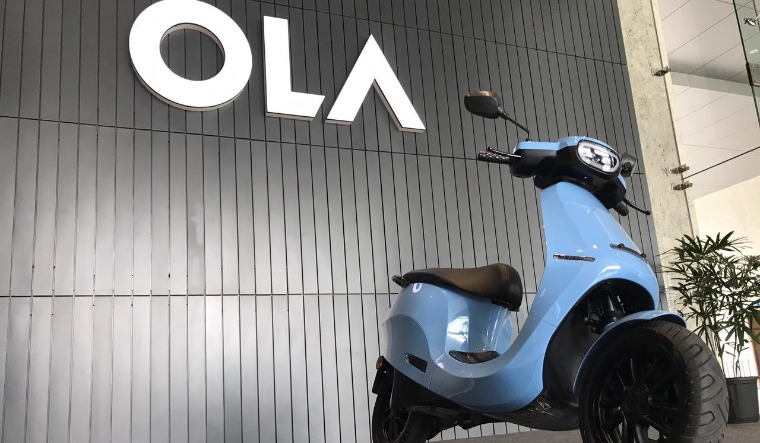
Ola Electric Bike Good and Bad Reviews 2024
Ola Electric Bike Good and Bad Reviews 2024, As the world pivots towards sustainable and eco-friendly transportation, Ola Electric Bikes have emerged as a notable contender in the electric vehicle market. With advancements in technology and a growing emphasis on reducing carbon footprints, these bikes promise a greener alternative to conventional fuel-powered motorcycles. However, like any product, they come with their own set of strengths and weaknesses. In this article, we delve into the good and bad reviews of the Ola Electric Bike in 2024, providing a comprehensive overview for potential buyers and enthusiasts.
Read More: Why Sukhoi-30 MKI is the Backbone of the IAF
Overview of Ola Electric Bike
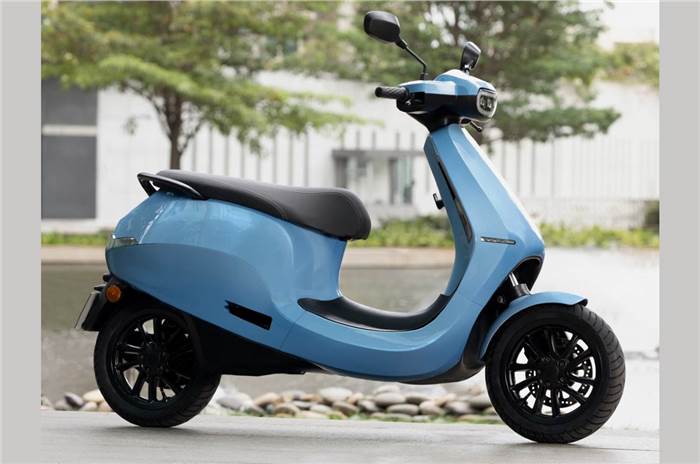
Ola Electric, a subsidiary of the well-known ride-hailing company Ola, launched its electric bikes with the aim of revolutionizing the way people commute. The 2024 model boasts cutting-edge features, an attractive design, and a promise of zero emissions. The key specifications include a high-capacity lithium-ion battery, impressive range, and a suite of smart features integrated through a mobile app.
The Good Reviews
1. Environmentally Friendly
One of the most highlighted aspects of the Ola Electric Bike is its environmental impact. Users have praised its zero-emission technology, which significantly reduces the carbon footprint compared to traditional bikes. This feature not only aligns with global sustainability goals but also appeals to eco-conscious consumers.
2. Cost Efficiency
Owners of the Ola Electric Bike appreciate the low operating costs. With rising fuel prices, the electric bike offers a cost-effective alternative. Charging the bike is substantially cheaper than refueling a gasoline vehicle, and the maintenance costs are minimal due to fewer moving parts and no need for oil changes.
3. Advanced Technology and Features
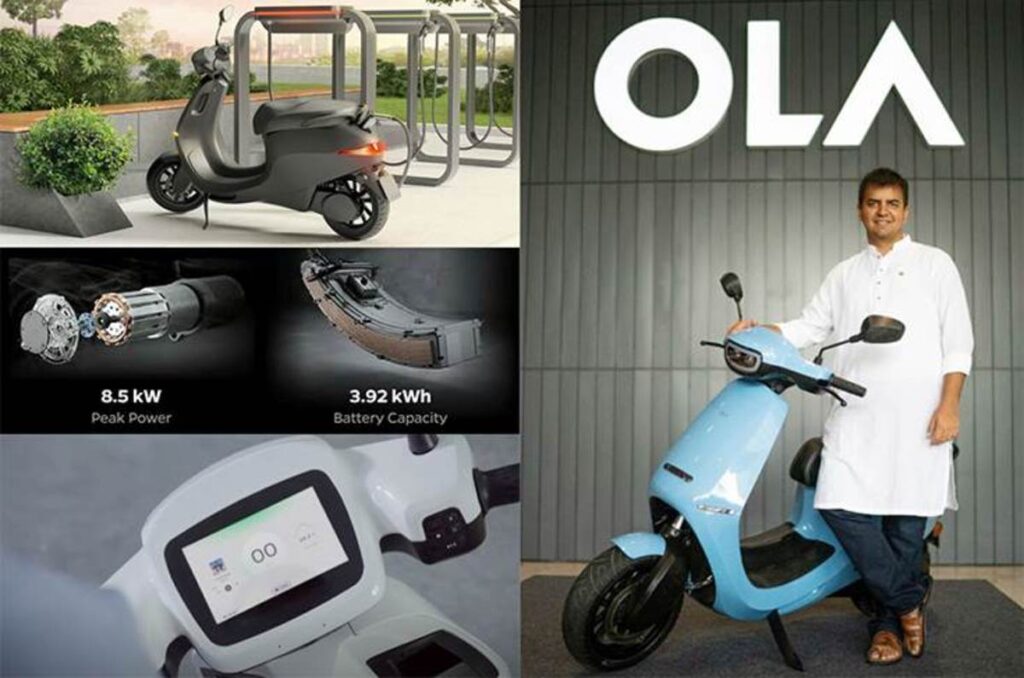
The 2024 model comes equipped with state-of-the-art technology. The bike’s smart dashboard integrates seamlessly with the Ola Electric app, providing real-time data on battery status, range, and maintenance alerts. Additionally, features like GPS navigation, anti-theft systems, and remote diagnostics have garnered positive feedback for enhancing the user experience.
4. Impressive Performance
Performance-wise, the Ola Electric Bike does not disappoint. Reviews commend its quick acceleration and smooth handling. The bike’s electric motor provides instant torque, making it ideal for city commuting and navigating through traffic. The regenerative braking system also contributes to an extended range and improved efficiency.
5. Comfortable and Stylish Design
Aesthetic appeal and comfort are crucial factors for any vehicle, and the Ola Electric Bike scores well in these areas. The sleek, modern design coupled with ergonomic seating ensures a comfortable ride. Users have noted that the bike’s lightweight frame and balanced weight distribution make it easy to maneuver.
The Bad Reviews

1. Limited Charging Infrastructure
Despite the numerous advantages, one of the primary drawbacks highlighted by users is the limited charging infrastructure. While urban areas may have ample charging stations, rural regions often lack sufficient facilities, causing inconvenience for long-distance travelers.
2. Battery Range Concerns
Although the bike offers a decent range on a full charge, some users have expressed concerns about the battery’s longevity, especially under heavy usage conditions. The range can significantly drop in scenarios involving high speeds or hilly terrains, which can be a limitation for some riders.
3. High Initial Cost
The initial purchase price of the Ola Electric Bike is relatively high compared to conventional bikes. While the long-term savings on fuel and maintenance can offset this cost, the upfront investment may be a deterrent for budget-conscious buyers.
4. Long Charging Time
Another point of contention is the charging time. Fully charging the bike can take several hours, which might not be feasible for users with busy schedules. Fast-charging options are limited and can be an additional expense, further complicating the charging issue.
5. Service and Support Challenges
Customer service and support have received mixed reviews. Some users have reported delays in service and difficulties in getting timely assistance. Given that the technology is relatively new, finding specialized service centers can also be challenging in certain regions.
User Testimonials
Positive Experiences
Sarah T., a tech enthusiast, shares, “The Ola Electric Bike has transformed my daily commute. It’s not just environmentally friendly but also packed with features that make my rides enjoyable and efficient. I love the seamless integration with the app, which keeps me updated on my bike’s performance.”
Rajiv M., a city commuter, adds, “Switching to the Ola Electric Bike has been a great decision. The cost savings on fuel are significant, and the performance is impressive. It’s perfect for navigating through city traffic.”
Negative Experiences
On the flip side, Ananya P. mentions, “While I appreciate the eco-friendly aspect, the lack of charging stations in my area is a major issue. Planning long trips requires a lot of preparation, and the charging time can be a hassle.”
Vikram K., another user, states, “The initial cost was a bit steep for me, and I’ve faced some challenges with customer support. Although the bike performs well, these factors are something to consider.”
Conclusion
The Ola Electric Bike in 2024 has certainly made waves in the electric vehicle market with its advanced features, environmental benefits, and performance capabilities. However, it is not without its drawbacks, including limited charging infrastructure, battery range concerns, and high initial costs. Prospective buyers should weigh these factors based on their personal needs and circumstances. Overall, the Ola Electric Bike presents a promising alternative for those looking to make a shift towards sustainable transportation.
Ola Electric Bike FAQ
1. What is the range of the Ola Electric Bike on a full charge?
The range of the Ola Electric Bike on a full charge varies depending on the model and riding conditions. Typically, it can travel between 70 to 150 kilometers on a single charge. However, factors such as riding speed, terrain, and rider weight can influence the actual range.
2. How long does it take to fully charge the Ola Electric Bike?
Charging the Ola Electric Bike from 0% to 100% typically takes between 4 to 6 hours using a standard home charger. Fast-charging options, where available, can reduce this time significantly, allowing for a full charge in approximately 1 to 2 hours.
3. What are the main features of the Ola Electric Bike?
The Ola Electric Bike boasts several advanced features, including:
- A high-capacity lithium-ion battery
- Smart dashboard integrated with the Ola Electric app
- GPS navigation
- Anti-theft system
- Remote diagnostics
- Regenerative braking system
- Sleek and ergonomic design for comfort and style
4. Is the Ola Electric Bike suitable for long-distance travel?
While the Ola Electric Bike is excellent for city commuting and short to medium distances, long-distance travel can be challenging due to the current limitations in charging infrastructure and battery range. Planning ahead and ensuring access to charging stations is essential for longer trips.
5. What are the environmental benefits of using the Ola Electric Bike?
The Ola Electric Bike is environmentally friendly, producing zero emissions during operation. By using electric power instead of fossil fuels, it helps reduce air pollution and greenhouse gas emissions, contributing to a cleaner and more sustainable environment.
6. Are there any maintenance benefits to owning an Ola Electric Bike?
Yes, the Ola Electric Bike has several maintenance benefits compared to traditional gasoline-powered bikes. It has fewer moving parts, no need for oil changes, and generally lower wear and tear, resulting in lower maintenance costs and fewer service requirements.
7. What are the common drawbacks mentioned by users of the Ola Electric Bike?
Some common drawbacks mentioned by users include:
- Limited charging infrastructure, especially in rural areas
- Concerns about battery range under heavy usage
- High initial purchase cost
- Long charging times
- Challenges with customer service and support in certain regions
8. How does the Ola Electric Bike perform in terms of acceleration and handling?
The Ola Electric Bike performs exceptionally well in terms of acceleration and handling. The electric motor provides instant torque, making it quick off the line and ideal for navigating through city traffic. Users have praised its smooth handling and comfortable ride.
9. What is the initial cost of the Ola Electric Bike?
The initial cost of the Ola Electric Bike can be relatively high compared to conventional bikes. Prices vary depending on the model and features, but they generally range from $1,000 to $2,500. However, the long-term savings on fuel and maintenance can offset this initial investment.
10. What should I consider before buying an Ola Electric Bike?
Before buying an Ola Electric Bike, consider the following:
- Availability of charging infrastructure in your area
- Your typical riding distance and battery range requirements
- Initial purchase cost and potential long-term savings
- The specific features and specifications of the model you’re interested in
- Access to reliable customer service and support