
Bridge Marketing 2024, In the ever-evolving landscape of digital marketing, Bridge Marketing is emerging as a pivotal strategy in 2024. This comprehensive guide delves into the nuances of Bridge Marketing, outlining its significance, strategies, and implementation methods to help businesses connect with their target audiences more effectively.
Read More: NASA to Train Indian Astronauts for Groundbreaking Joint ISS Mission: Insights from Garcetti 2024
Understanding Bridge Marketing

Bridge Marketing is the strategic process of creating a seamless connection between a brand and its potential customers through various marketing channels. This technique involves leveraging transitional moments in the customer journey, ensuring that the brand remains top-of-mind as consumers move from one stage to the next.
Why Bridge Marketing Matters in 2024
The digital marketplace is more saturated than ever, making it crucial for brands to stand out. Bridge Marketing offers a solution by ensuring continuous engagement and reducing drop-off rates. By strategically placing your brand at key transition points, you can guide consumers smoothly from awareness to conversion, enhancing both customer experience and retention.
Key Components of Bridge Marketing

1. Multi-Channel Integration
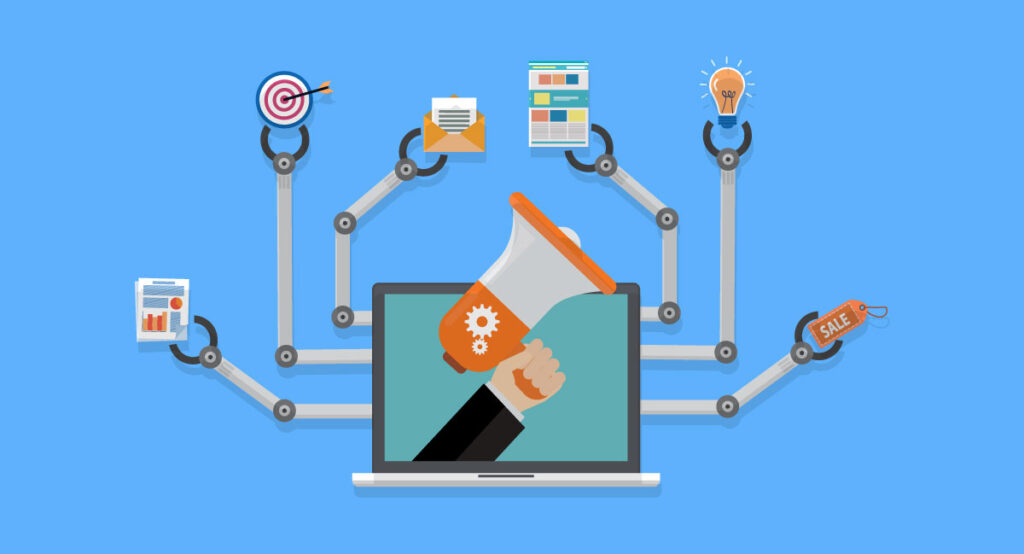
Successful Bridge Marketing relies on the integration of multiple marketing channels. These channels include:
- Social Media: Platforms like Facebook, Instagram, LinkedIn, and Twitter offer vast opportunities for engagement.
- Email Marketing: Personalized email campaigns can nurture leads and keep your audience informed.
- Content Marketing: Blogs, videos, and infographics provide valuable information and keep your audience engaged.
- Search Engine Marketing (SEM): Paid search ads ensure your brand appears when consumers are actively looking for related products or services.
- Influencer Marketing: Collaborations with influencers can extend your reach to a broader audience.
2. Customer Journey Mapping
Understanding the customer journey is critical in Bridge Marketing. Mapping out each stage—from awareness to consideration, purchase, and post-purchase—allows you to identify key touchpoints where your brand can bridge gaps and maintain engagement.
3. Personalization
Consumers in 2024 expect personalized experiences. Use data-driven insights to tailor your marketing messages to individual preferences and behaviors. Personalization can significantly enhance the effectiveness of your Bridge Marketing efforts, making consumers feel valued and understood.
4. Consistent Messaging
Consistency is key in Bridge Marketing. Ensure that your messaging remains uniform across all channels. This consistency builds trust and reinforces your brand identity, making it easier for consumers to recognize and remember your brand during their journey.
Effective Strategies for Bridge Marketing in 2024
1. Leveraging Data and Analytics
Data is the backbone of successful Bridge Marketing. Utilize analytics tools to track customer behavior and preferences. This data can help you predict future actions and strategically place your marketing efforts to guide consumers seamlessly through their journey.
2. Omnichannel Marketing Approach
An omnichannel approach ensures that your brand provides a cohesive experience across all platforms. Whether a customer interacts with your brand on social media, through email, or via your website, the experience should be seamless and interconnected.
3. Dynamic Content Creation
Dynamic content changes based on user interactions and preferences. Implementing dynamic content strategies can help keep your audience engaged by delivering relevant and timely information tailored to their needs and interests.
4. Automation Tools
Marketing automation tools can streamline your Bridge Marketing efforts. Tools like HubSpot, Marketo, and Mailchimp can automate repetitive tasks, allowing you to focus on strategic planning and execution.
5. Real-Time Engagement
Engage with your audience in real-time through live chats, social media interactions, and personalized emails. Real-time engagement helps in addressing customer queries instantly and keeps the conversation going, ensuring that your brand remains relevant throughout their journey.
Implementing Bridge Marketing: Step-by-Step Guide
Step 1: Define Your Objectives
Start by clearly defining your Bridge Marketing objectives. Whether it’s increasing brand awareness, boosting conversions, or enhancing customer loyalty, having clear goals will guide your strategy.
Step 2: Identify Key Touchpoints
Map out the customer journey and identify key touchpoints where you can engage with your audience. Focus on transitional moments where your brand can make a significant impact.
Step 3: Develop a Multi-Channel Strategy
Create a comprehensive strategy that integrates various marketing channels. Ensure that your messaging is consistent across all platforms to maintain a cohesive brand experience.
Step 4: Personalize Your Approach
Utilize customer data to personalize your marketing efforts. Tailor your messages to meet the specific needs and preferences of your audience, making your interactions more relevant and effective.
Step 5: Implement Automation
Leverage marketing automation tools to streamline your efforts. Automate repetitive tasks and use tools to track customer interactions, providing valuable insights for future campaigns.
Step 6: Monitor and Optimize
Regularly monitor the performance of your Bridge Marketing campaigns. Use analytics to track key metrics and make data-driven adjustments to optimize your strategy.
The Future of Bridge Marketing
As technology continues to advance, the future of Bridge Marketing looks promising. Innovations in artificial intelligence (AI) and machine learning are set to revolutionize how brands connect with their audiences. AI can enhance personalization, predict customer behavior, and provide deeper insights, making Bridge Marketing more effective and efficient.
Embracing Emerging Technologies
To stay ahead in 2024 and beyond, brands must embrace emerging technologies. From AI-powered chatbots to advanced data analytics, these tools can provide a competitive edge and ensure that your Bridge Marketing efforts are cutting-edge.
Focus on Customer Experience
Customer experience will remain at the core of Bridge Marketing. Brands that prioritize a seamless and engaging customer journey will stand out in the crowded digital landscape. Focus on delivering value at every touchpoint and maintaining a consistent brand presence.
Advanced Techniques in Bridge Marketing
To further enhance your Bridge Marketing strategy, consider implementing the following advanced techniques. These methods are designed to provide deeper engagement, foster stronger relationships with your audience, and drive superior results.
1. Behavioral Targeting
Behavioral targeting involves using data on users’ past behavior to deliver relevant messages at the right time. This technique helps in identifying user patterns and predicting future actions, allowing for more precise and effective marketing efforts.
- Segmenting Audiences: Break down your audience into segments based on their behaviors, such as browsing history, past purchases, and interaction frequency.
- Customized Content: Deliver personalized content that aligns with each segment’s specific interests and needs.
- Trigger-Based Campaigns: Implement automated campaigns that are triggered by specific user actions, ensuring timely and relevant communication.
2. Content Retargeting
Content retargeting involves re-engaging users who have previously interacted with your content but did not complete a desired action, such as making a purchase or filling out a form.
- Retargeting Pixels: Use tracking pixels to monitor user activity on your website and social media channels.
- Dynamic Ads: Create dynamic ads that showcase products or content the user has shown interest in, encouraging them to return and complete the action.
- Email Retargeting: Send follow-up emails to users who have abandoned shopping carts or left the website without converting, offering incentives to encourage completion.
3. Cross-Channel Campaigns
Cross-channel campaigns ensure that your marketing messages are consistent and synchronized across various platforms, creating a unified experience for your audience.
- Unified Messaging: Develop a core message that resonates across all channels, from social media to email to your website.
- Coordinated Timing: Schedule your campaigns to ensure that messages on different platforms support and reinforce each other.
- Integrated Analytics: Use integrated analytics tools to track performance across all channels, providing a comprehensive view of your campaign’s effectiveness.
4. Social Proof and User-Generated Content
Leveraging social proof and user-generated content can significantly enhance your Bridge Marketing efforts by building trust and credibility with your audience.
- Testimonials and Reviews: Highlight positive testimonials and reviews from satisfied customers on your website and social media.
- User-Generated Content: Encourage customers to share their experiences with your brand through photos, videos, and posts, and feature this content in your marketing campaigns.
- Influencer Partnerships: Collaborate with influencers to create authentic content that resonates with their followers and amplifies your brand’s reach.
5. Customer Feedback Loops
Establishing feedback loops allows you to continuously gather insights from your customers and refine your marketing strategies accordingly.
- Surveys and Polls: Regularly conduct surveys and polls to gather feedback on customer preferences, satisfaction, and areas for improvement.
- Social Listening: Monitor social media channels and online forums to understand customer sentiments and address any concerns promptly.
- Feedback Integration: Use the feedback collected to inform your marketing strategies, product development, and customer service initiatives.
Measuring the Success of Bridge Marketing
To ensure your Bridge Marketing efforts are delivering the desired results, it is crucial to measure and analyze key performance indicators (KPIs). Here are some essential metrics to track:
1. Conversion Rates
Measure the percentage of users who complete a desired action, such as making a purchase, signing up for a newsletter, or downloading a resource. High conversion rates indicate that your Bridge Marketing efforts are effectively guiding users through their journey.
2. Customer Retention
Track the number of repeat customers and their purchase frequency. High retention rates suggest that your brand is successfully maintaining engagement and loyalty.
3. Engagement Metrics
Analyze metrics such as click-through rates (CTR), time spent on page, and social media interactions to gauge how well your content resonates with your audience.
4. Return on Investment (ROI)
Calculate the ROI of your Bridge Marketing campaigns by comparing the revenue generated to the costs incurred. This metric helps in assessing the overall effectiveness and profitability of your marketing efforts.
5. Customer Lifetime Value (CLV)
Estimate the total revenue a customer is expected to generate over their lifetime. A higher CLV indicates that your Bridge Marketing strategies are fostering long-term relationships and maximizing customer value.
Case Studies: Successful Bridge Marketing Campaigns
Case Study 1: E-Commerce Brand
An e-commerce brand implemented a comprehensive Bridge Marketing strategy by integrating social media, email marketing, and personalized content. By using data-driven insights and automated workflows, the brand achieved a 30% increase in conversion rates and a 25% boost in customer retention.
Case Study 2: SaaS Company
A SaaS company focused on customer journey mapping and behavioral targeting to enhance its Bridge Marketing efforts. Through personalized email campaigns and dynamic content, the company saw a 20% increase in trial sign-ups and a 15% reduction in churn rates.
Case Study 3: Retail Chain
A retail chain leveraged cross-channel campaigns and user-generated content to build a strong brand presence. By encouraging customers to share their experiences and featuring this content in marketing efforts, the chain experienced a 40% increase in social media engagement and a 10% rise in sales.
Conclusion
Bridge Marketing in 2024 is about creating seamless connections between your brand and your audience. By integrating multiple channels, personalizing your approach, and leveraging data and technology, you can guide consumers smoothly through their journey and achieve your marketing objectives. Stay ahead of the curve by embracing new technologies and focusing on delivering exceptional customer experiences.
Bridge Marketing in 2024 represents a powerful strategy for connecting with consumers in a meaningful and impactful way. By focusing on multi-channel integration, personalization, and consistent messaging, brands can guide customers seamlessly through their journey, enhancing both engagement and loyalty. Embrace advanced techniques and emerging technologies to stay ahead of the competition and ensure your Bridge Marketing efforts deliver exceptional results.