Artificial Intelligence Comes to Farming in India 2024
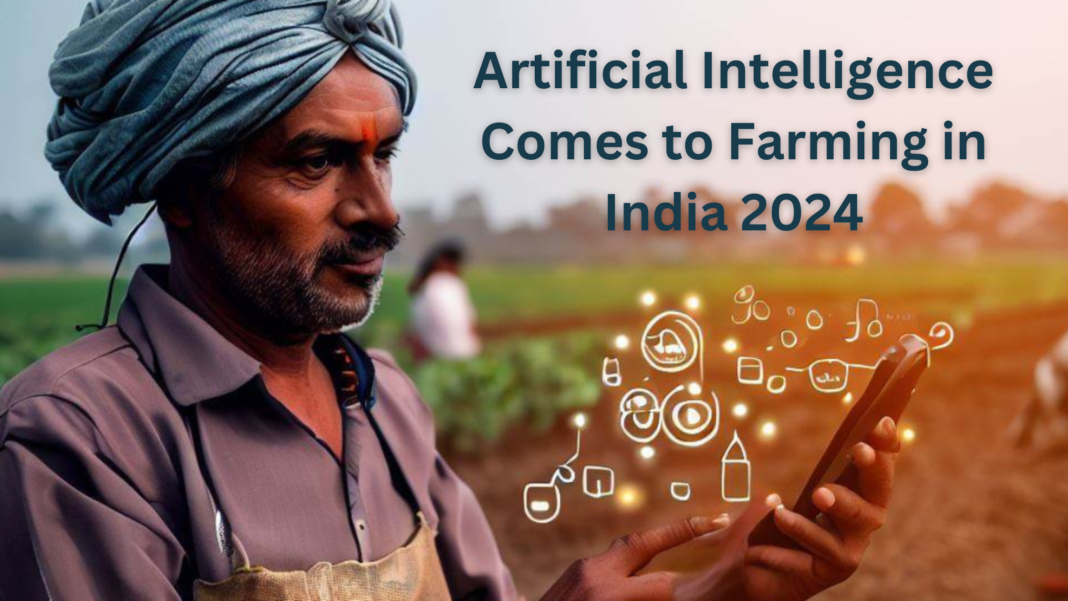
Artificial Intelligence Comes to Farming , As we step into 2024, artificial intelligence (AI) is revolutionizing various industries worldwide. In India, one of the most significant and impactful applications of AI is seen in the farming sector. The integration of AI into agriculture promises to enhance productivity, optimize resource use, and ensure food security. This article delves into the transformative journey of AI in Indian farming, exploring its benefits, applications, and future prospects.
Read More: AI-Machine Learning 2024: Unlocking the Future of Technology
The Need for AI in Indian Agriculture

India’s agricultural sector faces numerous challenges, including unpredictable weather patterns, water scarcity, pest infestations, and inefficient farming practices. These challenges hinder productivity and sustainability. To address these issues, AI technology offers innovative solutions that can significantly improve farming outcomes.
Enhancing Crop Yields
AI-powered systems can analyze vast amounts of data to provide actionable insights for farmers. By leveraging machine learning algorithms and predictive analytics, AI can forecast weather conditions, predict pest outbreaks, and recommend optimal planting and harvesting times. This level of precision farming ensures higher crop yields and reduces the risk of crop failure.
Efficient Resource Management
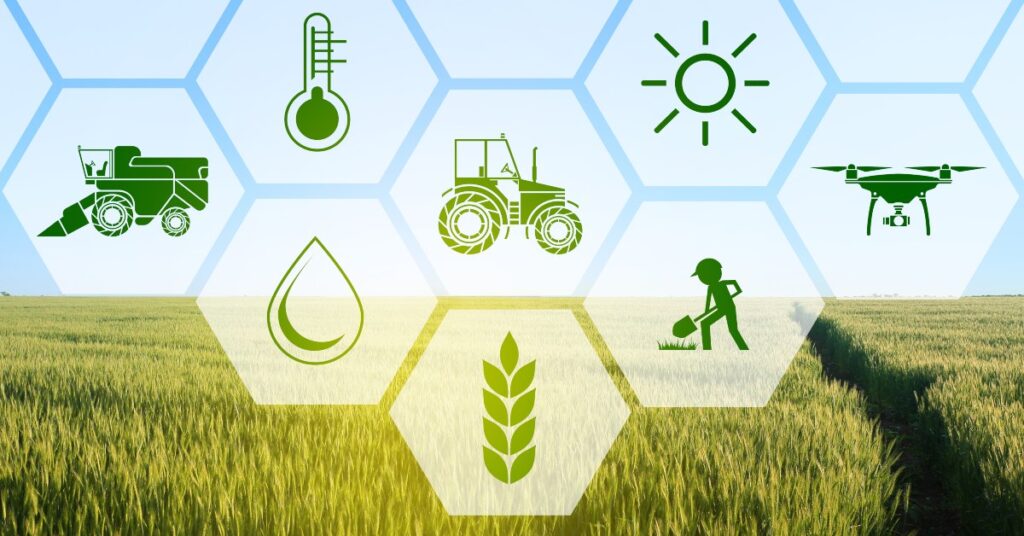
Water is a critical resource for agriculture, and its scarcity is a growing concern. AI technologies, such as IoT sensors and drones, can monitor soil moisture levels and weather conditions in real-time. This data helps in the efficient management of irrigation systems, ensuring that water is used judiciously and crops receive the necessary hydration without wastage.
Applications of AI in Indian Farming

AI’s role in agriculture is multifaceted, with applications spanning various aspects of farming operations. Here are some key areas where AI is making a significant impact:
Precision Agriculture
Precision agriculture involves the use of AI to collect and analyze data from multiple sources, including satellite imagery, sensors, and drones. This data provides farmers with detailed insights into soil health, crop growth, and pest infestations. AI algorithms can process this information to create precise maps that guide farmers in applying fertilizers, pesticides, and water exactly where needed.
Smart Irrigation Systems
Traditional irrigation methods often lead to water wastage and inconsistent crop watering. AI-powered smart irrigation systems use data from weather forecasts, soil sensors, and crop requirements to automate and optimize irrigation schedules. These systems ensure that crops receive the right amount of water at the right time, improving water use efficiency and crop health.
Pest and Disease Management
Pest infestations and plant diseases are major threats to crop health. AI can help in early detection and management of these issues. Computer vision and deep learning technologies enable AI systems to identify pests and diseases from images of plants. These systems can then recommend appropriate treatments, reducing the reliance on chemical pesticides and minimizing crop damage.
Supply Chain Optimization
AI is also transforming the agricultural supply chain. From predicting demand and optimizing inventory to managing logistics and distribution, AI technologies streamline the entire supply chain process. This ensures that farmers can get their produce to market more efficiently, reducing waste and increasing profitability.
Success Stories of AI in Indian Agriculture
Several initiatives and success stories highlight the positive impact of AI in Indian farming.
Plantix by PEAT
Plantix, an AI-based mobile app developed by the German company PEAT, has been widely adopted by Indian farmers. The app uses AI to diagnose plant diseases, pests, and nutrient deficiencies from photographs taken by farmers. It provides instant recommendations for treatment, helping farmers take timely action and improve crop health.
eKutir
eKutir is an Indian social enterprise that uses AI and data analytics to empower smallholder farmers. Their platform offers personalized advisory services on crop selection, soil health, and market trends. By leveraging AI, eKutir helps farmers make informed decisions, resulting in better yields and higher incomes.
Crofarm
Crofarm, an Indian agri-tech startup, uses AI to optimize the agricultural supply chain. Their platform connects farmers directly with retailers, using AI to predict demand and manage logistics. This reduces wastage, ensures fair prices for farmers, and provides fresh produce to consumers.
Challenges and Future Prospects

While AI holds immense potential for transforming Indian agriculture, several challenges need to be addressed for widespread adoption.
Access to Technology
Many smallholder farmers in India lack access to advanced technologies and digital infrastructure. Bridging this gap requires significant investment in rural connectivity and education to ensure that farmers can leverage AI tools effectively.
Data Privacy and Security
The use of AI in agriculture involves collecting and analyzing large amounts of data. Ensuring data privacy and security is crucial to protect farmers’ sensitive information and build trust in AI technologies.
Cost and Scalability
The initial cost of implementing AI solutions can be high, particularly for small and marginal farmers. Developing affordable and scalable AI technologies is essential to make them accessible to all farmers, regardless of their economic status.
Policy and Regulation
Government policies and regulations play a critical role in the adoption of AI in agriculture. Supportive policies, subsidies, and incentives can encourage farmers to adopt AI technologies and drive innovation in the sector.
Conclusion
The integration of artificial intelligence in Indian farming is a game-changer, offering innovative solutions to long-standing challenges. From enhancing crop yields and resource management to optimizing the supply chain, AI is transforming the agricultural landscape. As we move forward, addressing the challenges of access, affordability, and data security will be crucial to ensuring that all farmers can benefit from these advancements. The future of Indian agriculture looks promising with AI at its helm, driving sustainability, productivity, and profitability.
FAQs on Artificial Intelligence in Indian Farming
1. What is the role of artificial intelligence in Indian agriculture?
Artificial intelligence (AI) plays a crucial role in Indian agriculture by enhancing crop yields, improving resource management, and optimizing the supply chain. AI technologies analyze data to provide actionable insights, automate processes, and offer precise recommendations for farmers.
2. How does AI help in increasing crop yields?
AI increases crop yields by using machine learning algorithms and predictive analytics to forecast weather conditions, predict pest outbreaks, and recommend optimal planting and harvesting times. This precision farming approach minimizes risks and maximizes productivity.
3. What are the benefits of AI-powered smart irrigation systems?
AI-powered smart irrigation systems use data from weather forecasts, soil sensors, and crop requirements to automate and optimize irrigation schedules. These systems ensure efficient water use, reducing wastage and providing crops with the necessary hydration for optimal growth.
4. How does AI assist in pest and disease management?
AI assists in pest and disease management through computer vision and deep learning technologies. These systems can identify pests and diseases from images of plants and recommend appropriate treatments, reducing the need for chemical pesticides and minimizing crop damage.
5. What are some examples of AI applications in Indian farming?
Examples of AI applications in Indian farming include:
- Plantix by PEAT: An AI-based mobile app that diagnoses plant diseases, pests, and nutrient deficiencies from photographs taken by farmers.
- eKutir: A platform offering personalized advisory services on crop selection, soil health, and market trends using AI and data analytics.
- Crofarm: An agri-tech startup using AI to optimize the agricultural supply chain by predicting demand and managing logistics.
6. What challenges do farmers face in adopting AI technologies?
Farmers face several challenges in adopting AI technologies, including:
- Access to Technology: Many smallholder farmers lack access to advanced technologies and digital infrastructure.
- Data Privacy and Security: Ensuring the privacy and security of farmers’ data is crucial.
- Cost and Scalability: The high initial cost of implementing AI solutions can be prohibitive for small and marginal farmers.
- Policy and Regulation: Supportive government policies and incentives are necessary to encourage AI adoption.
7. How can the gap in access to AI technology be bridged for smallholder farmers?
Bridging the gap in access to AI technology for smallholder farmers requires significant investment in rural connectivity and education. Providing affordable and scalable AI solutions and training farmers to use these technologies effectively is essential.
8. What role do government policies play in the adoption of AI in agriculture?
Government policies play a critical role in the adoption of AI in agriculture. Supportive policies, subsidies, and incentives can encourage farmers to adopt AI technologies, drive innovation, and ensure widespread benefits across the agricultural sector.
9. What is the future outlook for AI in Indian farming?
The future outlook for AI in Indian farming is promising. As challenges related to access, affordability, and data security are addressed, AI is expected to drive significant improvements in sustainability, productivity, and profitability in the agricultural sector. AI will continue to transform farming practices, ensuring food security and better livelihoods for farmers.