
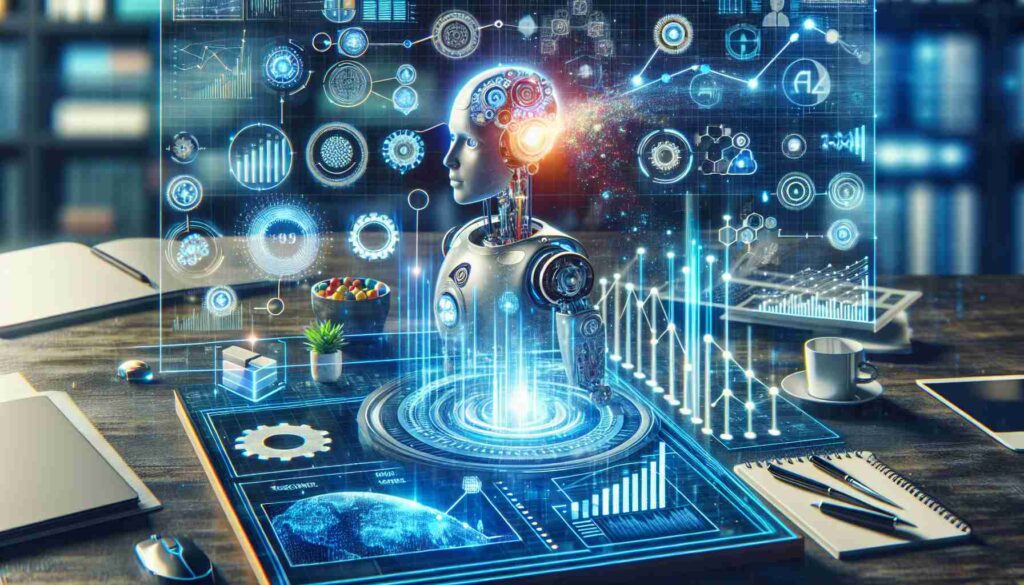
AI-Machine Learning 2024, In the rapidly evolving landscape of technology, Artificial Intelligence (AI) and Machine Learning (ML) have emerged as transformative forces shaping industries across the globe. As we delve into AI-Machine Learning 2024, it’s crucial to understand the significant strides and innovative trends that are revolutionizing how businesses operate, individuals interact, and society progresses.
In this dynamic era, Artificial Intelligence (AI) and Machine Learning (ML) have transcended mere buzzwords to become the driving forces behind groundbreaking advancements across industries. As we embark on a journey into the realm of AI-Machine Learning in 2024, we delve into a world where intelligence meets ingenuity, reshaping how we perceive and interact with technology on a fundamental level. Join us as we explore the latest trends, applications, and transformative potential that AI-Machine Learning holds in the year 2024 and beyond.
Read More: How eHealthcare Solutions Will Shape 2024 and Beyond
The Evolution of AI and Machine Learning
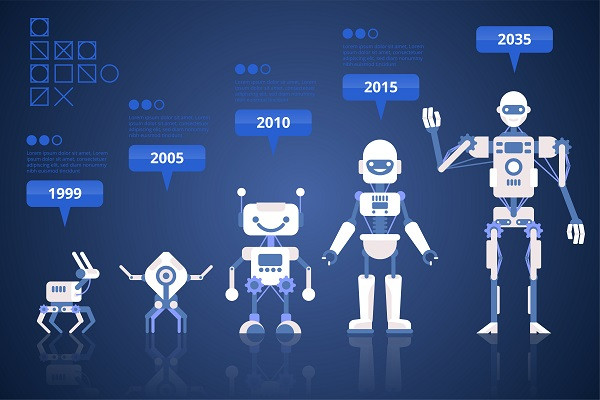
AI has evolved from a concept of science fiction to a tangible reality driving innovation in diverse sectors. The integration of Machine Learning, a subset of AI, has empowered systems to learn from data, adapt, and make intelligent decisions without explicit programming. In 2024, we witness the culmination of years of research and development, ushering in a new era of intelligent technologies.
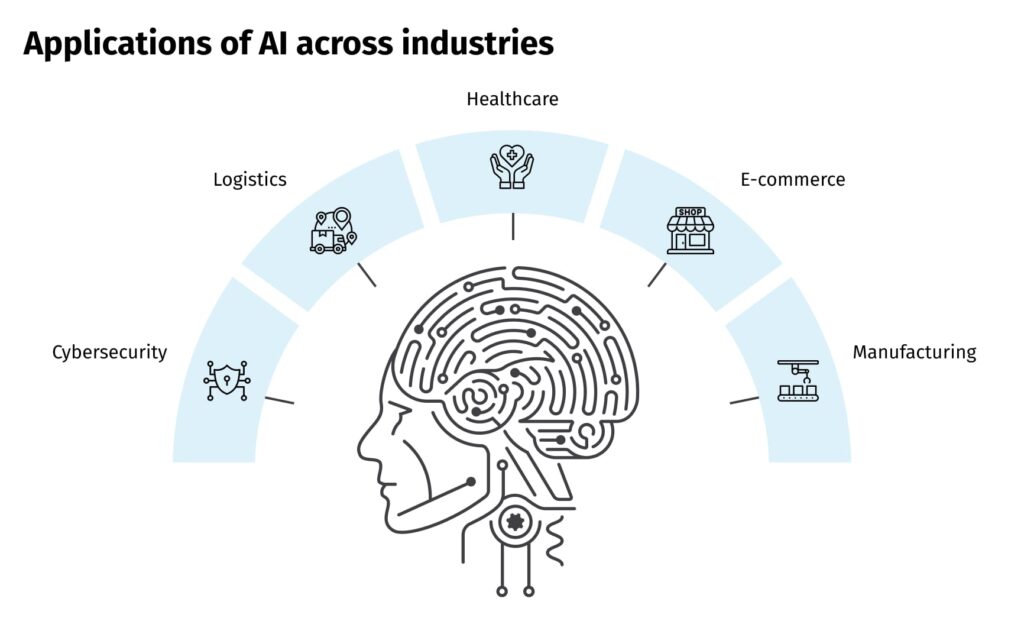
Applications Across Industries
Healthcare Revolution

In the healthcare sector, AI and Machine Learning are revolutionizing diagnostics, personalized medicine, and patient care. Advanced algorithms analyze medical data with unprecedented accuracy, aiding in early disease detection and treatment optimization. The fusion of AI with medical devices is enhancing efficiency and outcomes, paving the way for a healthier future.
Smart Cities and Infrastructure
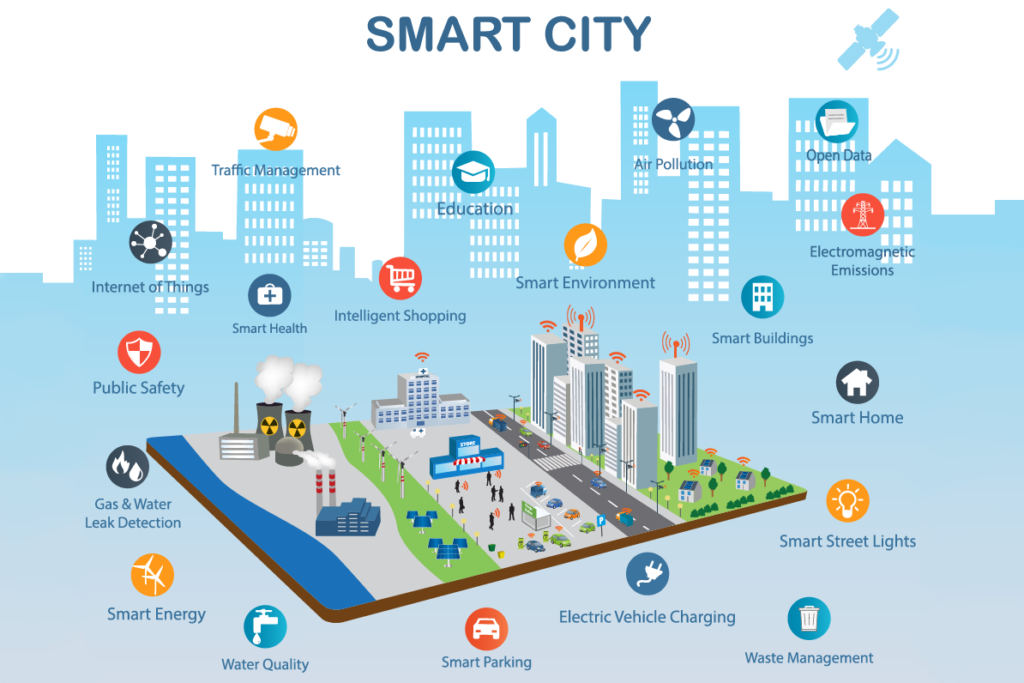
AI-Machine Learning solutions are instrumental in building smart cities and optimizing infrastructure. From traffic management to energy conservation, predictive analytics and autonomous systems are reshaping urban landscapes. By leveraging real-time data and intelligent algorithms, cities become more sustainable, secure, and efficient.
Financial Services Transformation

In the financial realm, AI and ML algorithms power fraud detection, risk assessment, and automated trading systems. These technologies enable institutions to mitigate risks, improve decision-making, and enhance customer experiences through personalized financial services.
Education and Learning Enhancements

AI-driven personalized learning platforms are redefining education by catering to individual student needs, optimizing curriculum delivery, and assessing learning outcomes. Adaptive learning systems, virtual tutors, and gamification enhance engagement and knowledge retention, shaping the future of education.
Innovations Driving AI-Machine Learning in 2024
Quantum Computing Advancements
The development of quantum computing technologies is poised to revolutionize AI and ML capabilities, unlocking unprecedented computational power and solving complex problems at unparalleled speeds. Quantum algorithms are paving the way for breakthroughs in data analysis, optimization, and simulation.
Explainable AI (XAI)
As AI systems become more integrated into critical decision-making processes, the demand for Explainable AI (XAI) rises. In 2024, emphasis on transparency, interpretability, and ethical AI frameworks is paramount, ensuring that algorithms can explain their reasoning and actions, fostering trust and accountability.
Edge Computing and AI at the Edge
The proliferation of Edge Computing architectures empowers AI applications to operate closer to data sources, reducing latency and enhancing real-time processing capabilities. From autonomous vehicles to IoT devices, AI at the edge enables efficient, decentralized decision-making in distributed environments.
Challenges and Ethical Considerations
Amidst the rapid advancements in AI and Machine Learning, ethical considerations and responsible AI deployment remain crucial. Addressing biases in algorithms, ensuring data privacy, and promoting inclusivity in AI development are ongoing priorities to harness the full potential of these technologies for societal benefit.
Conclusion: Embracing the AI-Machine Learning Revolution
AI-Machine Learning 2024 represents not just a technological evolution but a paradigm shift in how we perceive and utilize intelligent systems. By embracing innovation, fostering collaboration, and prioritizing ethical AI practices, we pave the way for a future where AI enriches lives, drives progress, and shapes a more connected world.
FAQs related to the topic of “AI-Machine Learning 2024”:
1. What is AI-Machine Learning 2024 about? AI-Machine Learning 2024 refers to the current advancements, trends, and applications of Artificial Intelligence (AI) and Machine Learning (ML) technologies in the year 2024. It encompasses the evolution of intelligent systems, their impact across various industries, and the innovative developments shaping the future of technology.
2. How has AI evolved over the years leading up to 2024? AI has evolved from theoretical concepts to practical applications, driven by advancements in algorithms, computing power, and data availability. In 2024, AI technologies have become more sophisticated, enabling systems to learn, adapt, and make intelligent decisions autonomously.
3. What are some key applications of AI and Machine Learning in 2024? In 2024, AI and ML find extensive applications across industries such as healthcare, smart cities, financial services, and education. They contribute to improving diagnostics and personalized medicine, optimizing infrastructure and energy usage in cities, enhancing fraud detection and risk assessment in finance, and revolutionizing personalized learning experiences in education.
4. What are the major innovations driving AI-Machine Learning in 2024? Some notable innovations driving AI-Machine Learning in 2024 include advancements in quantum computing, which unlock unprecedented computational power; the focus on Explainable AI (XAI) for transparency and ethical AI practices; and the integration of AI at the edge, leveraging edge computing for real-time processing in distributed environments.
5. What are the challenges and ethical considerations associated with AI-Machine Learning in 2024? Despite the benefits, AI-Machine Learning technologies face challenges such as biases in algorithms, data privacy concerns, and the need for ethical AI deployment. Addressing these challenges is crucial to ensure responsible AI development and maximize the societal benefits of these technologies.
6. How can individuals and businesses benefit from embracing AI-Machine Learning in 2024? Embracing AI-Machine Learning in 2024 can lead to enhanced efficiency, improved decision-making, personalized experiences for customers, and advancements in various sectors like healthcare, finance, and education. It enables individuals and businesses to leverage intelligent technologies for innovation, growth, and positive societal impact.