Breaking Bad Habits in 2024 , we understand the challenges individuals face when trying to overcome ingrained behaviors that hinder personal growth and success. In this comprehensive article, we will delve into effective strategies and techniques to help you break free from unwanted habits and pave the way for positive change.
Read More: Removing Kidney Stones with Laser Technology A Comprehensive Guide for 2024
Understanding Bad Habits

Before we dive into the strategies, it’s crucial to grasp the nature of bad habits. Bad habits are repetitive behaviors that often provide short-term gratification but have long-term negative consequences. They can range from procrastination and unhealthy eating to smoking and excessive screen time. Understanding the psychological and physiological triggers behind these habits is key to overcoming them successfully.
Recognizing the Need for Change

The first step in breaking a bad habit is acknowledging that change is necessary. Whether it’s recognizing the impact of smoking on your health or acknowledging the time wasted due to procrastination, self-awareness is the catalyst for transformation. Take a moment to reflect on your habits and identify the ones you wish to change.
Setting Clear Goals

Goal setting is a powerful tool in habit transformation. Define clear and achievable goals related to breaking your bad habits. For example, if you want to reduce screen time, set a specific daily limit and track your progress. Setting milestones helps you stay motivated and focused on your journey to change.
Embracing Behavioral Modification Techniques
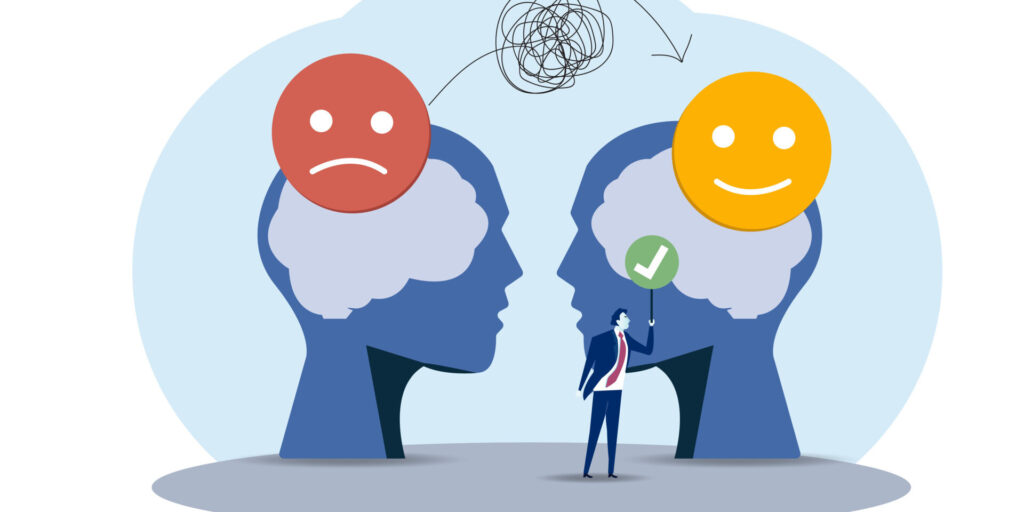
Behavioral modification techniques are instrumental in breaking bad habits. Implement strategies such as positive reinforcement, where you reward yourself for progress, or substitution, where you replace a bad habit with a healthier alternative. For instance, replace unhealthy snacks with nutritious options or designate specific times for social media use to curb excessive screen time.
Cultivating a Supportive Environment

Surrounding yourself with a supportive environment can significantly impact your success in breaking bad habits. Engage with like-minded individuals or seek professional support if needed. Accountability partners, support groups, or therapy sessions can provide valuable encouragement and guidance on your journey.
Practicing Mindfulness and Self-Care

Mindfulness practices such as meditation, yoga, or deep breathing exercises can help you develop awareness of your habits and emotions. Incorporate mindfulness into your daily routine to stay grounded and focused on your goals. Additionally, prioritize self-care activities that rejuvenate your mind and body, fostering a positive mindset conducive to habit change.
Overcoming Setbacks with Resilience
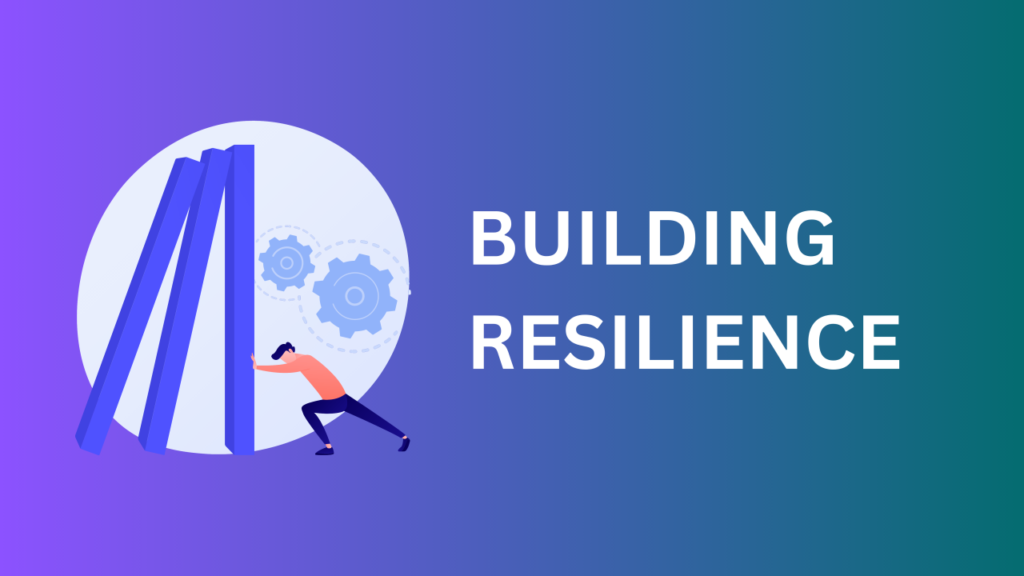
Breaking bad habits is not always a linear process, and setbacks are common. Develop resilience by viewing setbacks as learning opportunities rather than failures. Analyze what triggered the setback, adjust your strategies if needed, and recommit to your goals with renewed determination.
Celebrating Success and Staying Committed

Celebrate each milestone and success in your journey of breaking bad habits. Acknowledge your progress, no matter how small, and use it as motivation to keep moving forward. Stay committed to your goals, stay adaptable to change, and remember that every step towards positive change is a victory.
Conclusion
In conclusion, breaking bad habits requires a combination of self-awareness, goal setting, behavioral modification techniques, a supportive environment, mindfulness practices, resilience, and commitment. By implementing these strategies consistently, you can successfully overcome ingrained habits and cultivate a healthier, more fulfilling lifestyle.
Frequently Asked Questions (FAQs)
Q1: What are bad habits, and why are they difficult to break?
A1: Bad habits are repetitive behaviors that have negative impacts on our lives, such as procrastination, overeating, or smoking. They are often challenging to break because they are ingrained through repetition and may provide immediate gratification, making them difficult to resist.
Q2: How do I know if I have a bad habit that needs to be broken?
A2: Self-awareness is key to identifying bad habits. Reflect on behaviors that hinder your progress or well-being. Common signs include feeling guilty or unproductive after engaging in a behavior, noticing negative consequences, or receiving feedback from others.
Q3: What strategies can help me break bad habits effectively?
A3: Several strategies can aid in breaking bad habits:
- Goal Setting: Define clear and achievable goals related to breaking the habit.
- Behavioral Modification: Use techniques like positive reinforcement and substitution.
- Support System: Surround yourself with supportive individuals or seek professional help if needed.
- Mindfulness Practices: Incorporate mindfulness activities to increase awareness and self-control.
- Resilience: View setbacks as learning opportunities and stay committed to your goals.
Q4: How long does it take to break a bad habit?
A4: The time required to break a bad habit varies for each individual and depends on factors such as the habit’s complexity, your level of commitment, and the effectiveness of your strategies. It can range from a few weeks to several months or longer.
Q5: What should I do if I experience setbacks or relapses?
A5: Setbacks are a natural part of habit change. Instead of being discouraged, use setbacks as learning experiences. Analyze what triggered the setback, adjust your strategies if necessary, seek support from your network, and recommit to your goals with renewed determination.
Q6: Can professional help, such as therapy, assist in breaking bad habits?
A6: Yes, professional help can be beneficial in breaking bad habits, especially if they are deeply ingrained or linked to underlying psychological factors. Therapists, counselors, or behavioral coaches can provide personalized strategies, support, and accountability to help you achieve lasting change.
Q7: How can I stay motivated during the process of breaking a bad habit?
A7: Stay motivated by celebrating small victories, tracking your progress, seeking support from others, visualizing the benefits of breaking the habit, and staying focused on your long-term goals and aspirations.